20 DIY Fairy Garden Ideas
A fairy garden is a tiny world you build with your own hands: a little house, a winding path, tiny plants, and a few small surprises hiding among the leaves. Fairy gardens suit porches, patios, windowsills, and kids rooms, and they cost far less than a full garden makeover. You do not need special skills, only a container, some soil, small plants, and a little imagination. These 20 DIY fairy garden ideas cover pots, teacups, tree bases, glowing night gardens, and kid friendly builds, plus planning and cost tips, so you can start your own tiny world this weekend.
A Classic Cottage Garden in a Pot
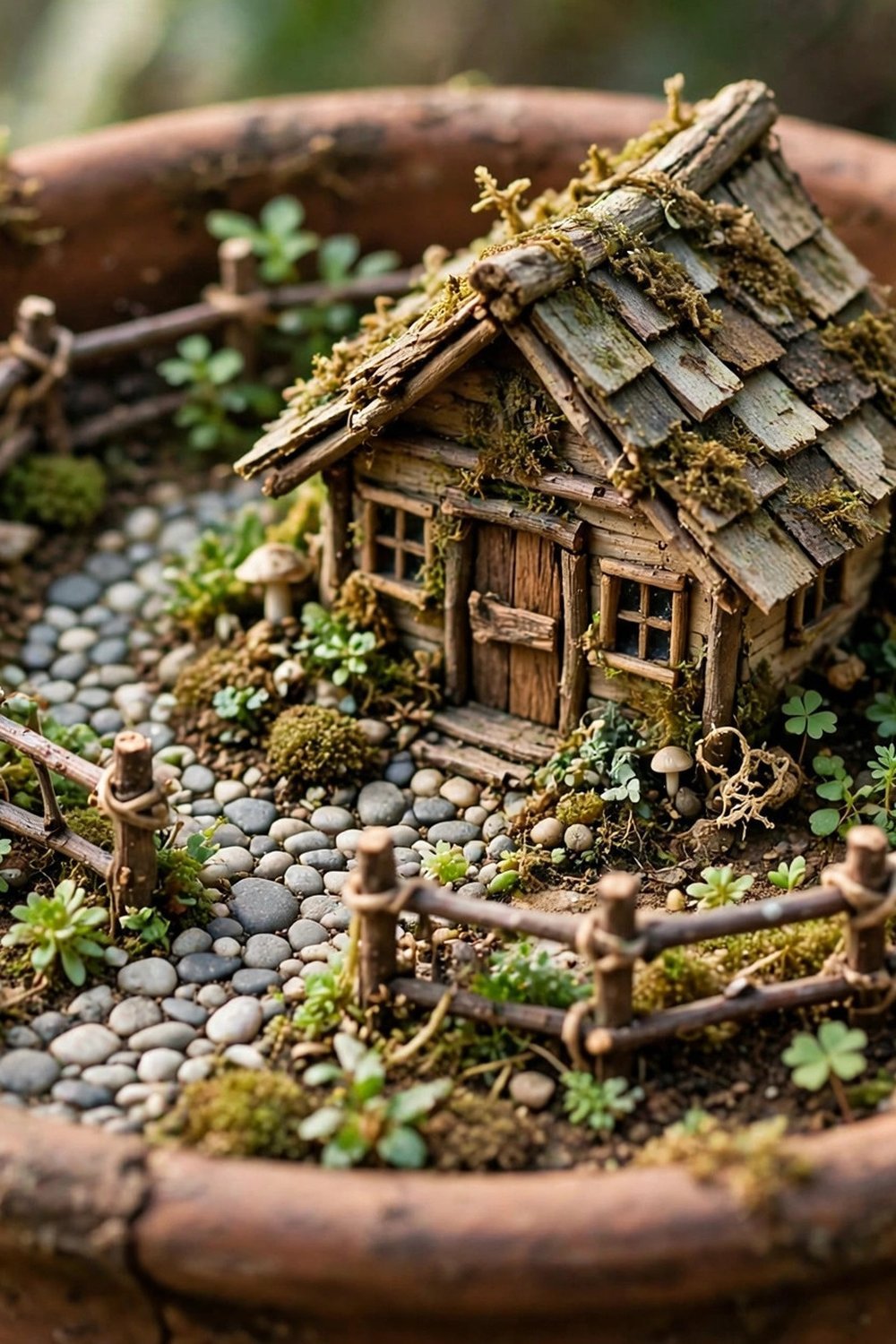
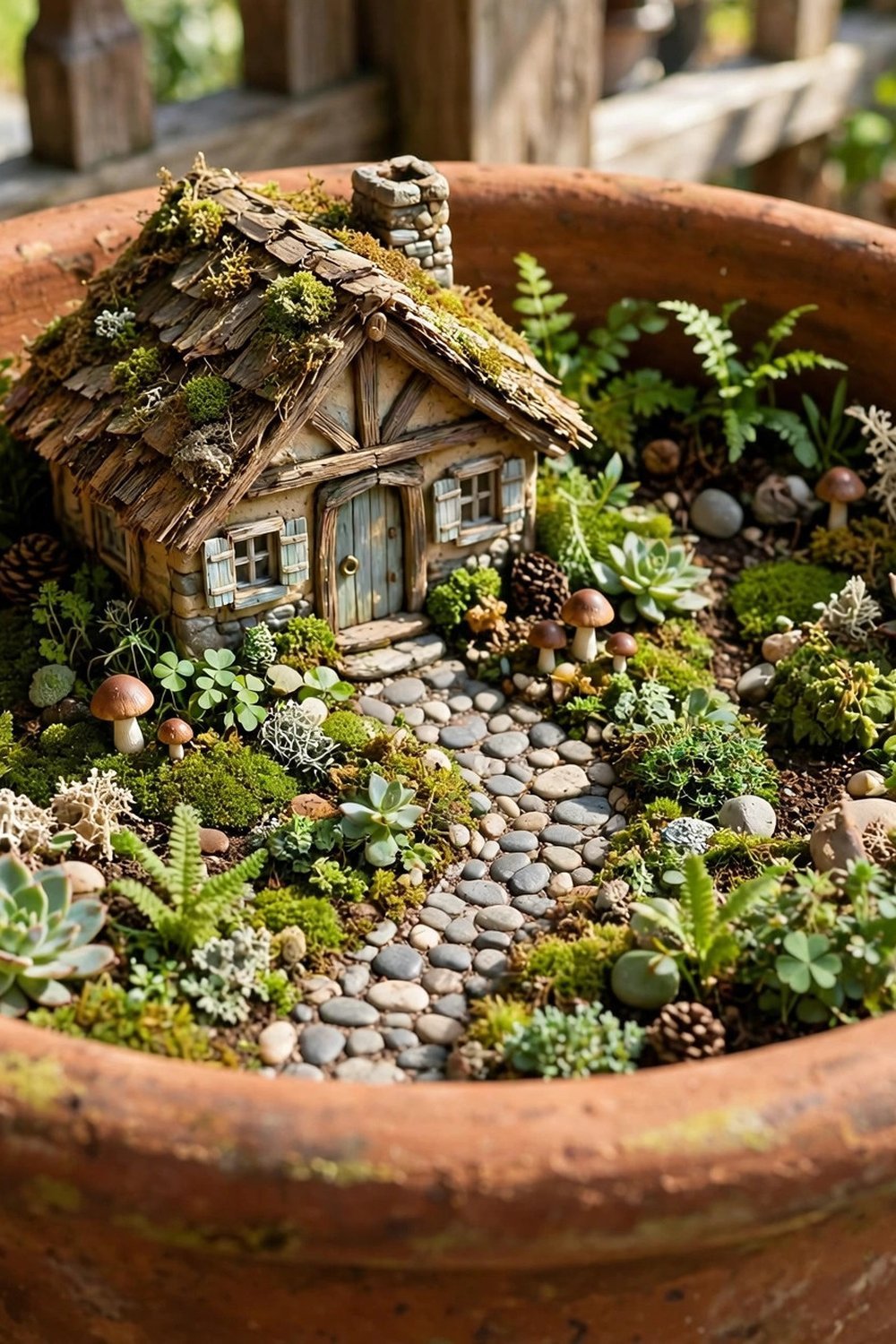
Start with a wide clay pot, good potting soil, and one small house. A cottage garden is the classic fairy garden: a tiny house with a pitched roof, a stone path to the door, and small plants around it like a real cottage yard. Add a tiny fence made from twigs, and a few pebbles for a garden wall. Keep the house near the back of the pot, so the plants and path fill the front and the scene looks deep. Water gently, since pots dry out fast in sun.
A Teacup Fairy Garden
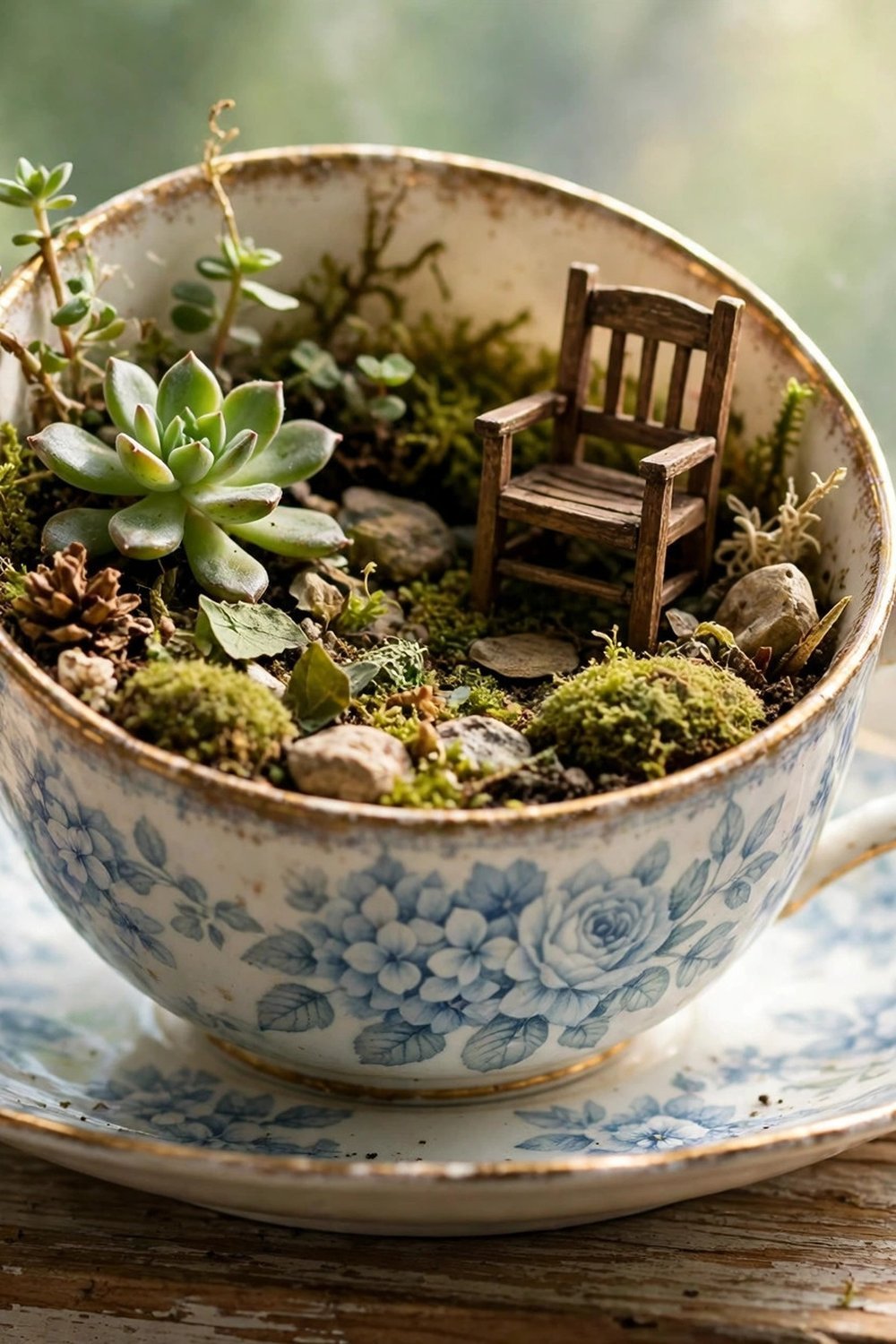
A teacup fairy garden is the smallest fairy garden you can make, and one of the prettiest. Use a large vintage teacup and saucer, fill it with soil, and plant one tiny succulent or a patch of moss. Add a miniature chair or a tiny mushroom, and let a small vine spill over the cup edge onto the saucer. Teacup gardens suit windowsills and desks, and they make lovely handmade gifts. Water with a spoon, since a teacup holds very little soil.
A Fairy Door on a Tree Trunk
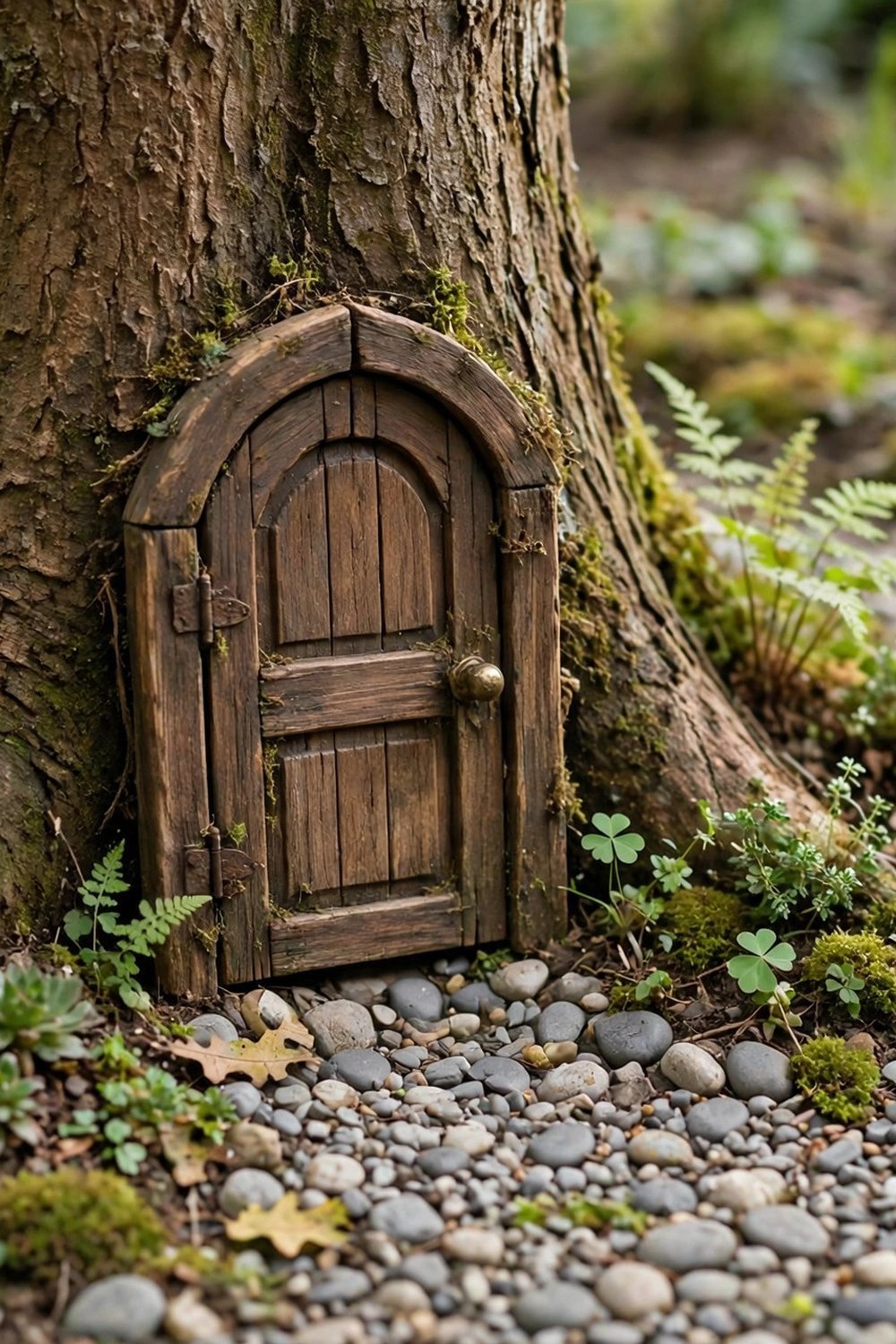
A fairy door on a tree trunk turns an ordinary yard tree into a fairy home. Buy or make a small wooden door with a tiny knob and hinges, and fix it to the trunk near the ground with weather safe glue or small screws. Add a tiny window above the door, a pebble path leading to it, and a few small plants at the base. Kids love checking the door for signs of fairies. For more handmade home projects, see these DIY home decor ideas.
A Tiny Stone Path and Bridge
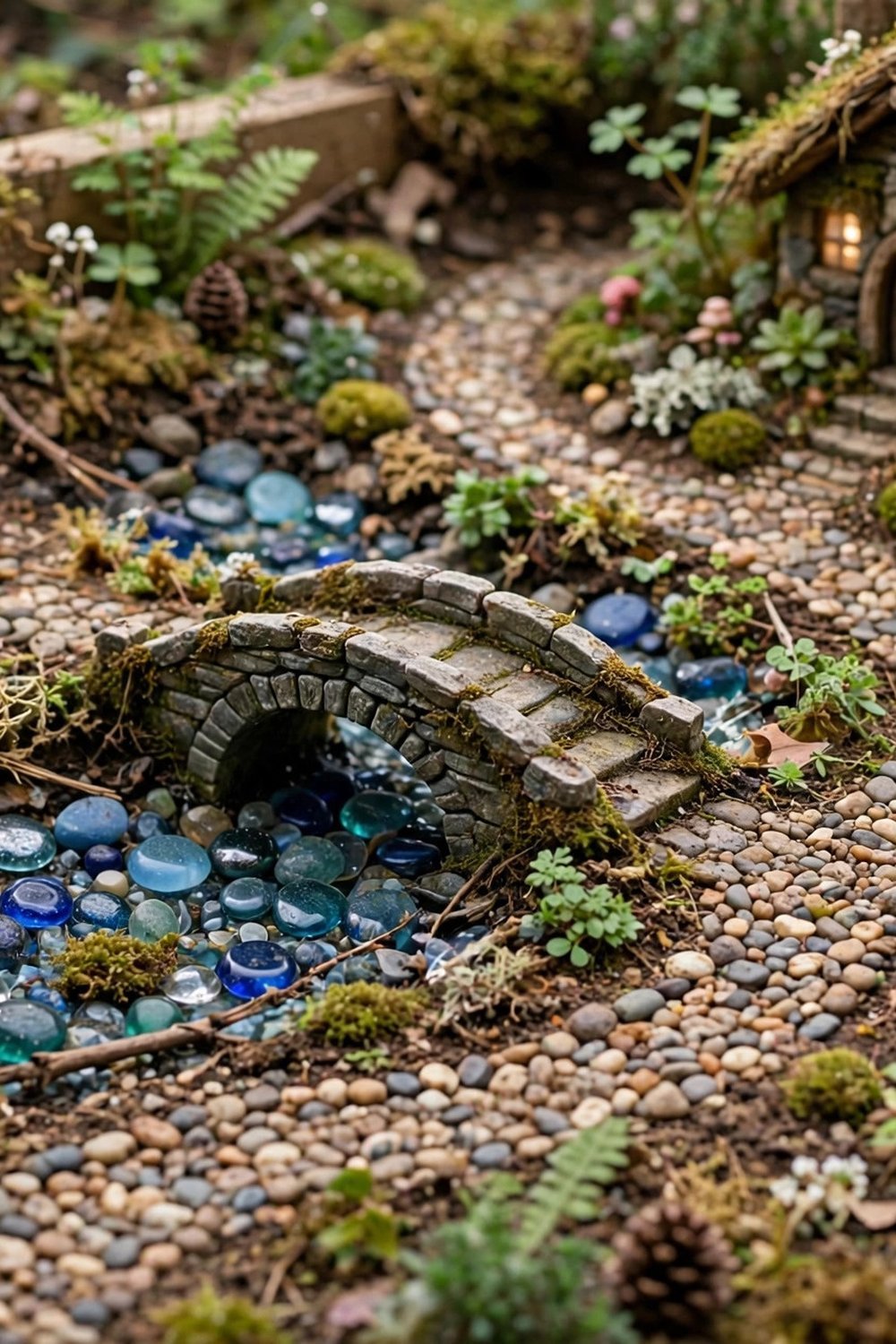
Every fairy garden needs a way in. Lay a winding path of small flat pebbles from the front of the container to the fairy house door, and add a tiny arched bridge over a dry stream bed of blue glass stones. Bridges sell in miniature garden shops, or you can bend one from twigs and string. A path and bridge make the garden feel like a real place with a story, and they guide the eye through the whole scene. Keep the path curves gentle, not straight.
A Fairy Pond From a Small Bowl
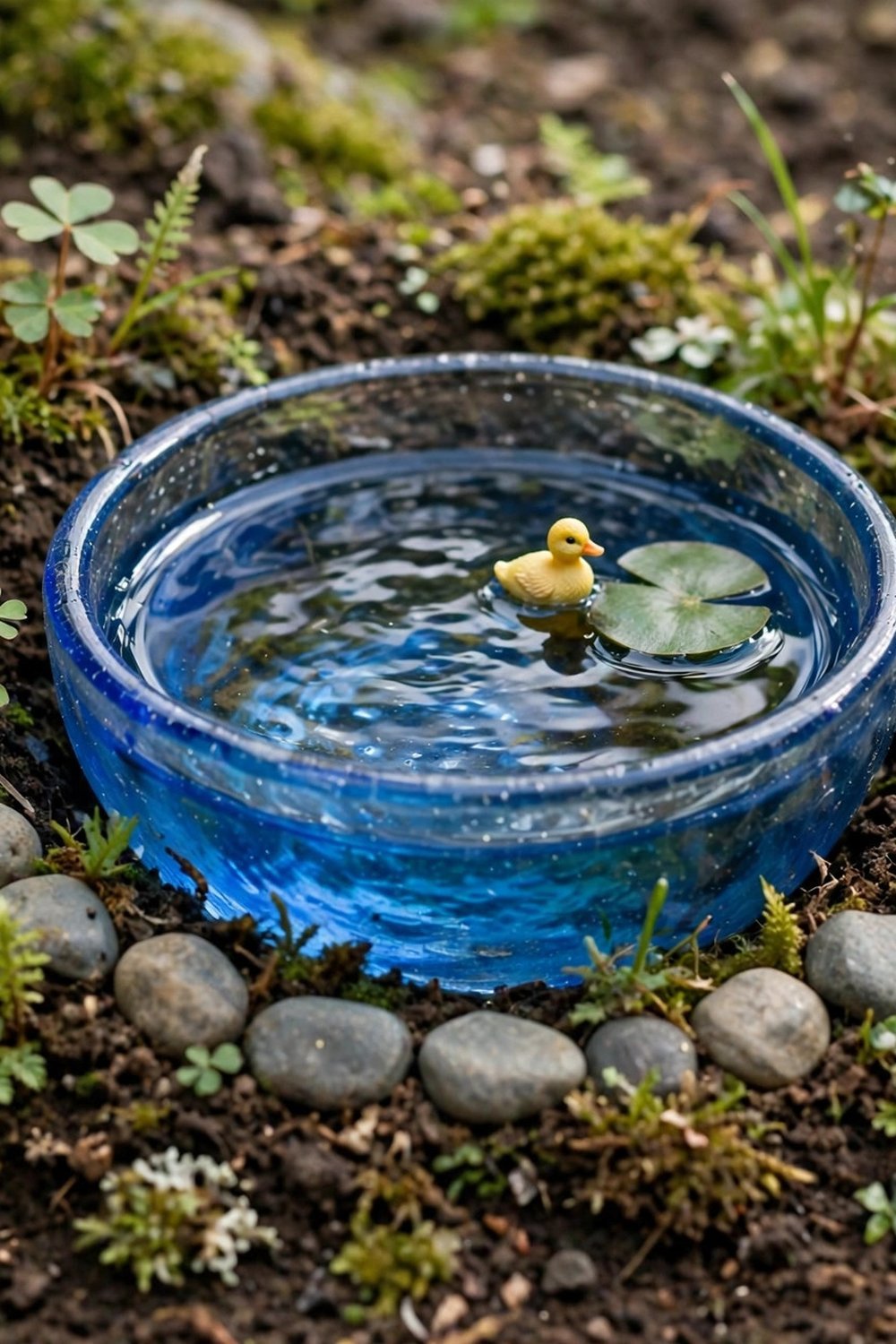
A fairy pond adds water magic to a tiny garden. Sink a small blue glass bowl into the soil so the rim sits level with the ground, fill it with water, and edge it with pebbles. Add a tiny duck, a miniature boat, or a small lily pad made from green felt. Change the water often, so it stays clear and does not breed mosquitoes. A pond suits shade gardens best, since sun evaporates a tiny pond fast.
A Wheelbarrow Fairy Garden
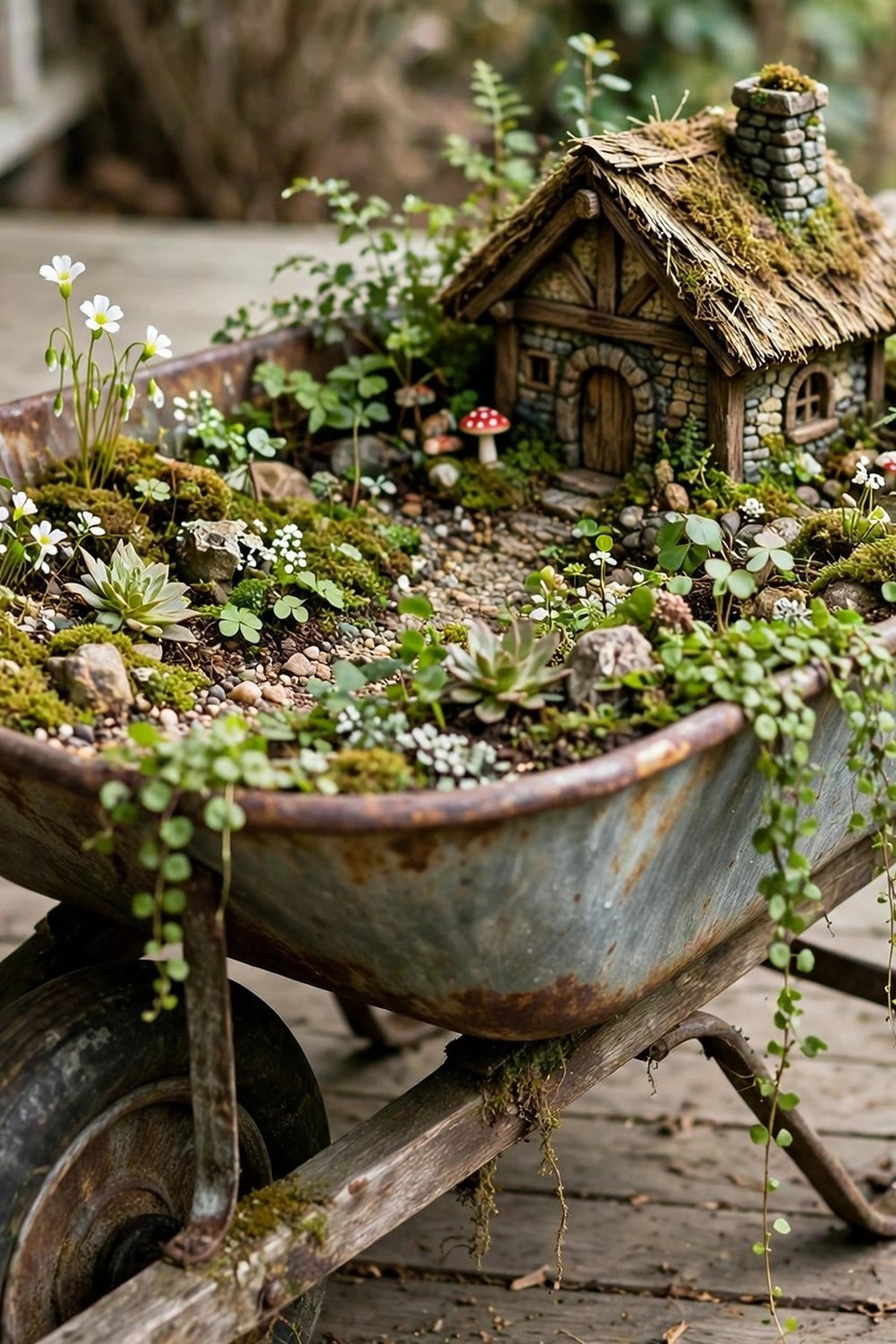
An old wheelbarrow makes a fairy garden with room to grow. Fill the wheelbarrow bed with soil, plant a tiny cottage at one end, and let creeping plants spill over the sides. The wheelbarrow moves easily, so you can roll the garden into sun or shade as seasons change. Drill drainage holes if the barrow has none, since fairy plants hate wet feet. A wheelbarrow garden becomes a talking point on any porch or patio.
A Broken Pot Fairy Garden
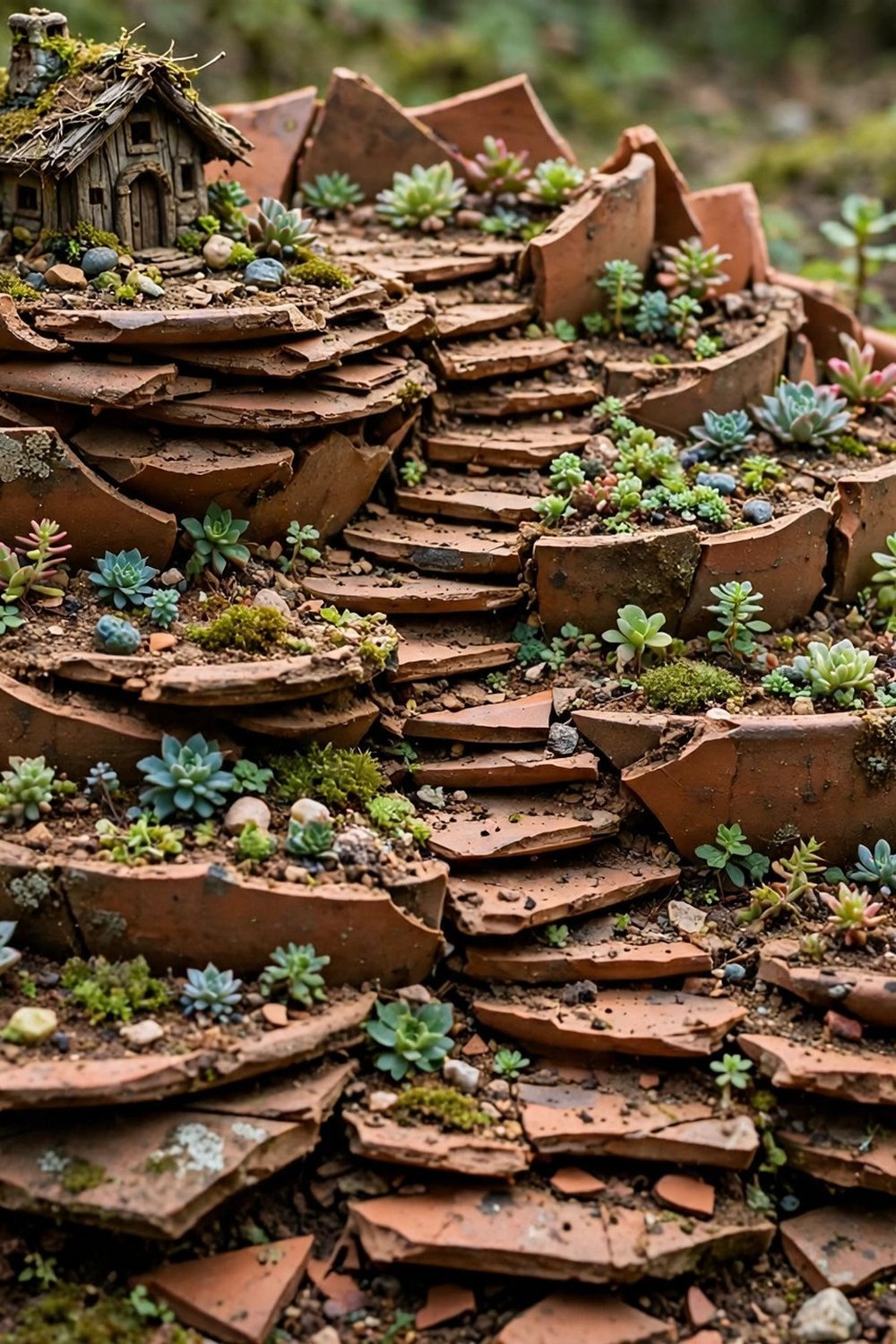
A cracked clay pot is not trash, it is a fairy garden waiting to happen. Stack the broken pieces as steps inside the pot, so the garden climbs in layers like a hillside village. Plant tiny succulents on each level, add a miniature house on top, and wind a pebble stair down the layers. Broken pot gardens look best with plants that like dry soil, since the open layers drain fast. This build costs almost nothing if the pot was already broken.
A Fairy Garden in a Birdbath
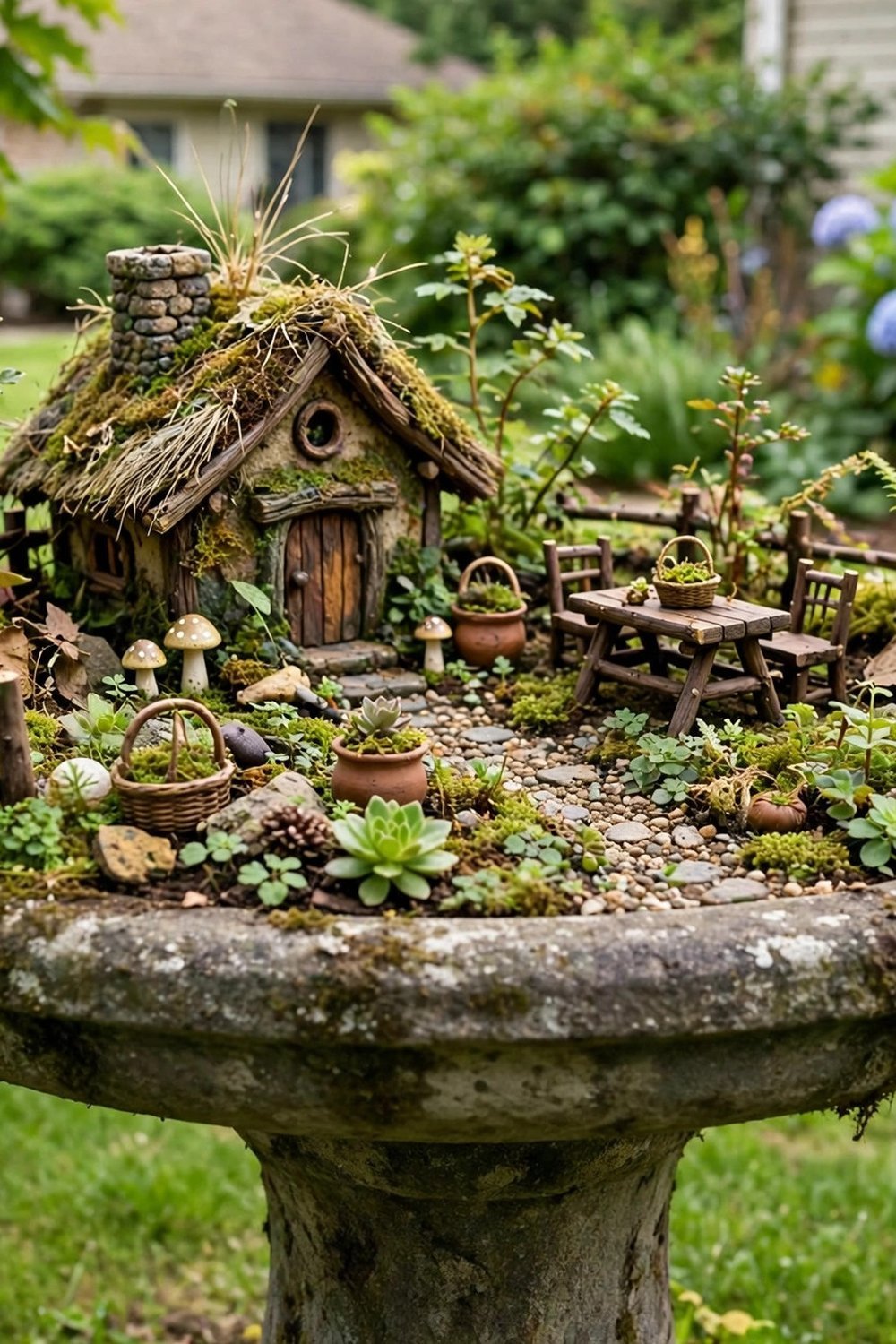
A birdbath fairy garden sits at a perfect viewing height and keeps the tiny world safe from pets. Fill the birdbath basin with soil, plant a small house and tiny ground cover, and add miniature furniture. The pedestal raises the garden to eye level, so every detail shows. Make sure the basin drains, or drill a small hole, since standing water rots fairy plants. A birdbath garden suits front yards, where visitors see it on arrival.
A Hanging Basket Fairy Garden
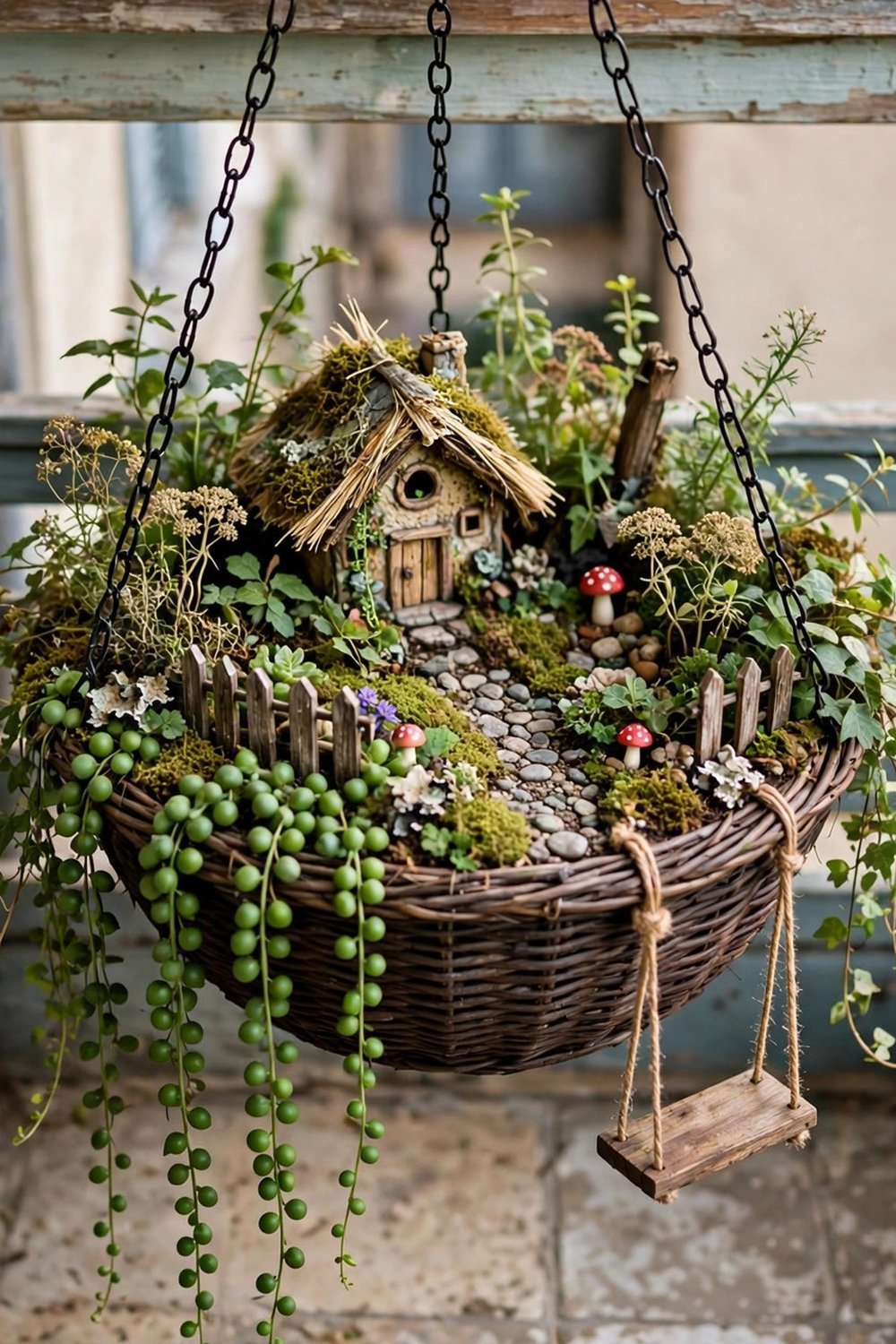
A hanging basket fairy garden floats at eye level and saves ground space. Line the basket, fill it with light soil, and plant trailing plants like creeping thyme around the edges. Hang a tiny house and a miniature swing from the basket rim, and let vines trail below. Hanging gardens dry out fast, so check the soil daily in summer. This idea suits small balconies and porches with no garden bed at all.
A Fairy Village With Tiny Houses
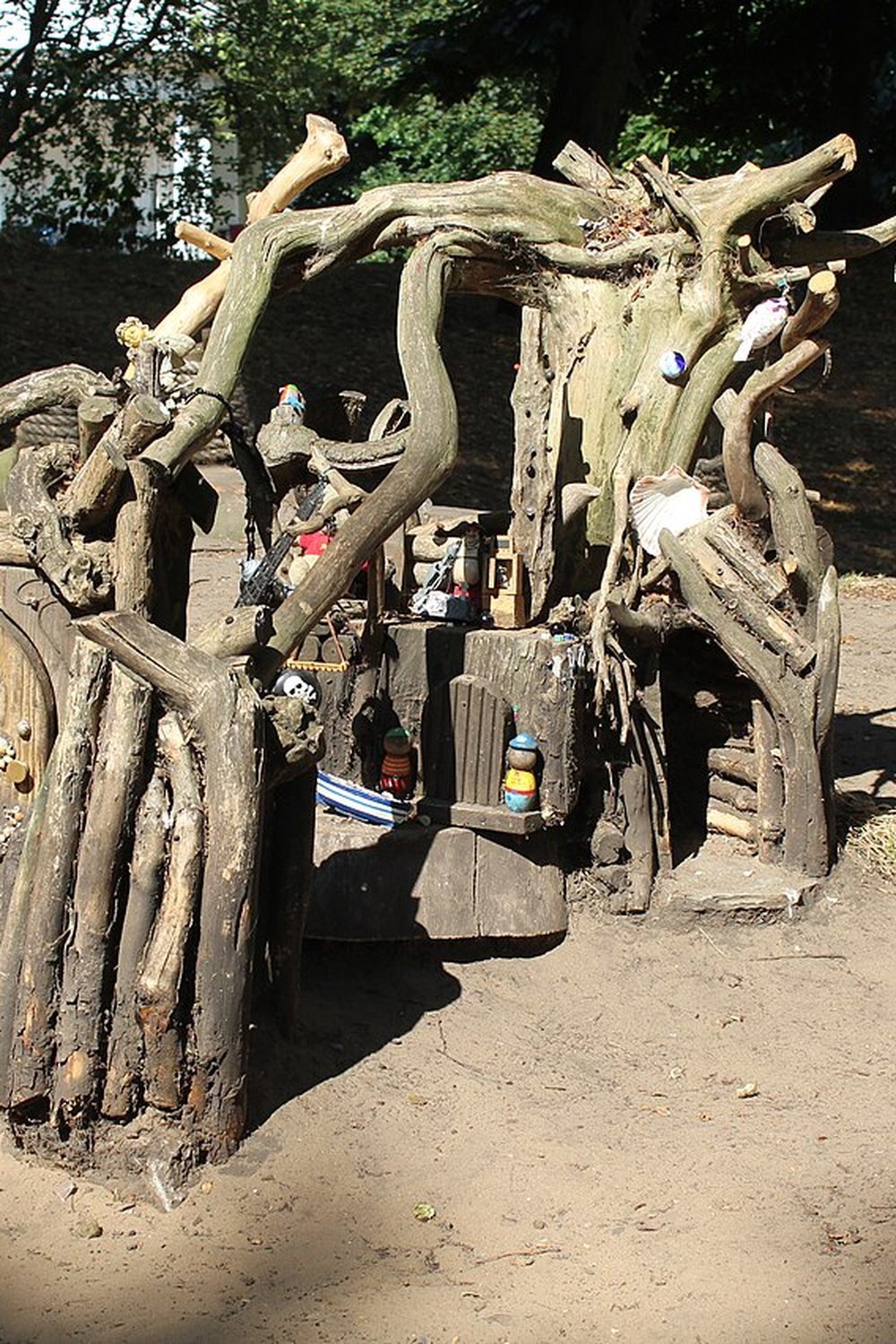
One fairy house is charming, but a whole village tells a story. Cluster three or four tiny houses of different sizes in one wide container, connect them with pebble paths, and add a tiny trellis between two houses for climbing plants. Give each house a different roof color, so the village looks lived in. For tiny garden structures, see these DIY wood trellis ideas. A village needs a bigger container, at least 18 inches wide, so the houses do not crowd each other.
A Moss Covered Woodland Garden
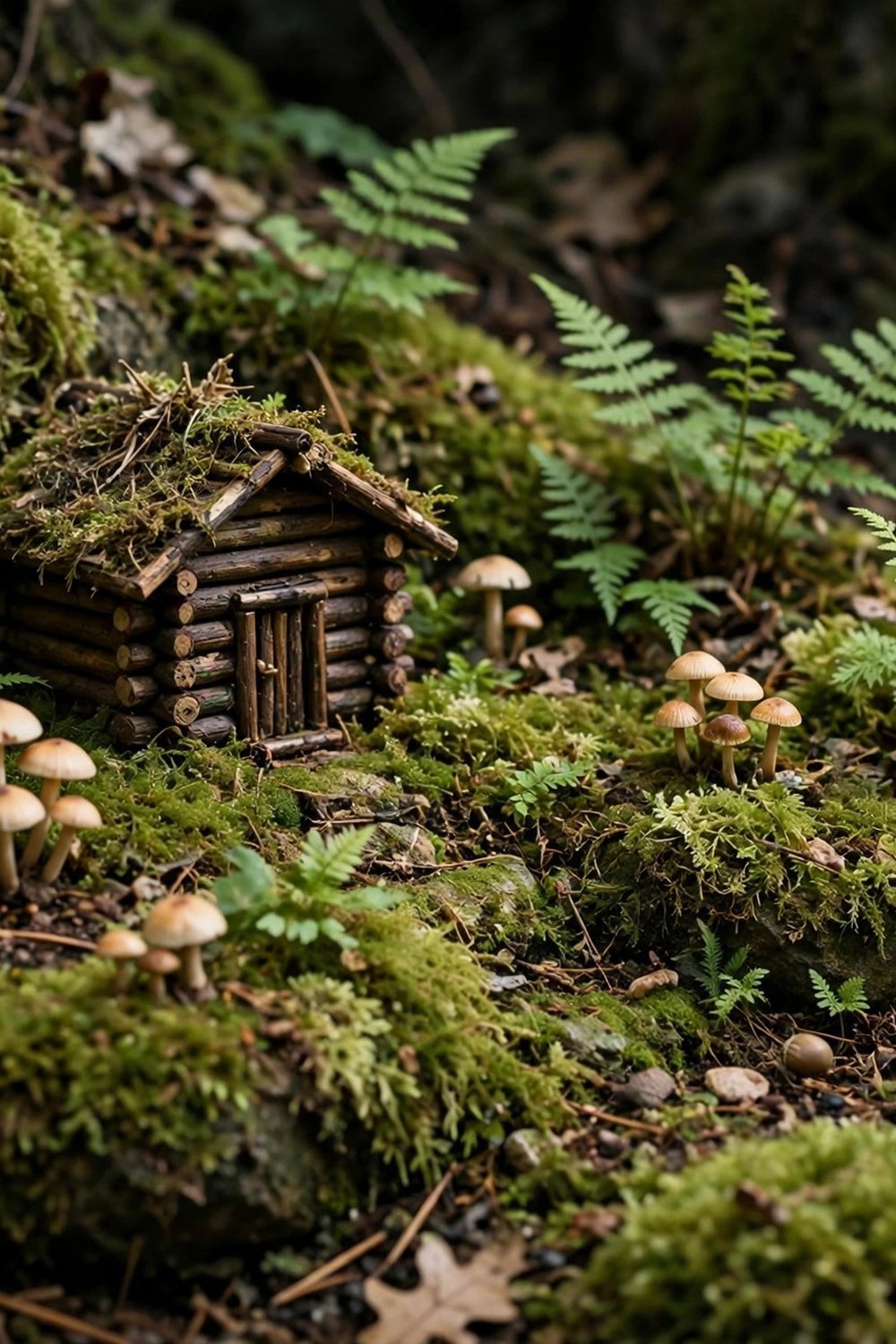
A woodland fairy garden feels like a forest floor in miniature. Cover the soil with sheet moss, add a tiny log cabin, a few miniature mushrooms, and small ferns. Moss loves shade and moisture, so this garden suits a shady porch corner or a spot under a tree. Mist the moss often, and keep the garden out of hot afternoon sun. Woodland gardens suit people who love a calm, natural look over bright colors.
A Beach Fairy Garden With Sand and Shells
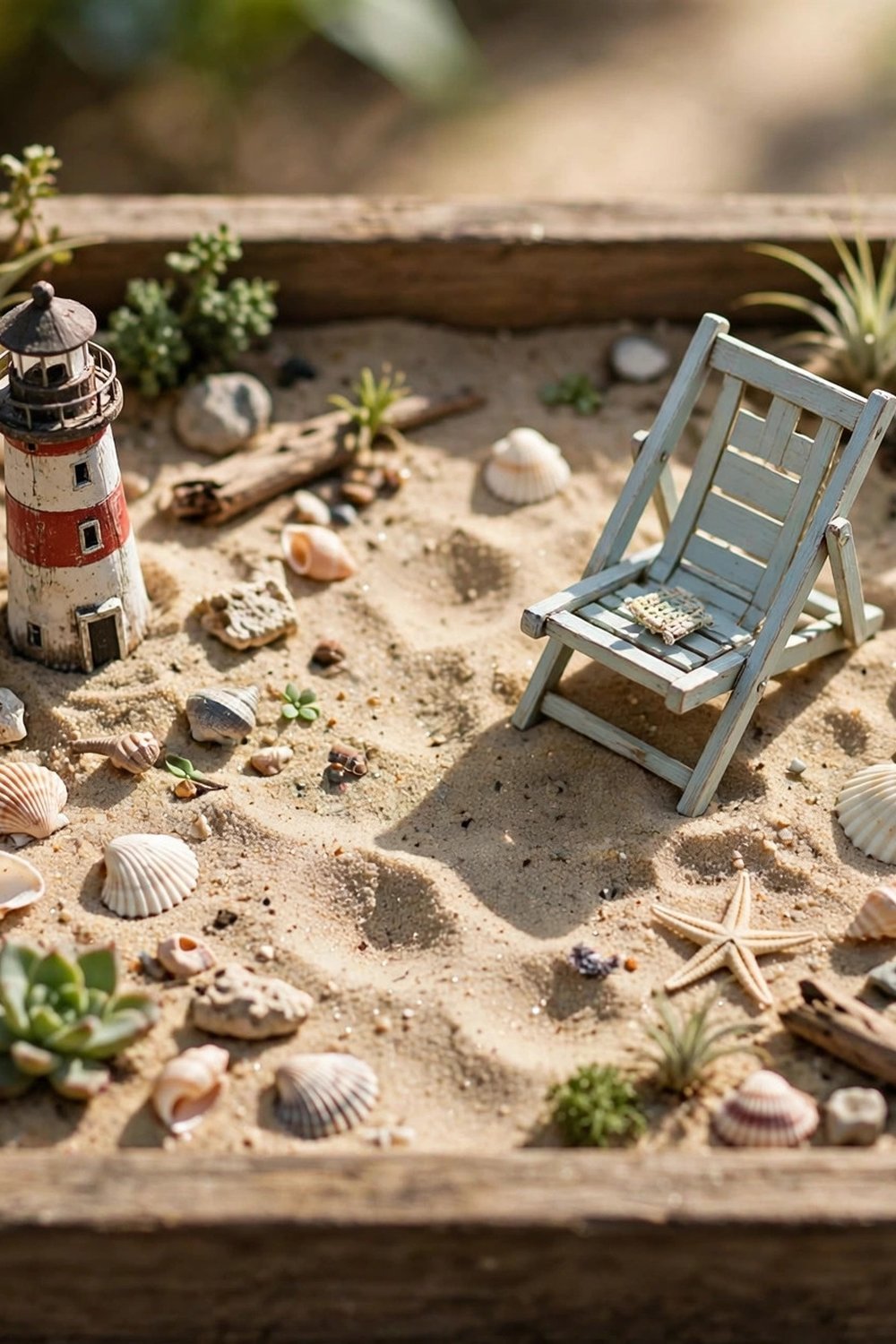
A beach fairy garden brings the seaside to a pot. Fill a shallow container with sand, add small shells, a tiny beach chair, and a miniature lighthouse or a small boat. Plant one hardy succulent as a palm tree stand in, and edge the sand with white pebbles like sea foam. Beach gardens suit sunny spots and need very little water. This theme delights kids, who can collect the shells themselves on a beach trip.
A Glowing Night Garden With Solar Lights

A fairy garden that glows at night feels truly magical. Tuck tiny solar fairy lights among the plants, add a miniature lantern by the fairy house door, and use glow in the dark pebbles along the path. Solar lights charge by day and switch on at dusk with no wiring at all. A glowing garden turns a porch into an evening showpiece, and kids love checking it after dark. Keep the solar panel in sun, or the lights will fade early.
A Fairy Garden for Kids to Build Themselves
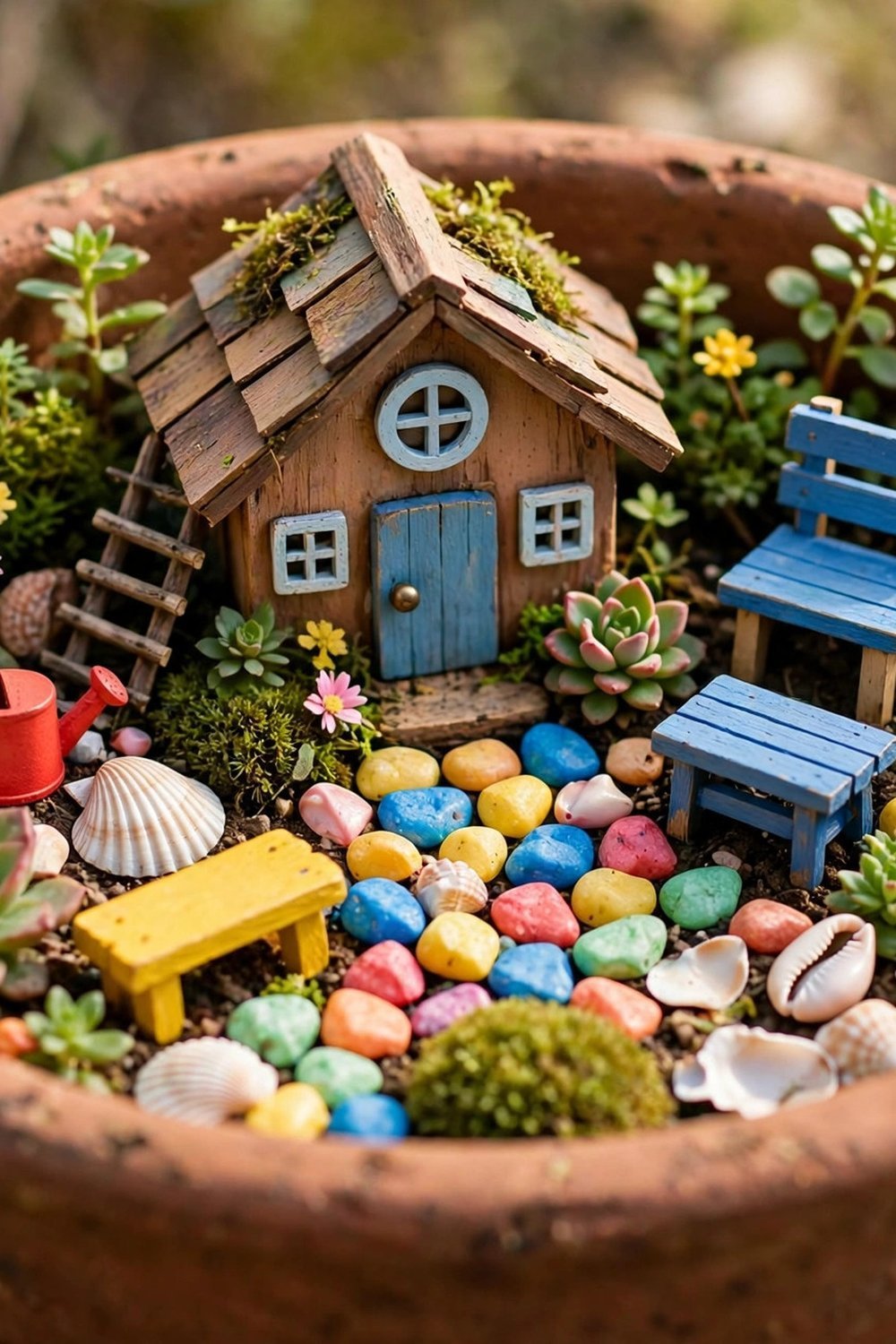
Let kids build their own fairy garden, and it becomes their favorite project. Give each child a small pot, soil, one tiny house, and a box of pebbles, shells, and miniature furniture to arrange as they like. Kids learn about plants while they play, and they love watering and checking their garden daily. Keep the plants tough, like succulents and moss, so little hands cannot easily kill them. For more projects kids love, see these craft activities for kids.
An Indoor Fairy Garden on a Tray
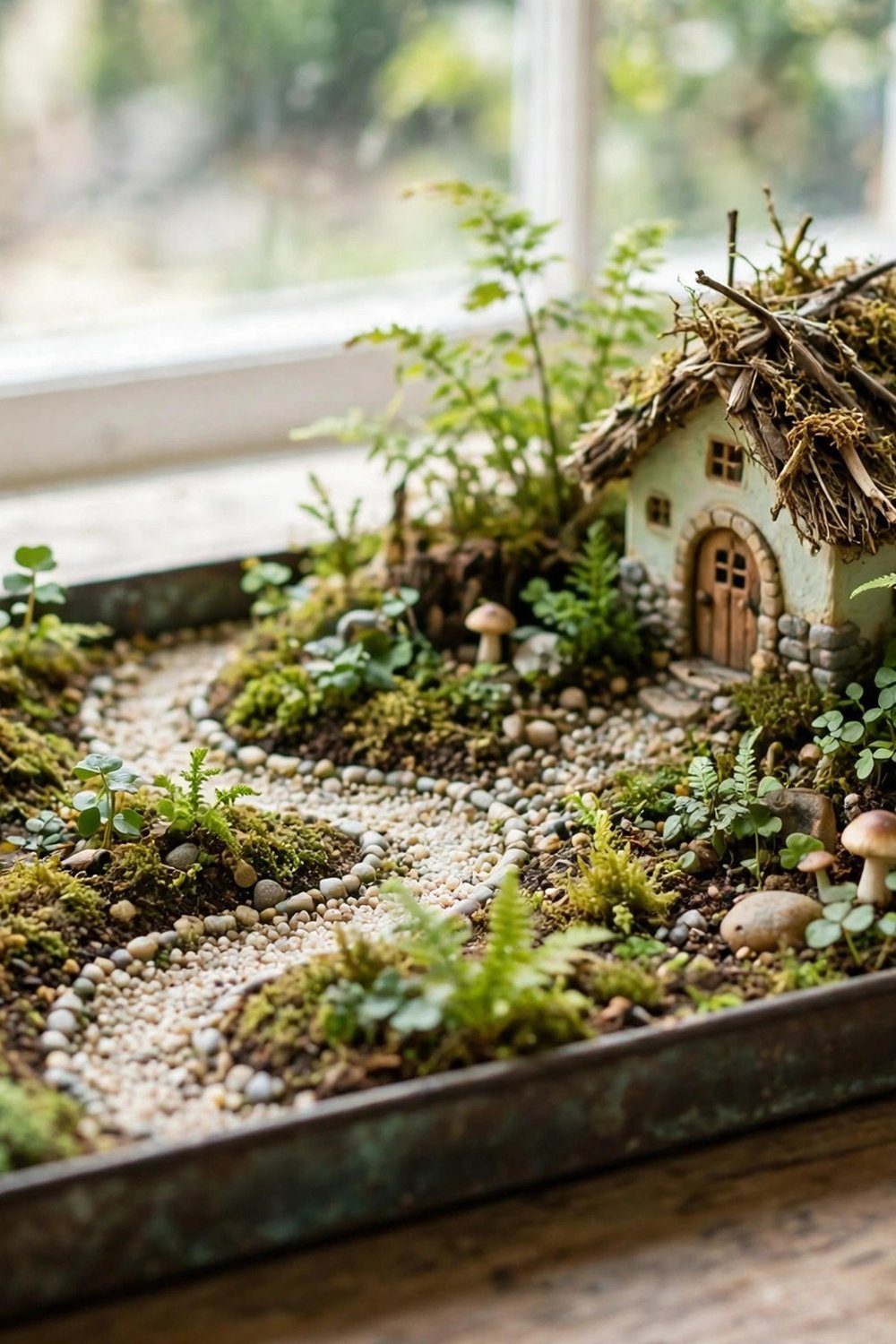
An indoor fairy garden on a tray brings tiny magic inside all year. Use a shallow tray with a lip, fill it with soil, and build a small scene with a house, path, and tiny plants that suit indoor light. A tray catches water and protects furniture, and the whole garden moves easily for cleaning. Choose low light plants like baby tears or small ferns for indoor trays. Indoor gardens suit apartments and cold climates best.
A Herb Fairy Garden You Can Eat From
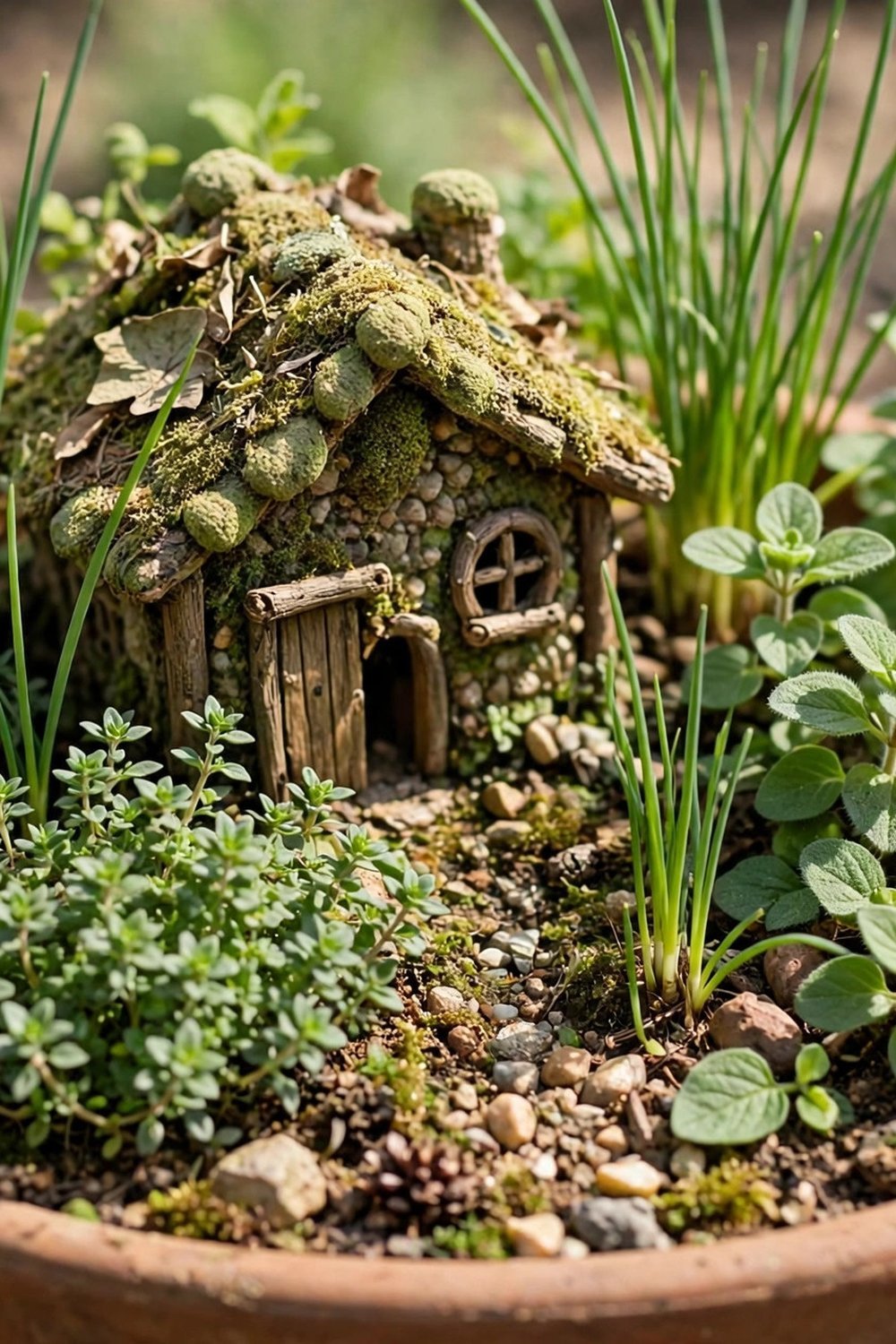
A herb fairy garden mixes magic with cooking. Plant tiny herbs like thyme, oregano, and chives around a fairy house, and the garden smells wonderful while it grows food. Thyme makes a great fairy lawn, since it stays low and soft. Snip herbs for cooking, and the garden keeps growing back. Herb fairy gardens suit kitchen windows and sunny patios, and they teach kids where food comes from.
A Succulent Fairy Garden
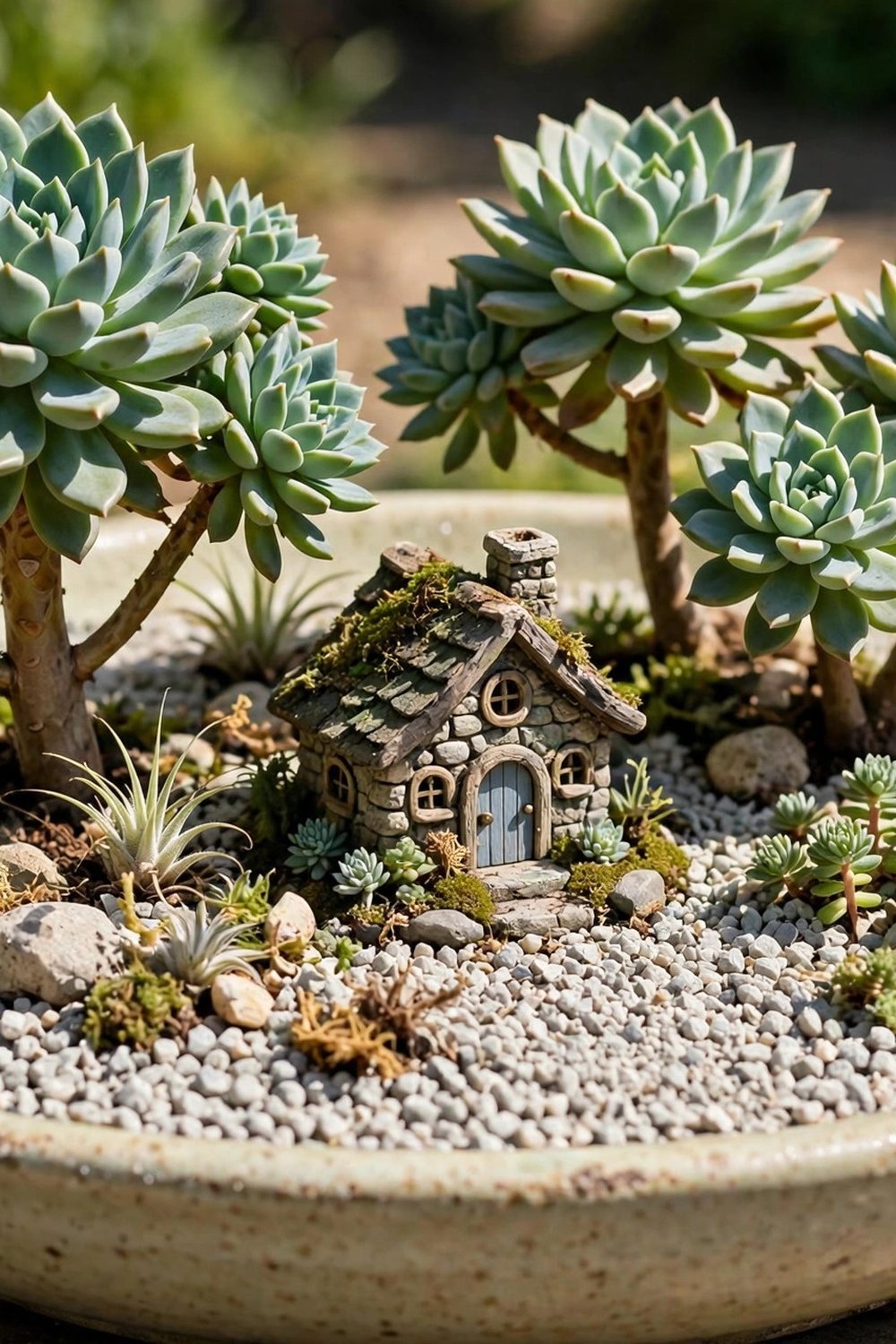
Succulents make the easiest fairy gardens, since they need little water and stay small. Fill a shallow bowl with cactus soil, arrange a tiny house among rosette succulents that look like miniature trees and shrubs, and top the soil with fine gravel. Succulent gardens suit busy people and hot sunny spots, and they survive a missed watering or two. Avoid overwatering, since succulents rot fast in wet soil.
A Winter Fairy Garden

A winter fairy garden keeps the magic alive in cold months. Use evergreen sprigs, white gravel like snow, and a tiny house with a snow covered roof made from white felt. Add miniature skis, a tiny snowman, and a small pine tree. Winter gardens suit porches in mild climates, or indoors near a bright window in cold climates. Swap the snow felt for moss in spring, and the same garden starts a new season.
A Fairy Garden Around a Tree Base
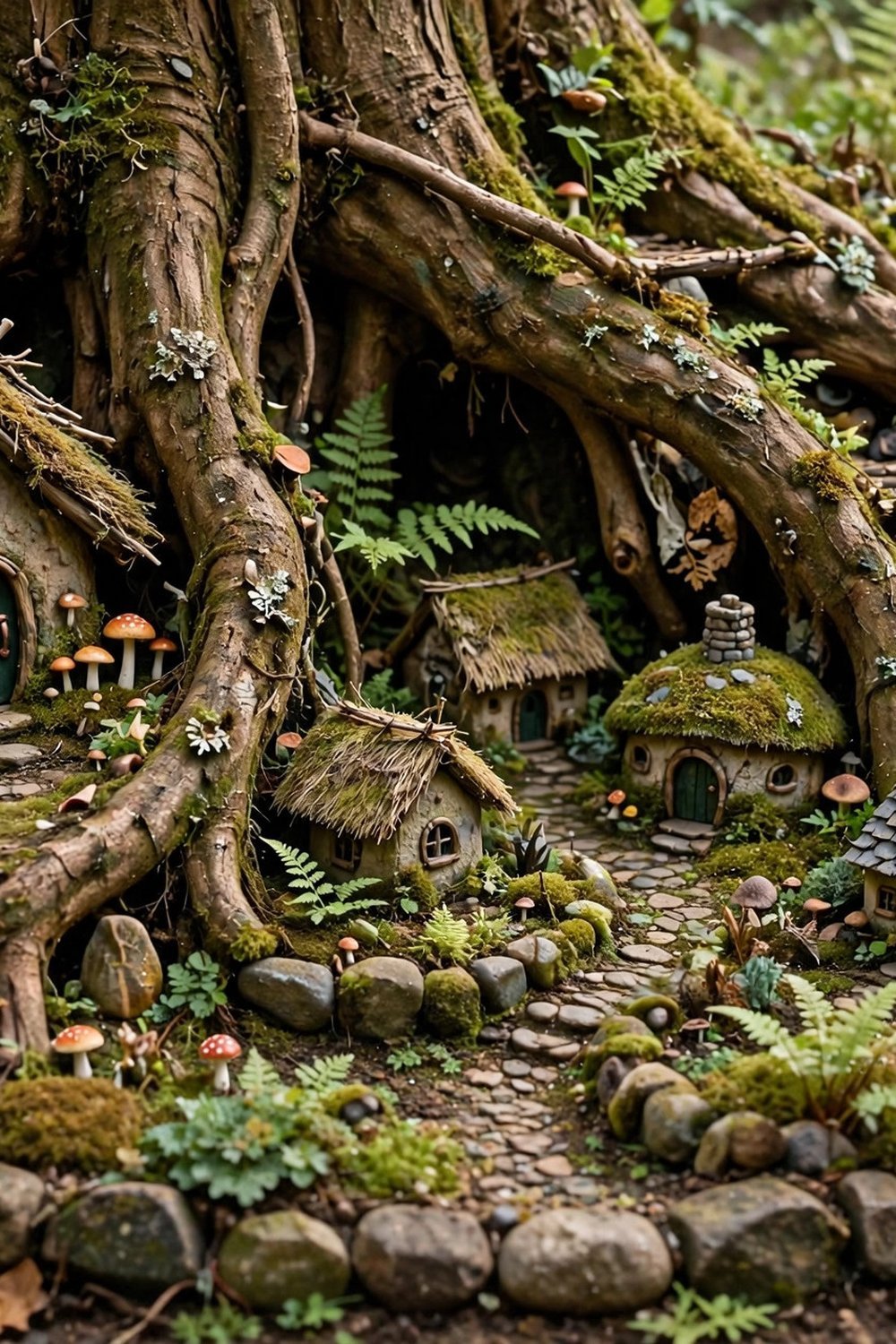
The base of a yard tree is a ready made fairy garden spot. Clear the weeds, edge a small bed with stones, and build a tiny village among the roots with a fairy house, paths, and shade loving plants like moss and ferns. The tree gives shade and shelter, so the garden stays cool in summer. Keep plants a little away from the trunk, so the tree bark stays dry and healthy. A tree base garden feels like fairies truly live there.
A Miniature Farm Fairy Garden
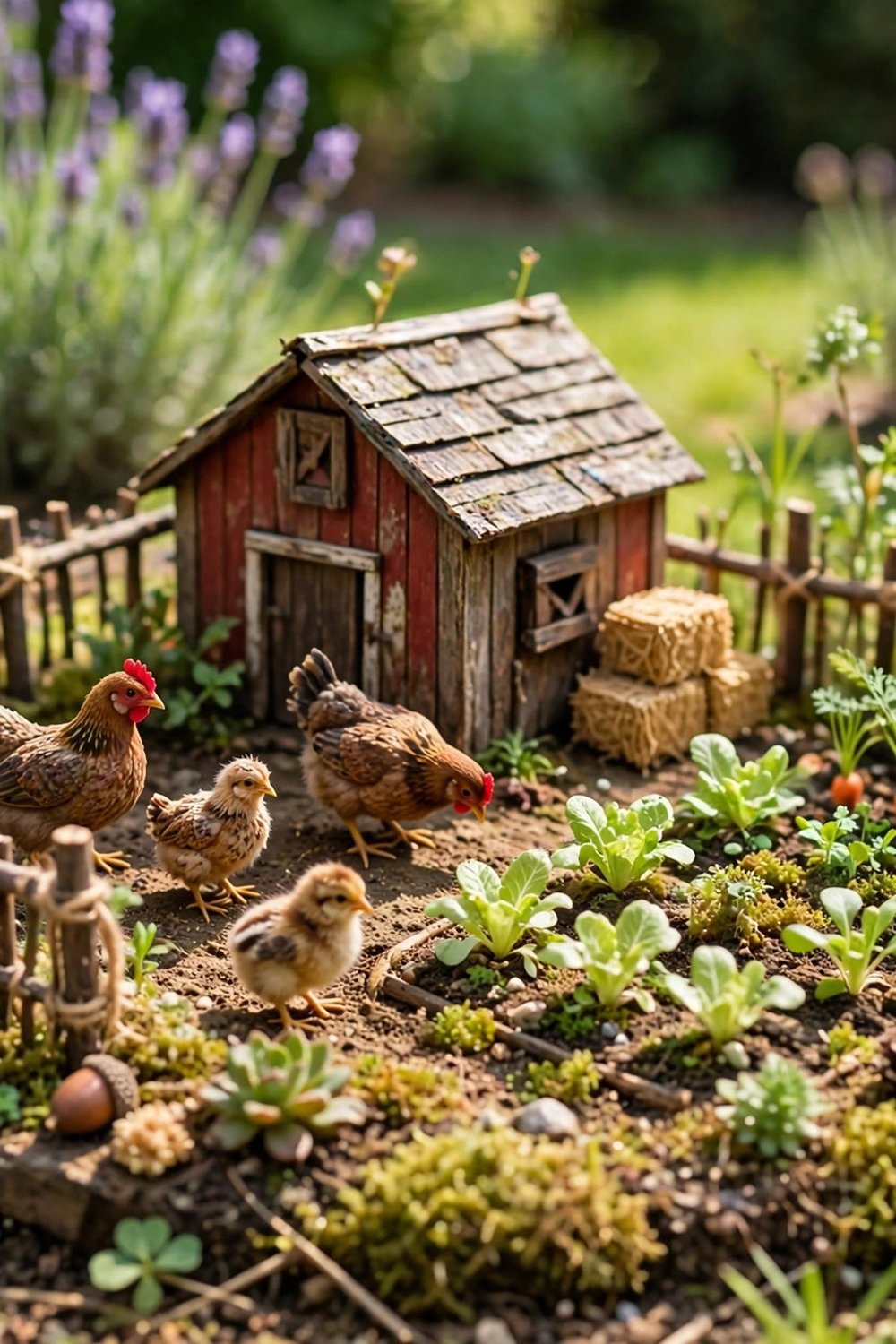
A miniature farm fairy garden adds animals and fences to the tiny world. Build a tiny fenced yard with twig fences, add miniature chickens, a small barn, and a tiny vegetable patch made from green beads or small plants. A farm theme suits kids who love animals, and it pairs well with a larger garden. Keep the farm in a sunny spot, since vegetable patch plants need sun.
Planning a DIY Fairy Garden
Plan before you plant. Pick a container with drainage holes, since fairy plants drown in standing water. Use light potting soil mixed with a little sand for drainage, and match plants to your light: succulents for sun, moss and ferns for shade. Keep scale consistent, so houses, doors, and furniture all look like they belong together; one oversized item breaks the illusion. Start small, with one house and three plants, and add details over time as you find them.
DIY Fairy Garden Cost Guide
Fairy gardens fit small budgets. Under 30 dollars covers a clay pot, soil, one tiny house, and pebbles. Around 75 dollars adds miniature furniture, a bridge, lights, and several plants. Around 150 dollars builds a full village with multiple houses, a pond, and solar lights. Start with the pot and house, since those set the scene, then add one small detail each week. Thrift shops, nature walks, and craft sales keep costs low and make the garden personal.
Frequently Asked Questions
What plants are best for a fairy garden? Small slow growing plants work best, like succulents, moss, baby tears, creeping thyme, and miniature ferns. Match plants to your light and water habits, and avoid fast growers that soon swallow the tiny houses. How do you keep a fairy garden alive? Water only when the top inch of soil feels dry, give plants the light they need, and trim fast growers often. Outdoor gardens need shelter from heavy rain and frost, while indoor gardens need bright indirect light. Can kids make a fairy garden alone? Older kids can build one with a little help, while younger kids need an adult for soil and small parts. Choose unbreakable miniature items for young kids, and let them arrange the scene themselves for the best result. How long does a fairy garden last? A well kept fairy garden lasts for years, since plants can be replaced and miniature items last indefinitely. Refresh the soil once a year, replace tired plants, and the tiny world keeps going season after season.
Final Thoughts
A DIY fairy garden is a small project with a big payoff: a tiny world that grows, glows, and makes people smile every time they see it. Start with one pot, one house, and a few small plants, then add a path, a pond, or a light as your garden grows. Pick one idea from this list this weekend, and watch a plain pot turn into a place where fairies might just live. For more ways to show off small plants, see these DIY plant stands.