20 Twin Bed Ideas for Small Rooms
Two twin beds in a small room can feel crowded, or they can feel smart, calm, and made for sharing. The difference is the layout, the storage, and a few small choices that make the room work twice as hard. Twin beds suit kids sharing a room, guests, siblings, and small bedrooms where one big bed just does not fit. These 20 twin bed ideas for small rooms cover layouts, bunk beds, storage beds, and styling tricks, plus planning and cost tips, so your small room feels open, organized, and good to sleep in.
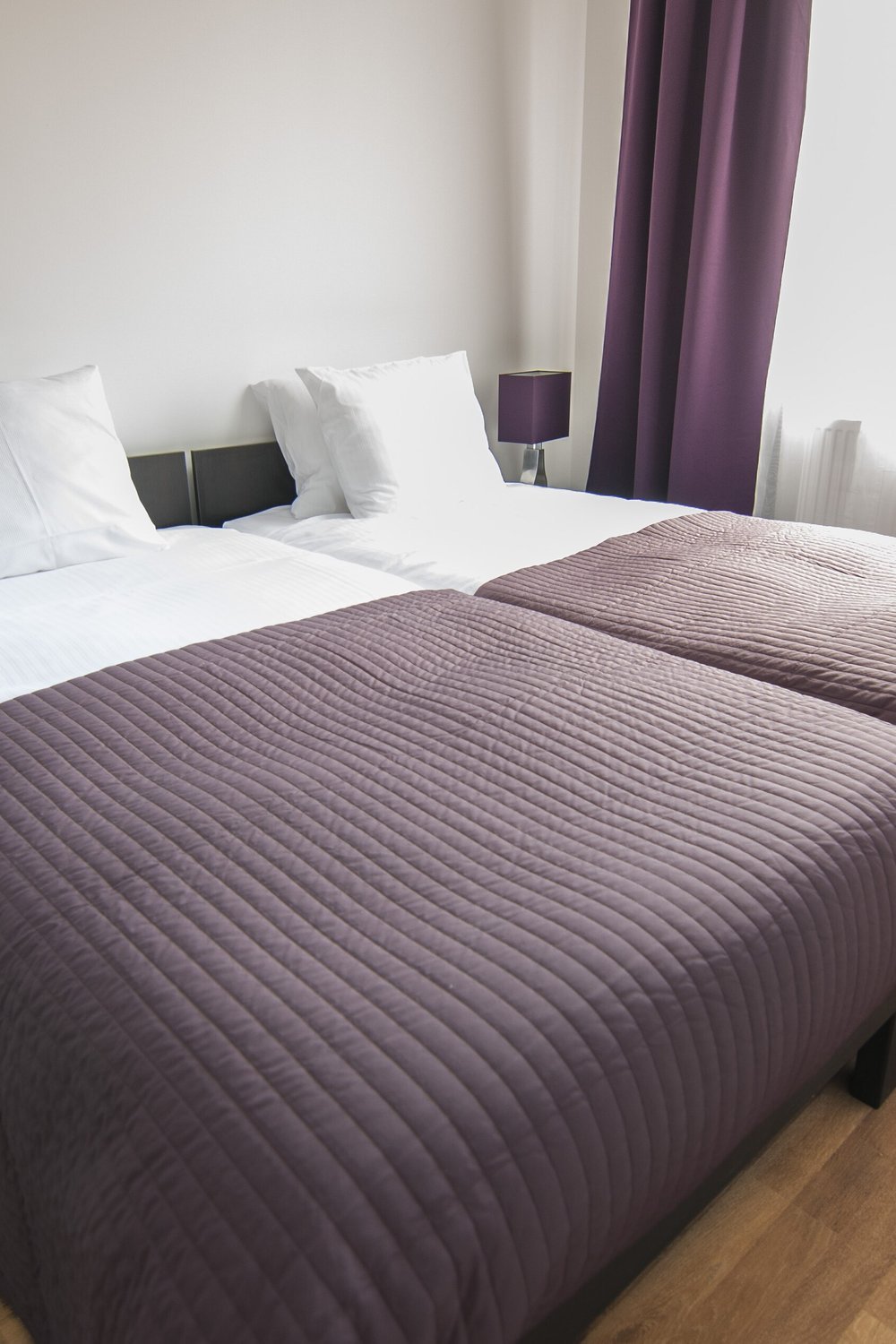
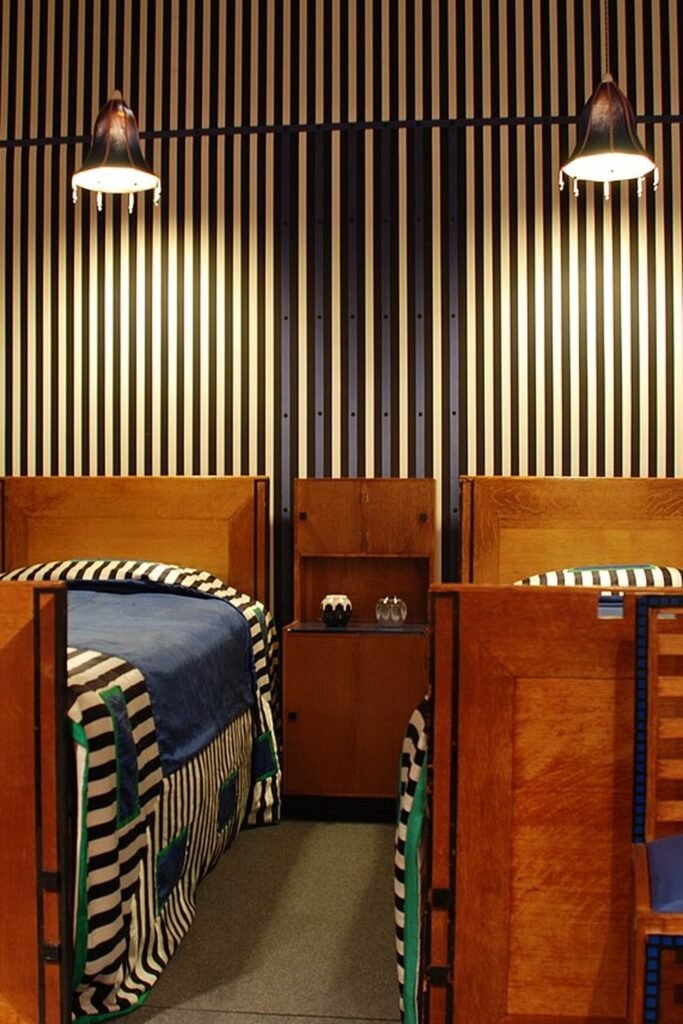
1. Two Twin Beds Side by Side With a Shared Nightstand
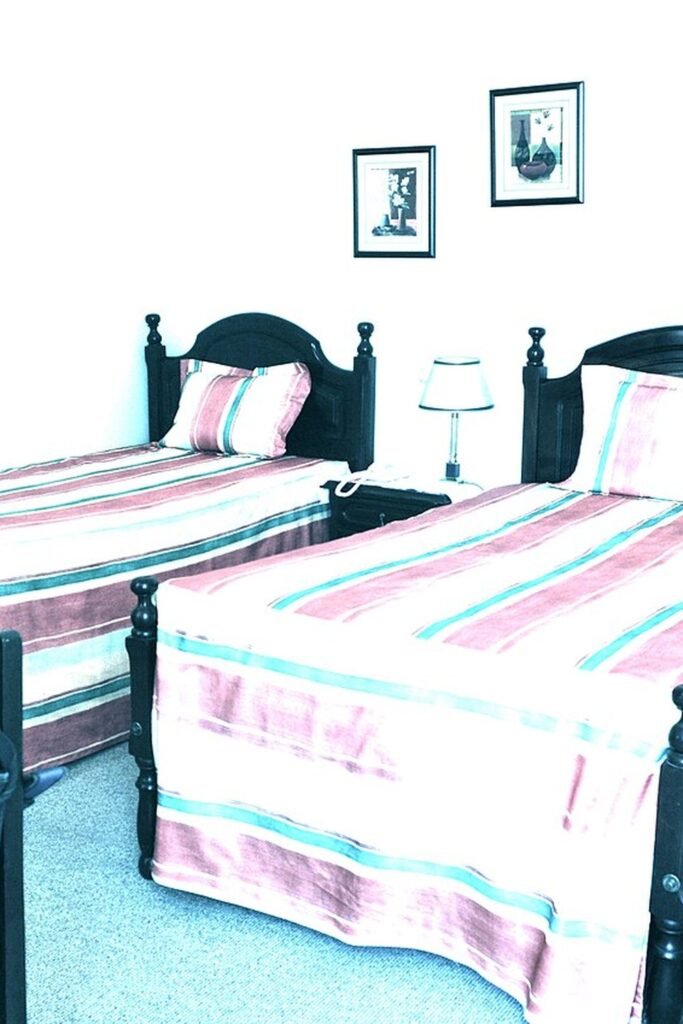
The classic layout still works best in many rooms. Place two twin beds side by side along the longest wall, with one slim nightstand between them. Both sleepers get a lamp, a book, and a glass of water within reach, and the shared table saves floor space versus two tables. Keep the gap between bed and nightstand small, about 6 inches, so nothing falls through. Matching bed frames make the pair look planned, not crowded.
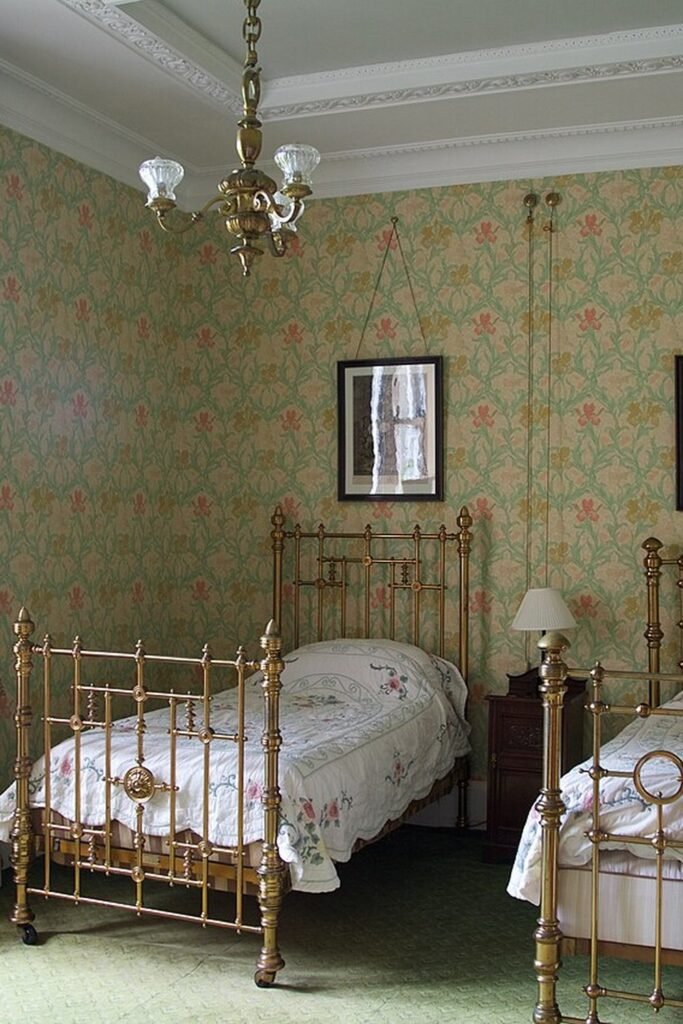
2. A Corner Layout That Frees the Middle of the Room
Push each twin bed against a different wall so they meet in one corner, like an L shape made of beds. This corner layout frees the middle of the room for play, a desk, or a dresser, and it feels less like a dorm room than two beds in a row. Add one pillow in the corner where the beds meet, so the corner reads as a cozy reading spot. This layout suits square rooms best, where both walls are long enough for a twin bed.
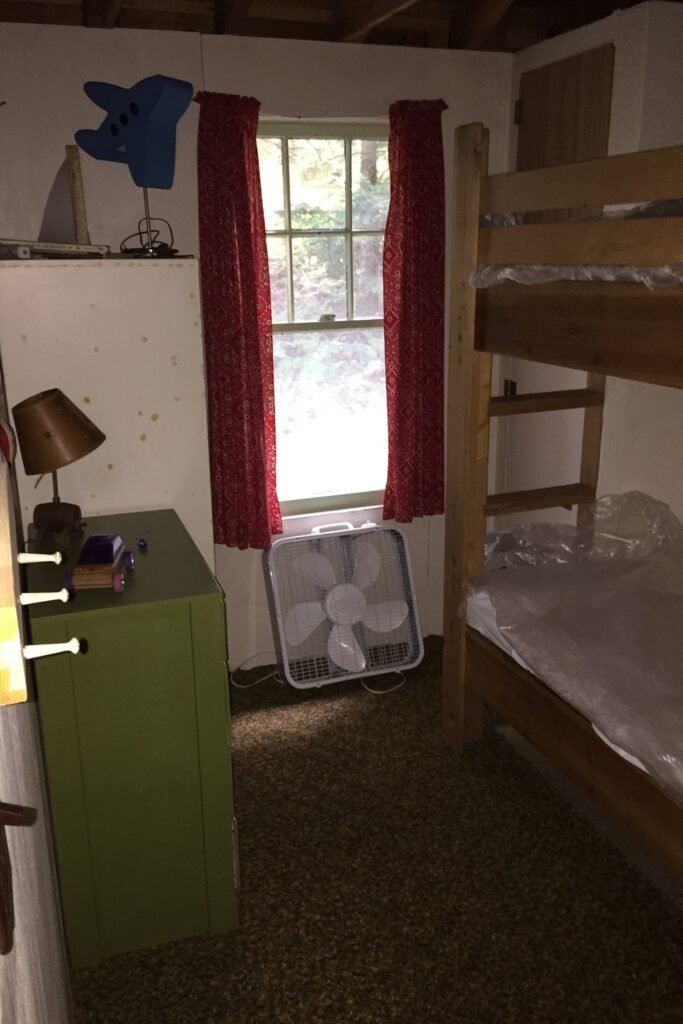
3. Bunk Beds for Kids Sharing a Room
Bunk beds are the oldest small room trick, and they still win. One bed footprint sleeps two kids, and the floor stays free for toys and homework. Choose a sturdy frame with a full guard rail on the top bunk and a ladder that feels safe at night. Keep the ceiling height in mind: at least 30 inches above the top mattress lets a child sit up in bed. Bunk beds with a small shelf on each level give each child a private spot for a book.
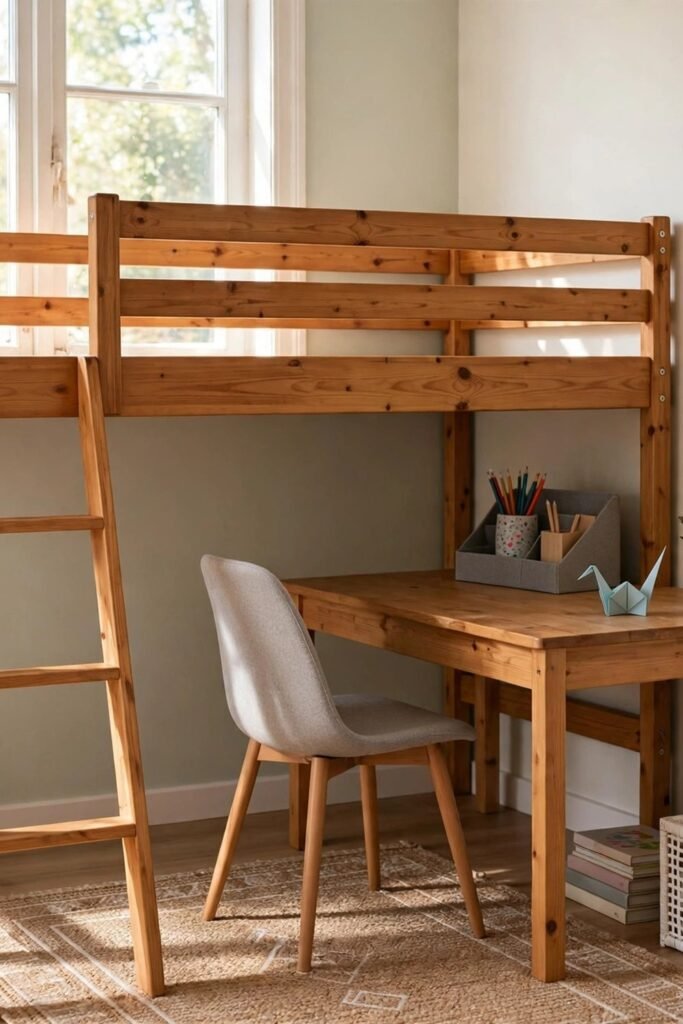
4. A Loft Bed With a Desk Underneath
A loft bed lifts one sleeper high and gives the space below back to the room. Put a desk, a reading chair, or a dresser under the loft, and one twin bed suddenly serves two jobs. Loft beds suit older kids and teens who need study space more than floor play space. Check that the ceiling allows sitting up in bed, and add a clip on light under the loft so the desk zone stays bright. A loft plus a second twin on the floor sleeps two in a tiny room.
5. A Daybed That Works as a Sofa by Day
A daybed looks like a sofa during the day and sleeps like a bed at night. Push it against the wall with big pillows along the back, and the room gains seating for friends, reading, and TV time. At night, remove the back pillows and the daybed is a full twin bed. Daybeds suit guest rooms and small bedrooms that double as a hangout space. Choose a daybed with a trundle below, and the room sleeps two without a second bed frame.
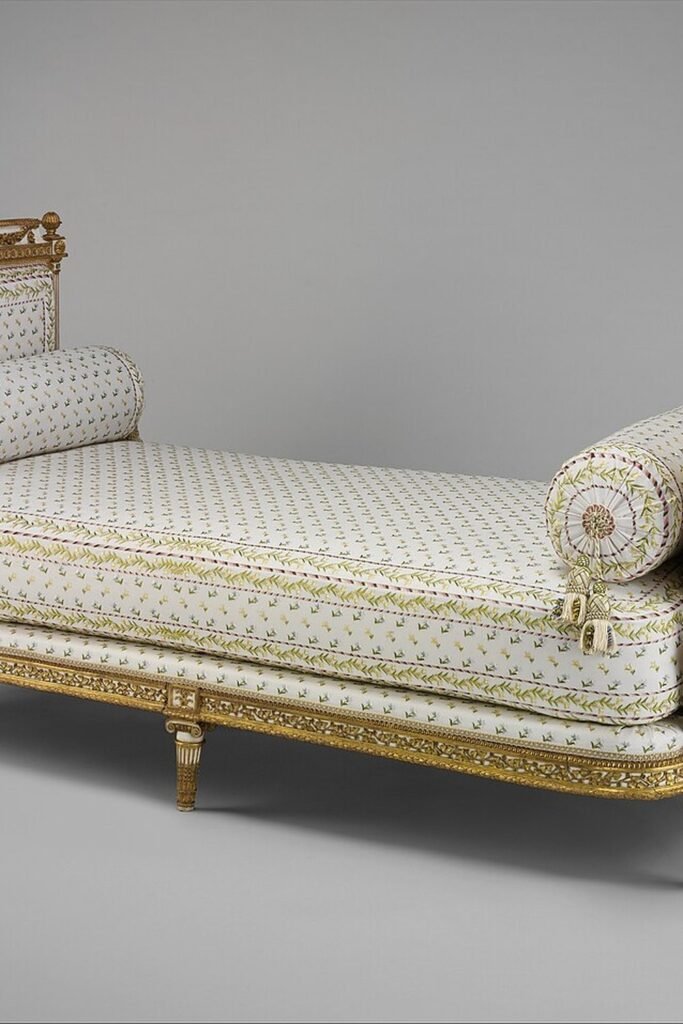
6. A Trundle Bed That Hides a Second Bed
A trundle bed hides a second twin mattress under the first bed, on wheels that roll out at night. By day the room shows one bed and open floor; by night it sleeps two. Trundles suit sleepovers, guests, and kids who want their own bed but share a room only sometimes. Keep the trundle mattress thinner than a normal mattress, about 8 inches, so it slides easily. Add casters that lock, so the pulled out bed stays put all night.
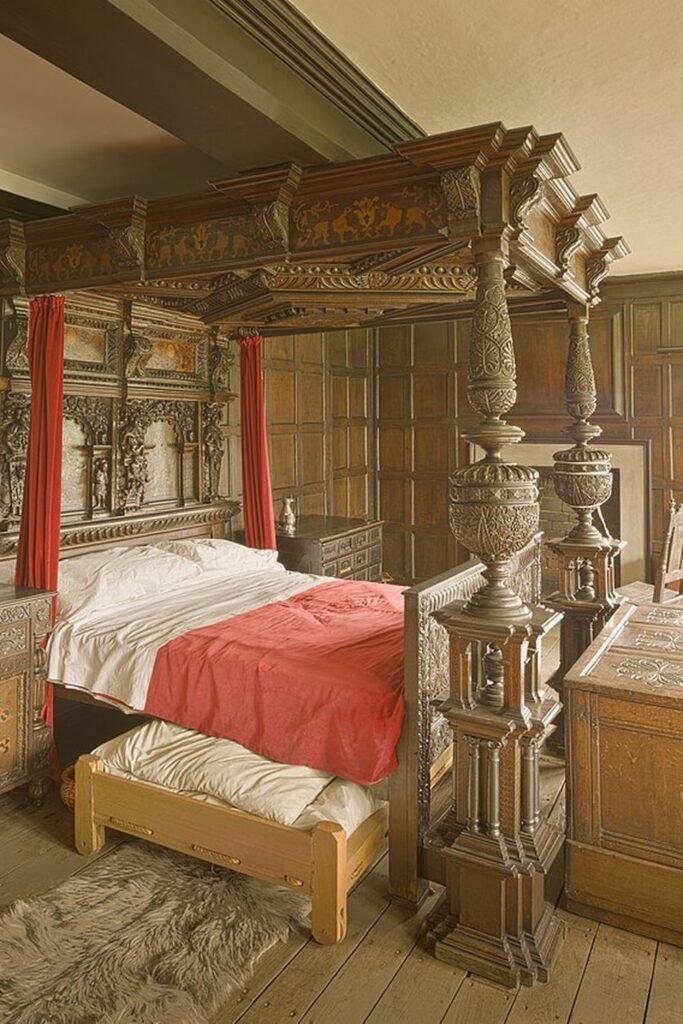
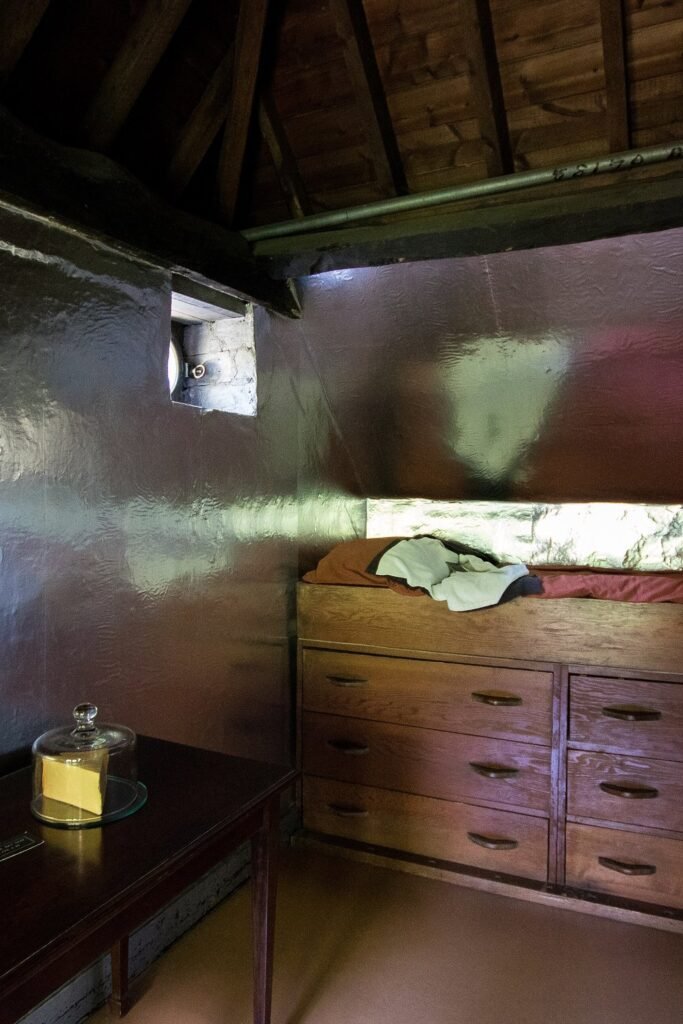
7. Twin Beds With Storage Drawers Underneath
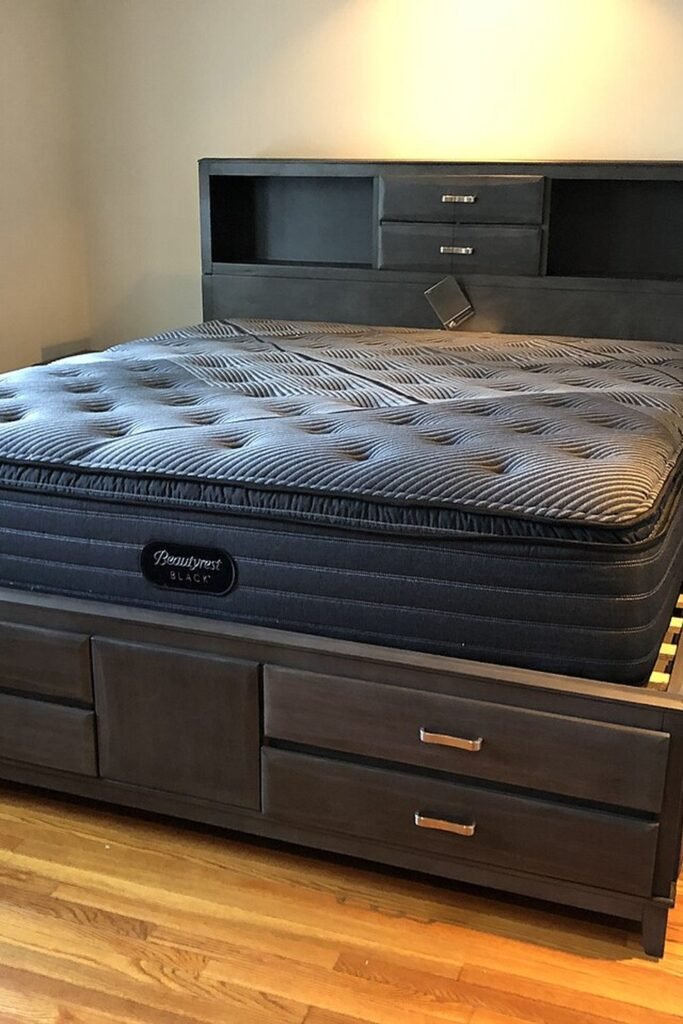
Storage beds turn dead space under the mattress into drawers for clothes, bedding, and toys. Two drawer beds in one room can replace a whole dresser, which frees a full wall for a desk or play space. Choose drawers that glide smoothly and have handles a child can grip. Keep daily clothes in the top drawer of each bed, so mornings run fast. Storage beds cost more than plain frames, but they save the cost and space of extra furniture.
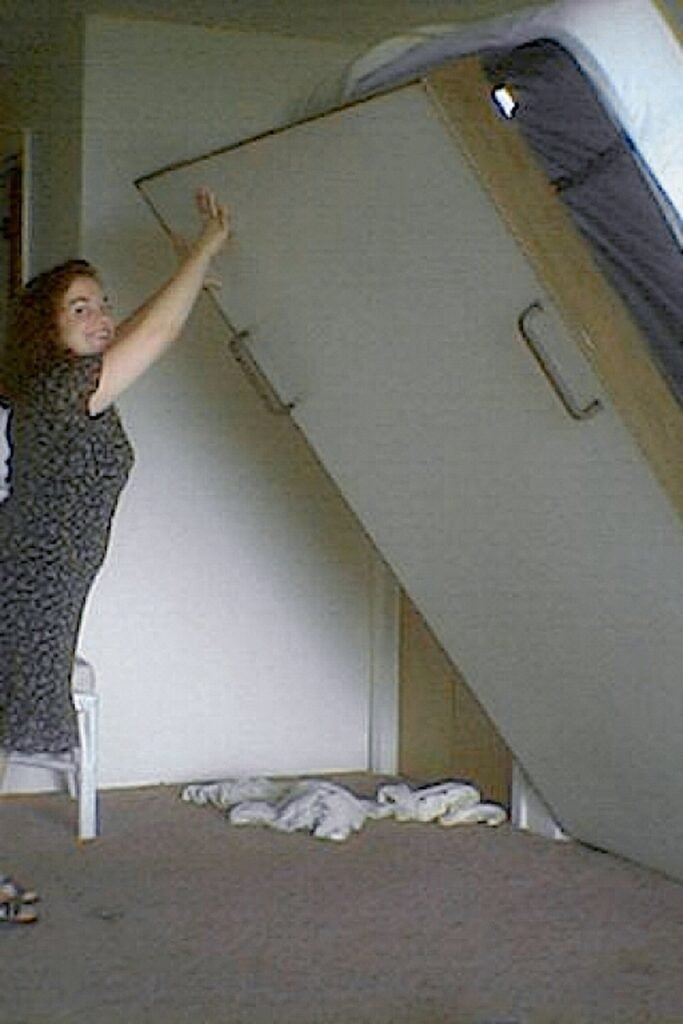
8. A Fold Away Wall Bed for Tiny Rooms
A wall bed, also called a Murphy bed, folds up into a cabinet when not in use. One twin wall bed plus one normal twin bed lets a tiny room sleep two at night and serve as a playroom or office by day. Modern wall beds fold down easily and lock safely in place. Plan the wall space carefully: the cabinet needs a clear floor area in front equal to the bed length. Wall beds suit guest rooms and studio rooms most of all.
9. Matching Bedding That Makes Two Beds Look Like One
Matching bedding is the fastest way to make two twin beds look calm instead of busy. Use the same sheets, the same duvet color, and the same pillow count on both beds, then add one different throw pillow per bed for personality. Matching bedding makes the eye see one big calm zone, not two competing beds. White, soft beige, and light grey bedding keep a small room bright, and they wash easily when kids are involved.
10. One Accent Wall Behind Both Beds
Paint the wall behind both beds one color, or hang one long piece of art across it, and the two beds read as one designed zone. A soft sage, warm beige, or pale blue accent wall adds depth without shrinking the room. Keep the other walls light and plain, so the accent wall shines. One accent wall also saves money versus wallpapering the whole room, and repainting one wall is a weekend job when tastes change.
11. Light Colors and One Big Mirror
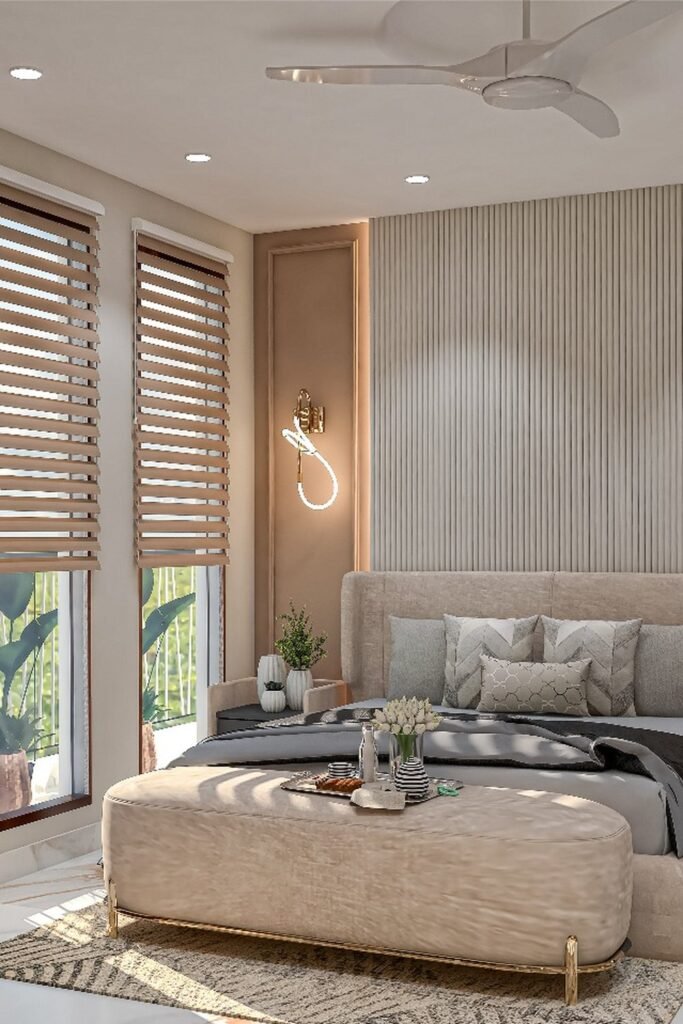
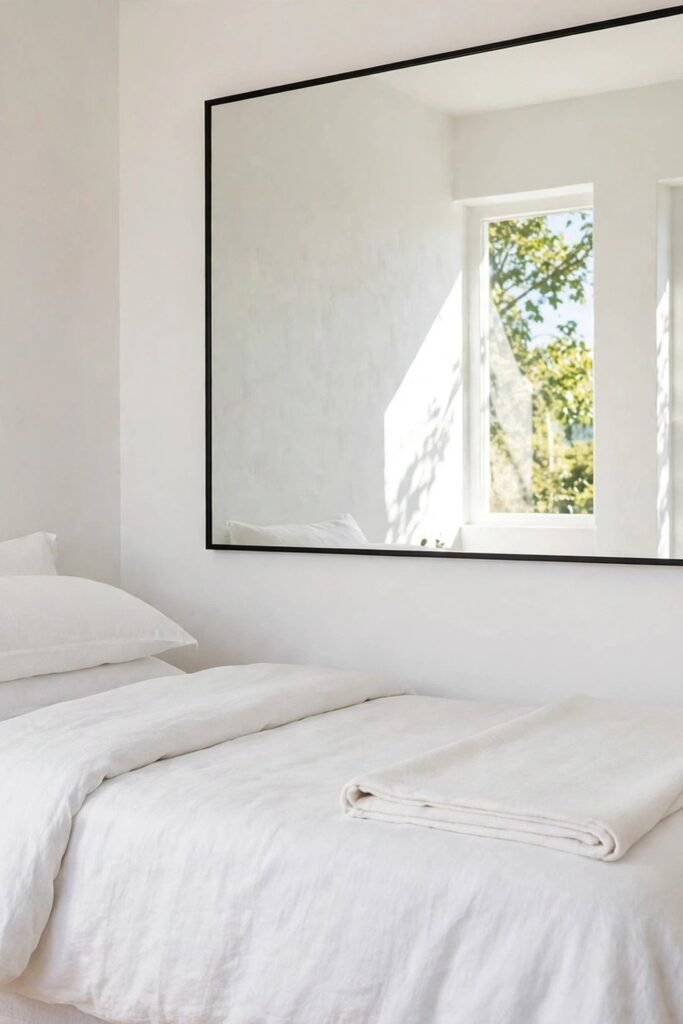
Light colors make a small twin room feel bigger. Paint walls and ceiling the same soft white or pale warm tone, use light bedding, and hang one large mirror opposite the window. The mirror doubles the daylight and doubles the sense of space. Avoid dark heavy curtains; use sheer white curtains that let light through while keeping privacy. For more small room color and layout help, see these small bedroom ideas.
12. Floating Shelves Above Each Bed
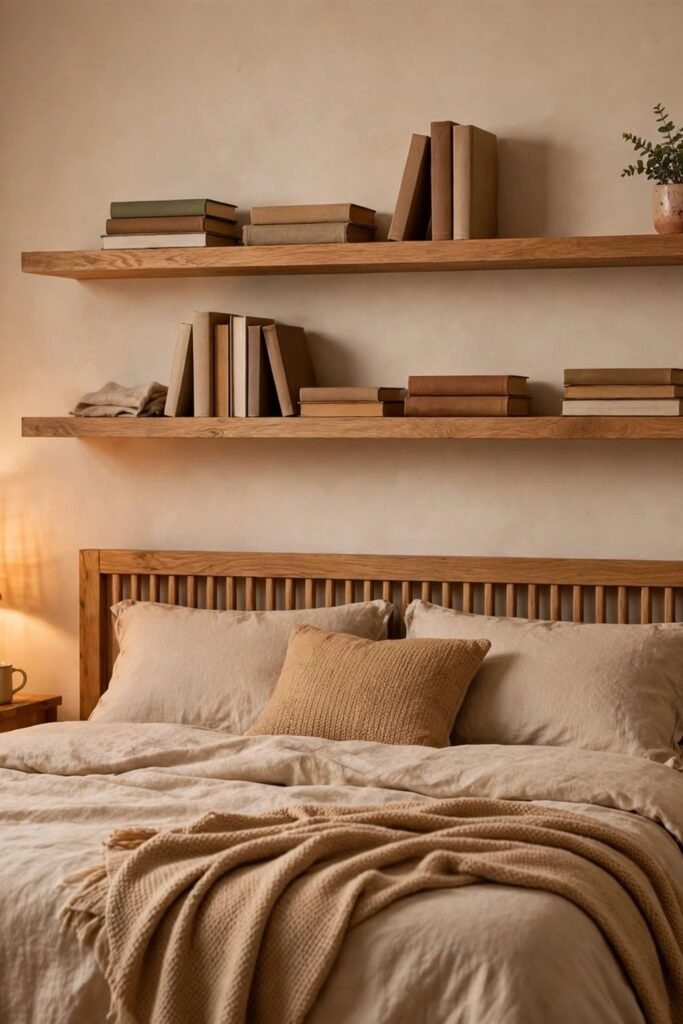
Floating shelves above each bed give each sleeper a private shelf for a book, a phone, and a small plant, without any floor space at all. Hang one shelf at arm height above each pillow, and keep the shelf depth slim, about 8 inches, so nobody bumps their head. Matching shelves keep the room balanced, while each child can style their own shelf. Shelves cost little and install in an afternoon with basic tools.
13. Wall Sconces That Free the Nightstand
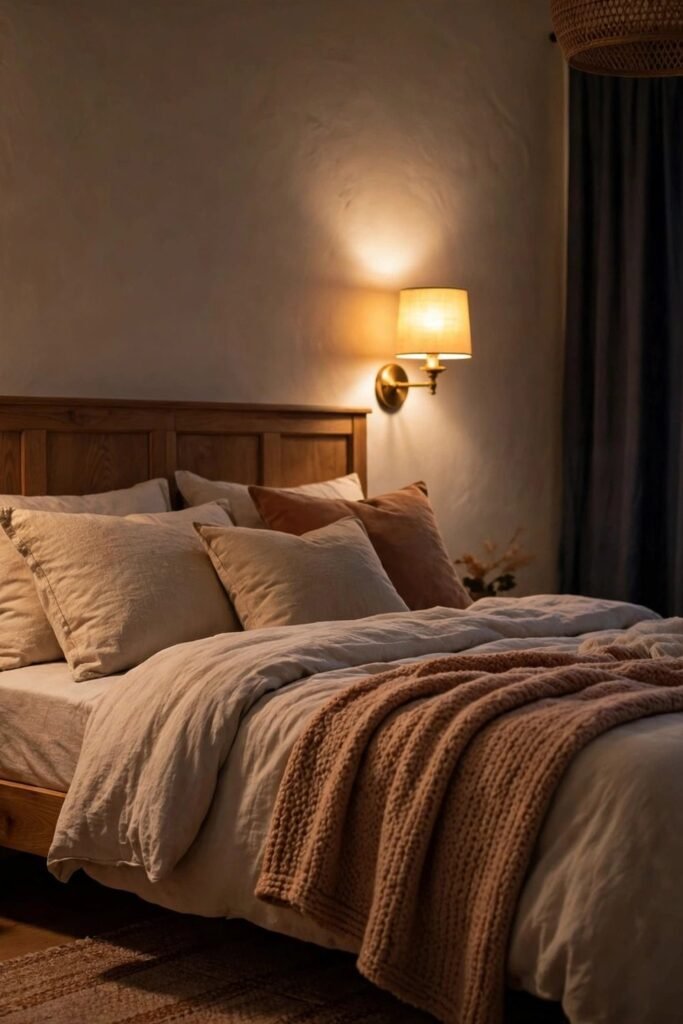
Table lamps eat nightstand space that small rooms cannot spare. Wall sconces above or beside each bed give reading light and leave the nightstand free for a glass of water and a phone. Choose sconces with a switch each sleeper can reach from bed, or plug in sconces with a pull cord for renters. Warm bulbs around 2700 Kelvin make the room feel cozy at night. Two sconces cost less than two good table lamps in most cases.
14. Rolling Bins Under the Beds for Toys and Clothes
If the beds have no drawers, rolling bins do the same job for less money. Low bins on wheels slide under each twin bed and hold toys, shoes, or out of season clothes. Label each bin, so kids put things back in the right place. Clear bins show what is inside at a glance, while fabric bins look softer and hide clutter. Measure the clearance under the bed first, since bed heights vary. For storage that keeps small rooms tidy, see these small space storage hacks.
15. A Curtain Divider for Privacy Between Beds
Two sleepers in one room still want a little privacy. A ceiling mounted curtain track between the beds lets each person close their side at night and open the room by day. Choose a light fabric that lets some light through, so the closed curtain never feels like a wall. Curtain dividers suit siblings and guests sharing a room, and they cost far less than a built in partition. Keep the curtain rod high, near the ceiling, so the room still feels tall.
16. A Slim Shared Desk Between the Beds
A slim desk between two twin beds gives both sleepers a homework spot without a second piece of furniture. Choose a desk about 40 inches wide with a chair that tucks fully under it, so the walkway stays clear. Two small desk lamps or one shared wall light keep the desk useful after dark. Keep the desk surface clear with a small tray for pens, since a cluttered desk makes the whole room feel crowded again.
17. A Rug That Grounds Both Beds
One large rug under both twin beds ties the room together and makes the floor feel warm. Choose a rug big enough to reach under the front legs of both beds, with about 18 inches of rug showing on each side. A flat weave rug cleans easily and lets chairs and bins roll over it. Light patterned rugs hide small stains better than plain white rugs, which matters in kids rooms. One rug beats two small rugs, which chop the floor into pieces.
18. Matching Wall Art Above Each Bed
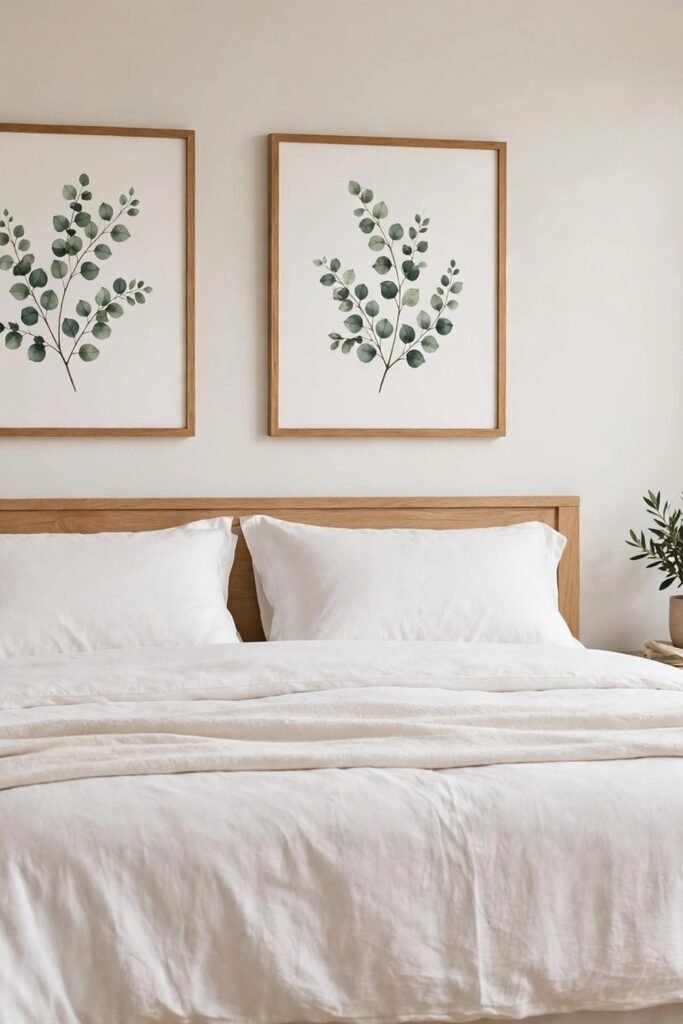
Matching art above each bed makes twin beds feel like a pair on purpose. Hang one framed print above each pillow at the same height, with matching frames but different prints, so each sleeper keeps a little identity. Keep the art light and simple, since heavy frames above a bed feel unsafe. Art at eye level when seated in bed, about 8 inches above the pillow, looks best. This small trick costs little and changes the whole room.
19. A Tall Wardrobe Instead of a Wide Dresser
A tall narrow wardrobe uses wall height that a wide dresser wastes. One tall wardrobe beside the beds can hold clothes for two kids, with hanging space up top and drawers below. Tall wardrobes suit small rooms because they take about 24 inches of wall width versus 60 inches for a long dresser. Keep daily clothes at reachable height and out of season clothes up high. For furniture that saves space in small bedrooms, see these furniture ideas for small bedrooms.
20. Bedside Caddies and Wall Pockets for Small Items
Small items cause the most clutter in twin rooms: phones, chargers, books, and glasses. A bedside caddy that hangs over the mattress edge, or fabric wall pockets beside each bed, holds these items without any furniture. Each sleeper gets their own pocket, so nothing gets mixed up. Caddies cost very little, need no tools, and move easily when the room layout changes. Keep one charging cable per pocket, so cords never cross the floor.
Planning a Small Twin Bed Room
Measure first, then plan. A twin bed is 38 inches wide and 75 inches long, so two twins side by side need at least 80 inches of wall, plus walkway space. Note the door swing, window position, and closet doors, and sketch the layout on paper before buying beds. Prioritize in this order: beds, walkway, storage, desk. Everything else is a bonus. Leave at least 24 inches of walkway beside each bed, so making the bed and getting up at night stay easy. A good layout matters more than expensive furniture in a small room.
Twin Bed Cost Guide
Twin rooms fit small budgets. Under 300 dollars covers matching bedding, a rug, wall pockets, and floating shelves. Around 1000 dollars adds two storage beds or one bunk bed with good mattresses. Around 2500 dollars buys two quality twin beds, a tall wardrobe, sconces, and a rug. Start with bedding and layout, since matching bedding changes the feeling fastest for the least money, then save for storage beds as the big step.
Frequently Asked Questions
How far apart should two twin beds be in a small room? Leave at least 24 inches between the beds if space allows, so each sleeper can get in and out easily. If space is tight, a shared nightstand between the beds works with as little as 12 inches on each side, and a corner layout removes the gap question entirely.
Should twin beds match in a small room? Matching frames and bedding make a small room look calm and planned, which matters when two beds fill most of the floor. Let each sleeper pick one different throw pillow or one different art print, so the room still feels personal without looking busy.
Can two adults sleep in twin beds in a small room? Yes, twin beds suit adult guests and siblings, since each sleeper gets their own mattress and space. Twin XL beds, 5 inches longer than normal twins, suit taller adults better. Add good mattresses, since guest comfort matters more than the bed size.
What is the best layout for twin beds in a very small room? Bunk beds win in the smallest rooms, since one footprint sleeps two. In rooms too low for bunks, a corner layout or a trundle bed saves the most floor space, and a loft bed works when one sleeper is old enough for a high bed.
Final Thoughts
A small room with twin beds works when layout, storage, and matching style work together. Start with the layout that fits your room shape, add storage under or above the beds, and use matching bedding to keep the room calm. Pick one idea from this list this week, and watch a crowded twin room start to feel like a smart, shared space. For a fresh and calm bedroom feel, see these greenery bedroom ideas.