
How to Decorate a Front Room: 12 Steps to a Welcoming Space
The front room is the first space guests see and the room your family settles into every evening. Learning how to decorate a front room is really about order. Layout first, then color, then layers of light, texture and personal pieces. Follow these twelve steps in sequence and the room comes together without costly mistakes or endless returns.
Before you shop, measure the room and note where doors, windows and outlets sit. Decide how the room must work on a normal day, like seating for six, a reading spot and a place for the television, and let those needs lead every choice.
1. Start with the Seating Layout
Arrange seating so people can talk without shouting across the room. Face sofas and chairs toward each other, and keep about eighteen inches between the sofa and the coffee table so legs and trays pass easily. Pull furniture a few inches off the walls to give the room air. If the room is long, split it into a main seating zone and a smaller corner zone rather than lining everything along the edges.
2. Choose a Color Story of Three Colors
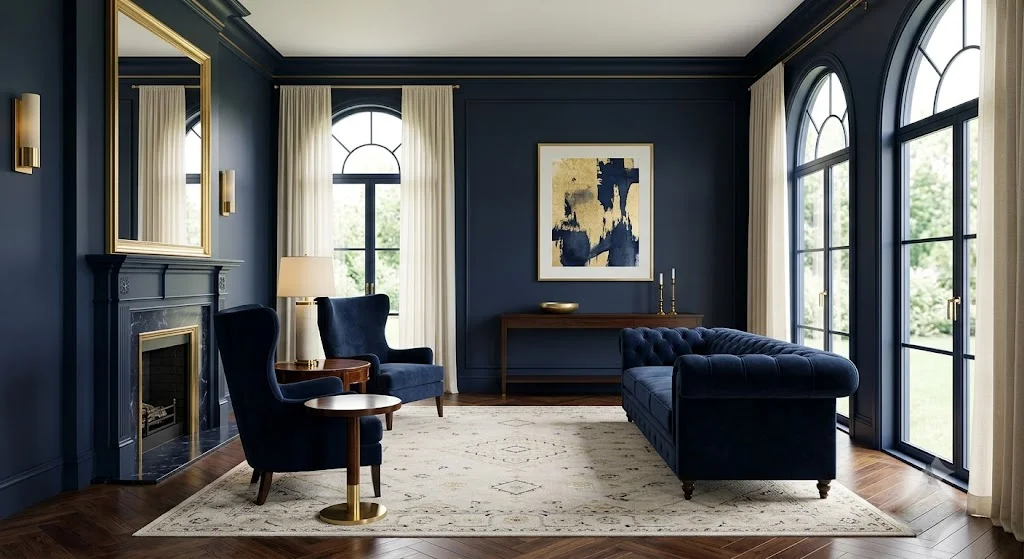
Pick one main color, one supporting color and one accent, then repeat them around the room. A calm base like warm white or soft grey lets cushions, art and rugs carry the other two colors. Test paint on a big board and watch it in morning and evening light before you commit. If you need shade ideas, these living room paint ideas show tones that work in real homes with real light.
3. Anchor the Room with a Rug
A rug defines the seating zone and softens the floor. Choose one large enough for the front legs of every seat to rest on it, which usually means at least eight by ten feet in a standard room. A rug that floats in the middle with no furniture touching it will always look lost. Natural fibers suit busy homes, while a low pile patterned rug hides crumbs and pet hair between cleans.

4. Layer Lighting at Three Heights
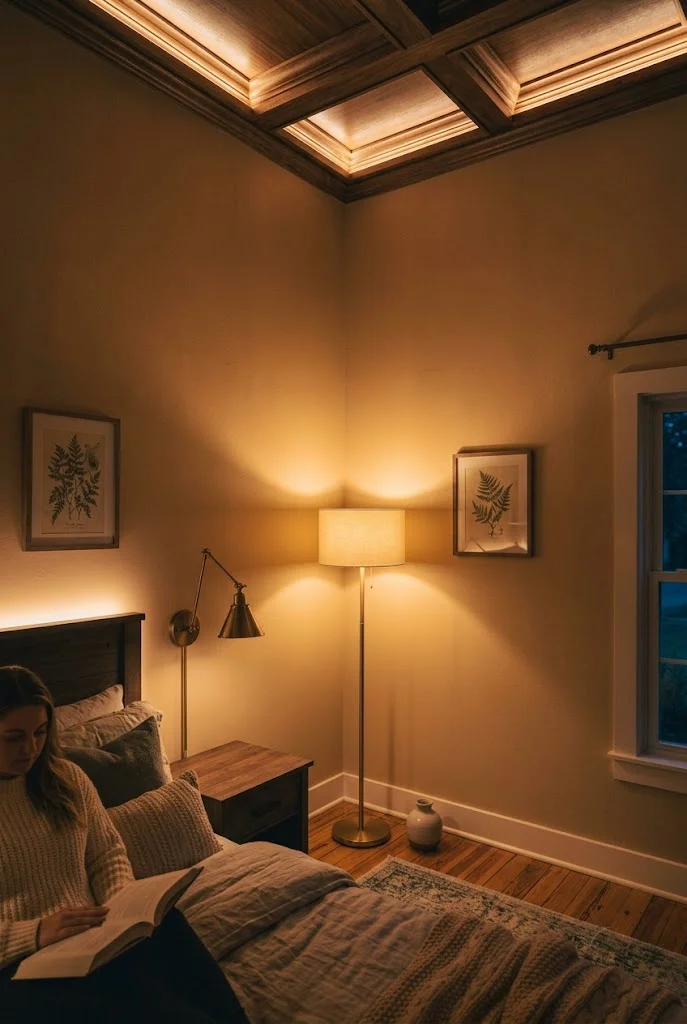
Rooms lit by one ceiling light always feel flat. Add light at three heights instead. A ceiling fitting for general light, table lamps at eye level when seated, and a floor lamp or candles low near the seating. Warm bulbs around twenty seven hundred kelvin feel welcoming in the evening. Put lamps on timers and the front room greets you with a glow when you walk in.
5. Hang Curtains High and Wide
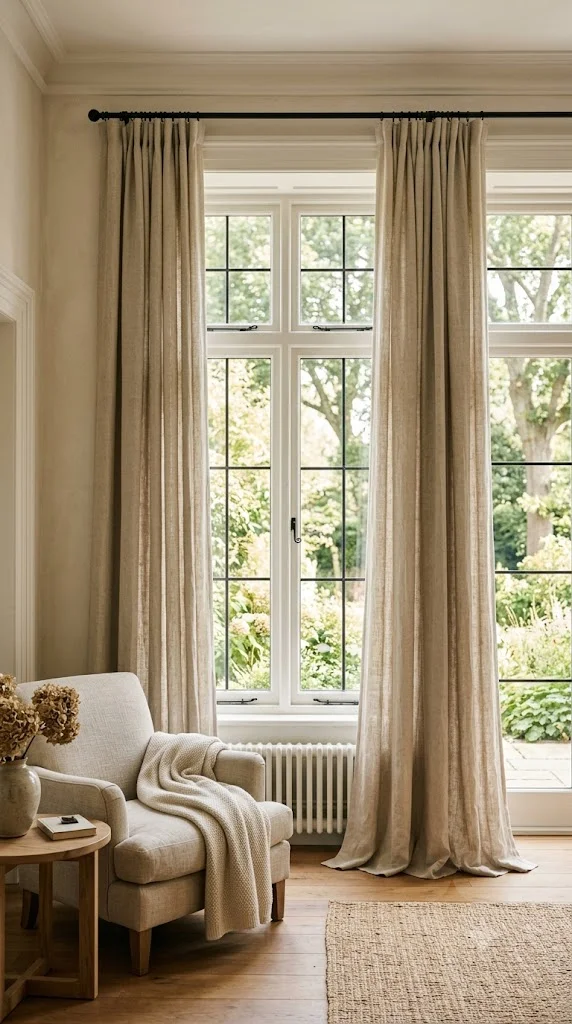
Hang the curtain rod close to the ceiling and wider than the window frame, so the fabric frames the glass instead of covering it. The room instantly looks taller, and more daylight reaches the seating. Choose curtains that just kiss the floor for a clean finish. Linen and cotton weaves keep the feeling relaxed, and a soft neutral lets your color story do the talking elsewhere.

6. Style the Coffee Table in Threes
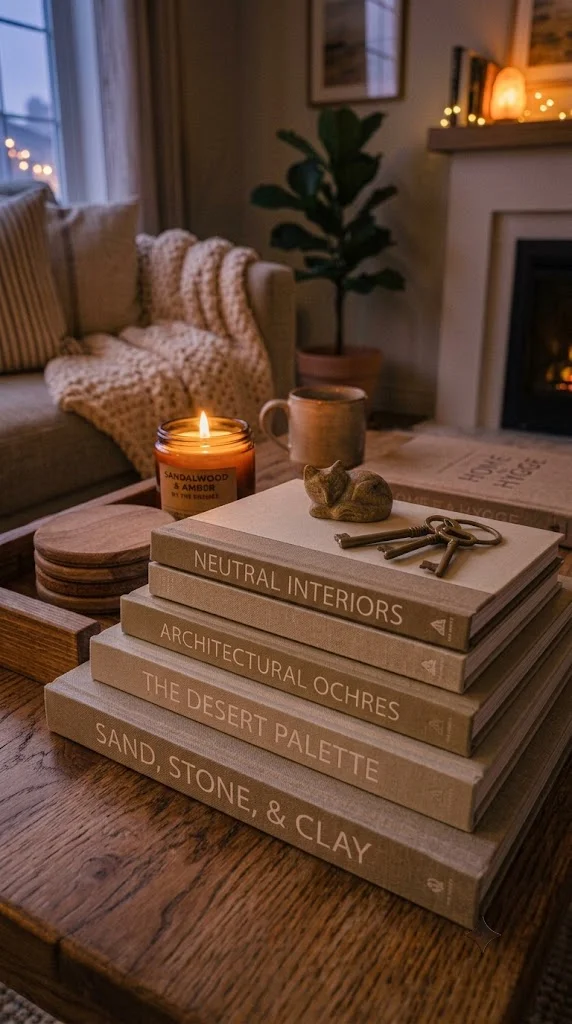
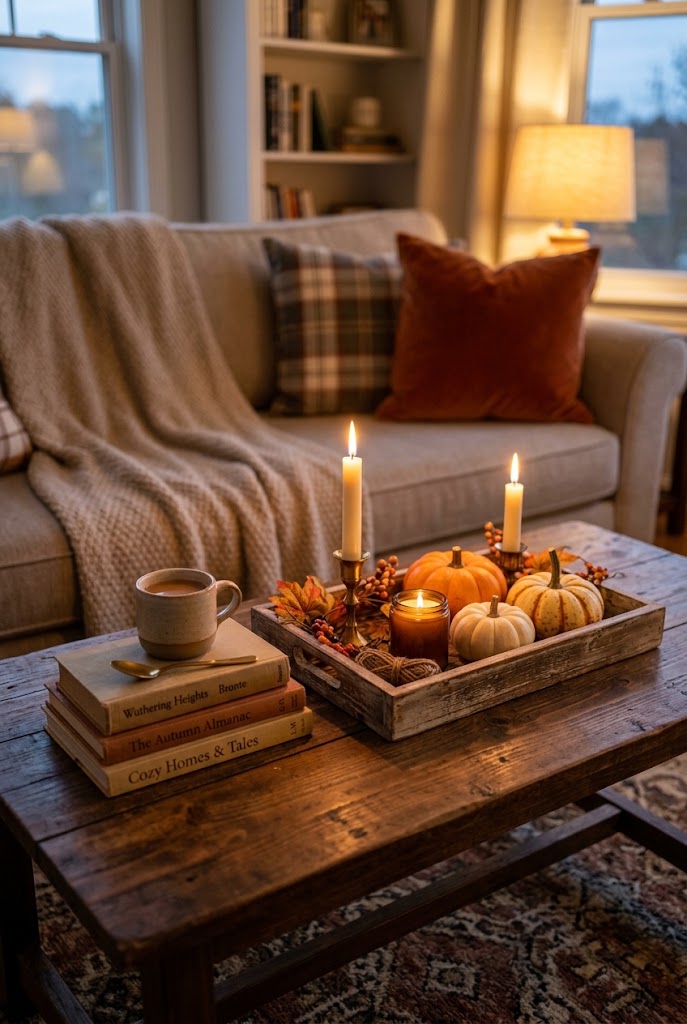
A styled coffee table needs only three things. A short stack of books, a tray or bowl, and something living like a small plant or a vase of stems. Keep heights varied and leave space for cups and remotes, because the table still has a job. This simple grouping trick also anchors many of the plant filled looks in these greenery bedroom ideas, and it works in sitting rooms just as well.
7. Add Greenery for Life
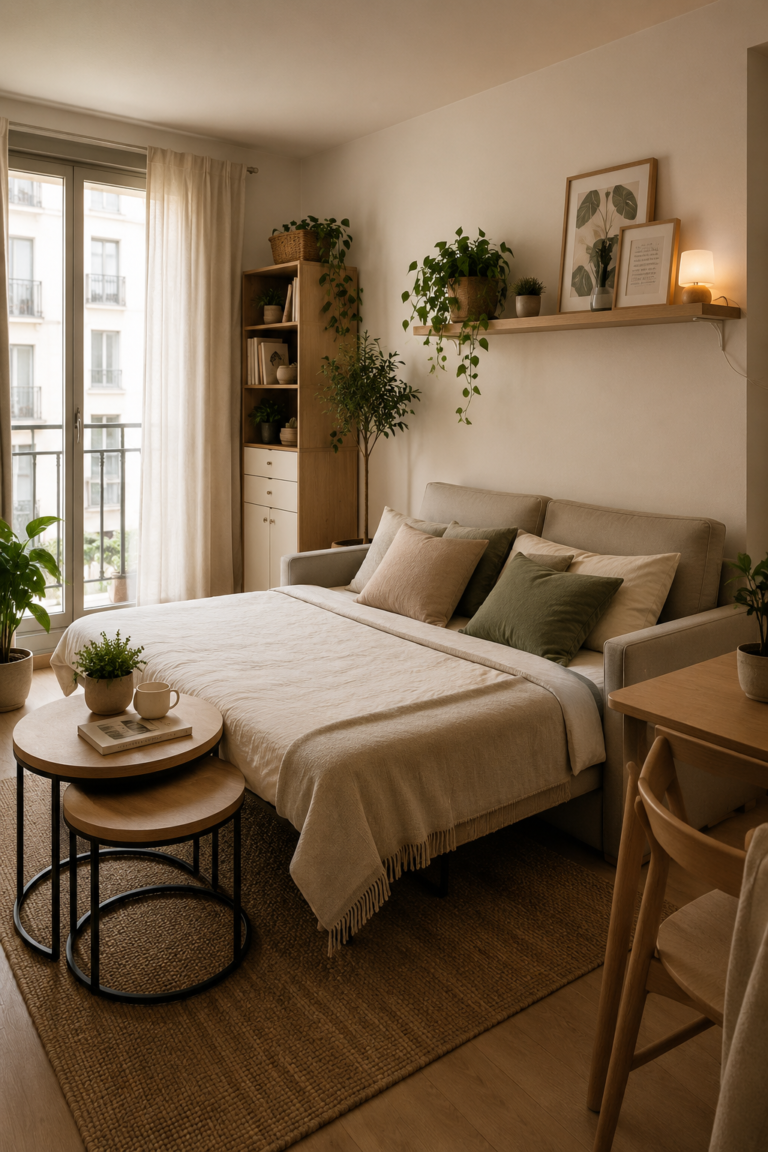
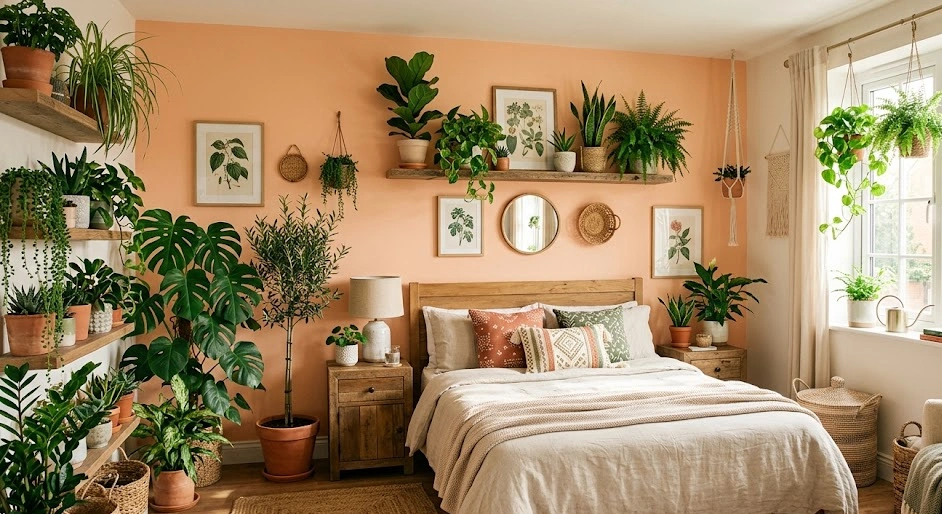
Every front room needs something green. A tall plant in an empty corner, trailing leaves on a shelf and a small vase on the table cover the room at three heights. Real plants clean the air and soften hard edges, but good faux pieces work in dark corners where nothing thrives. Keep plant colors in mind too, because deep green acts like a neutral and pairs with almost every color story.
8. Hang Art at the Right Height
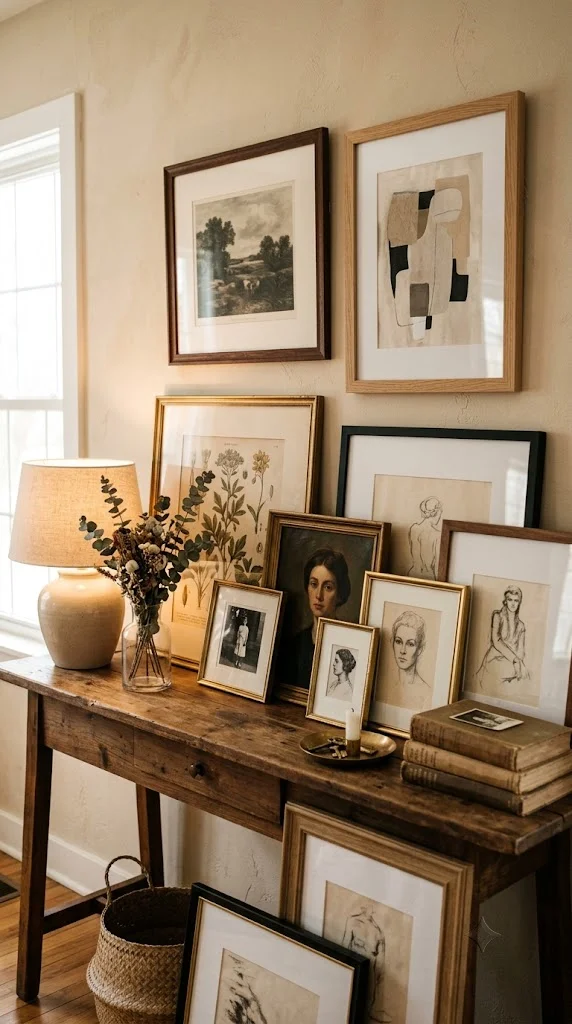
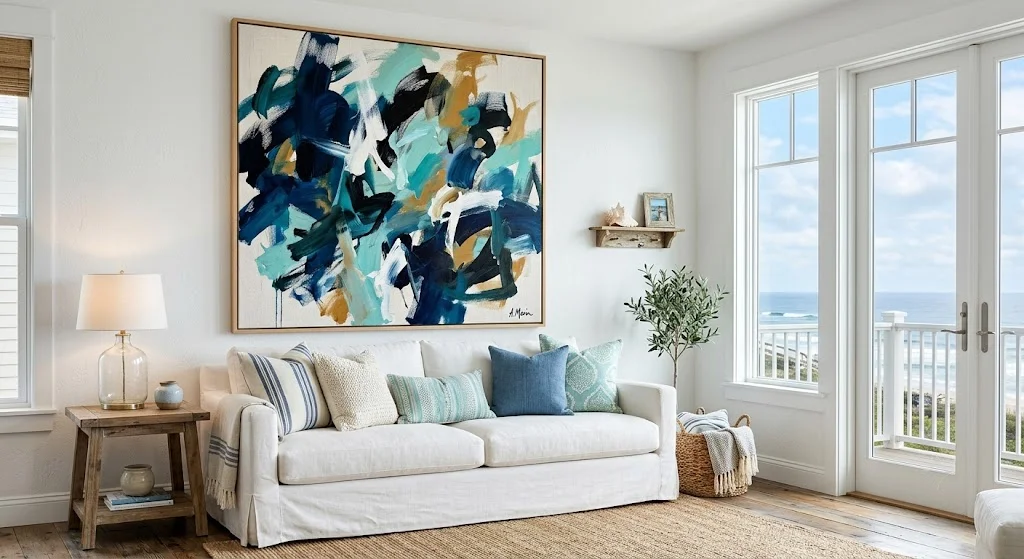
The center of your art should sit about fifty seven inches from the floor, which is eye level for most people. Above a sofa, hang the frame so its bottom edge rests six to eight inches over the backrest. One large piece feels calmer than many small ones competing for attention. If you group small frames, lay the arrangement on the floor first and photograph it before making any holes.
9. Mix Cushions and Throws with Texture
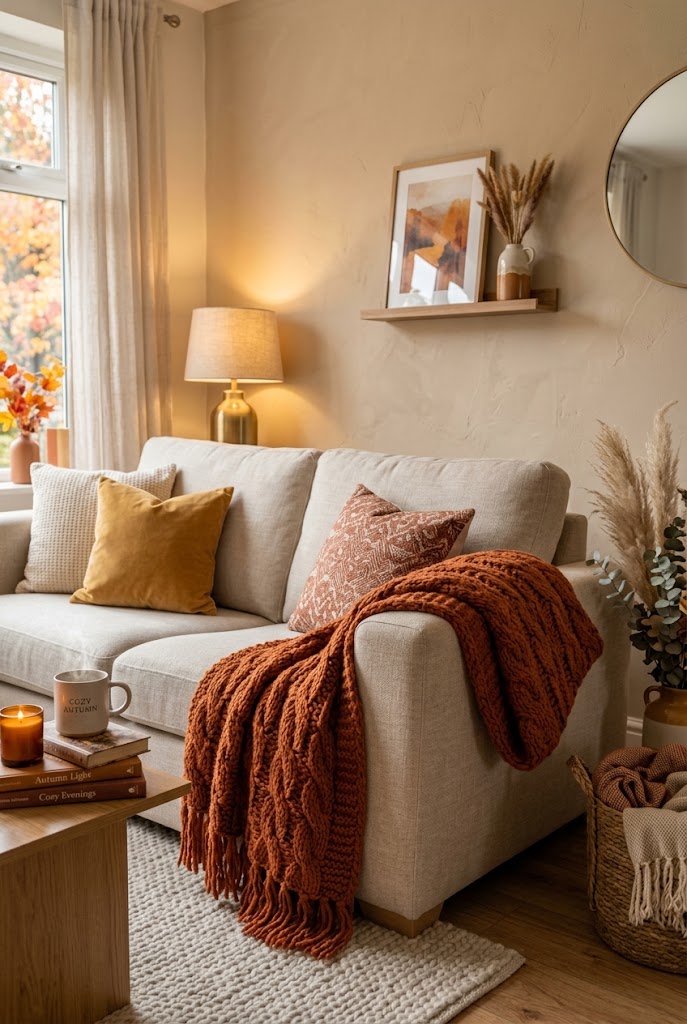
Cushions are the cheapest way to refresh a front room. Mix two or three colors from your story and vary the textures, like linen, velvet and a knitted throw. Use odd numbers, three or five on a sofa, and keep sizes mixed with the largest at the back. Store spare covers in a basket so you can swap the mood with the seasons in minutes.
10. Create a Reading Corner
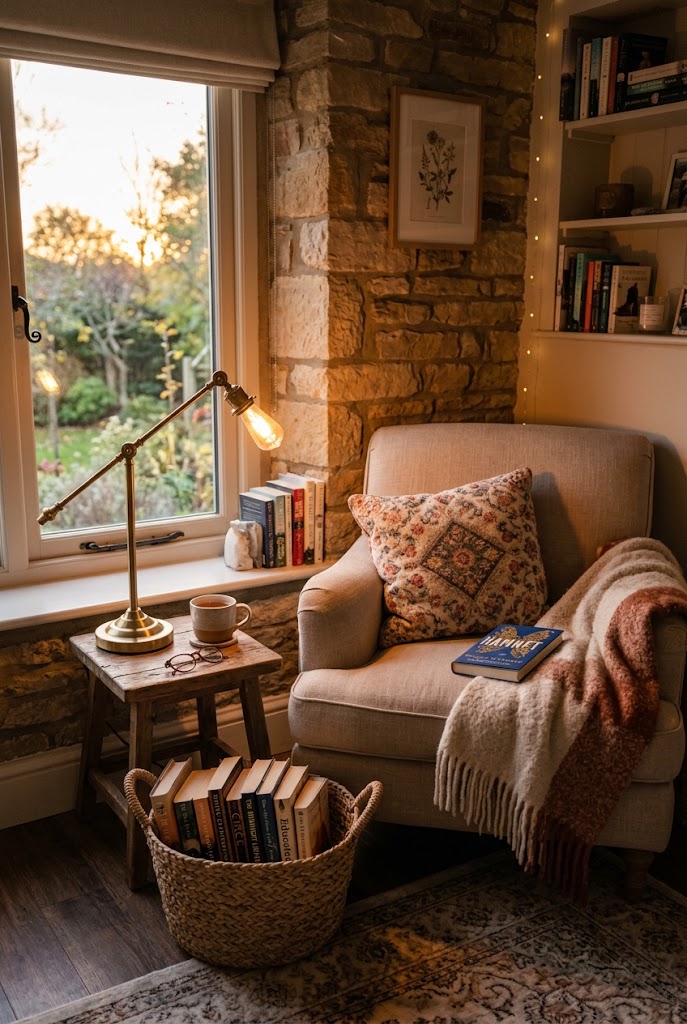
One chair, one lamp and one small side table make a reading corner that everyone fights over. Place it near a window for daylight or in a quiet corner away from the television. Add a folded throw and a tiny shelf or basket for books. This corner also gives the room a second purpose, which matters in homes where the front room must serve as library, office overflow and guest space.
11. Hide the Clutter in Closed Storage
Open shelves look lovely in photos and dusty in real life. Choose at least one closed piece, like a cabinet or storage ottomans, for remotes, chargers, games and blankets. When clutter has a home behind doors, the room resets in two minutes before guests arrive. The entry into the room sets the tone too, so borrow a trick from these small entryway decor ideas and keep the doorway zone clear.
12. Finish with Scent and Small Details
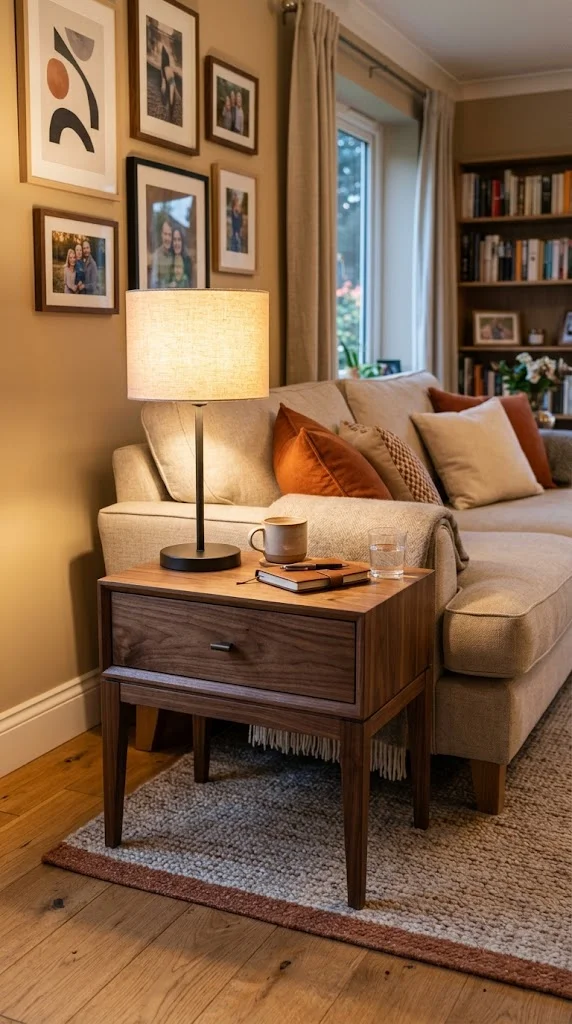
The last layer is the one guests remember. A candle or reed diffuser near the door, a soft throw within reach, coasters on the table and a small dish for keys all say this room is cared for. In the colder months, styling near the door can echo your front porch christmas decor ideas so the welcome starts outside and continues in. Walk the room at night and adjust anything that feels harsh or dark.
Final Thoughts
Decorating a front room is a sequence, not a shopping trip. Layout, color, rug, light and layers, in that order, will carry you to a room that feels warm and works hard. Do one step at a time, live with it for a few days, then move to the next. Within a few weekends your front room becomes the space everyone chooses first.