Window Treatment Ideas: 12 Styles With Real Sizing & Hanging Rules
I’ve helped plan window treatments for more rooms than I can count, and the difference between a window that looks professionally finished and one that looks slightly off almost always comes down to measurements — rod height, curtain length, and mounting width — not the fabric or style itself. Below are 12 window treatment ideas, each with the practical sizing details most guides skip, plus the core rules that apply regardless of which style you choose.
The Rules Every Window Treatment Should Follow
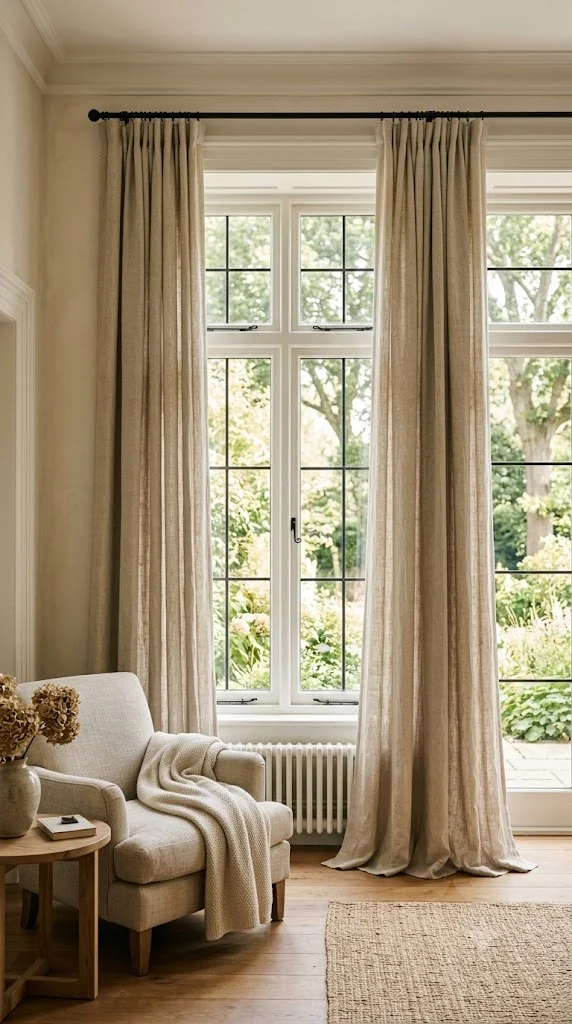
Rod height: Mount curtain rods 4-6 inches above the window frame, or higher (up to two-thirds of the way to the ceiling) if you want the illusion of a taller window and ceiling — this is one of the single most effective tricks for making a room feel larger.
Rod width: Extend the rod 4-8 inches beyond each side of the window frame, so curtains can fully clear the glass when open, letting in maximum light rather than blocking part of the window even when “open.”
Curtain length: For a finished, intentional look, curtains should either just barely graze the floor (within half an inch) or break slightly onto the floor by 1-2 inches (“puddle” only if intentional). Curtains that stop short of the floor by several inches read as ill-fitting rather than styled.
Fullness: For a properly gathered look rather than flat, skimpy panels, total curtain width (both panels combined) should be roughly 2-2.5 times the width of the window itself.
1. Classic Floor-Length Curtains
Full-length curtain panels remain the most versatile window treatment option, working across nearly every style from traditional to modern, and they’re one of the few treatments that also improve a room’s insulation and light-blocking by default.
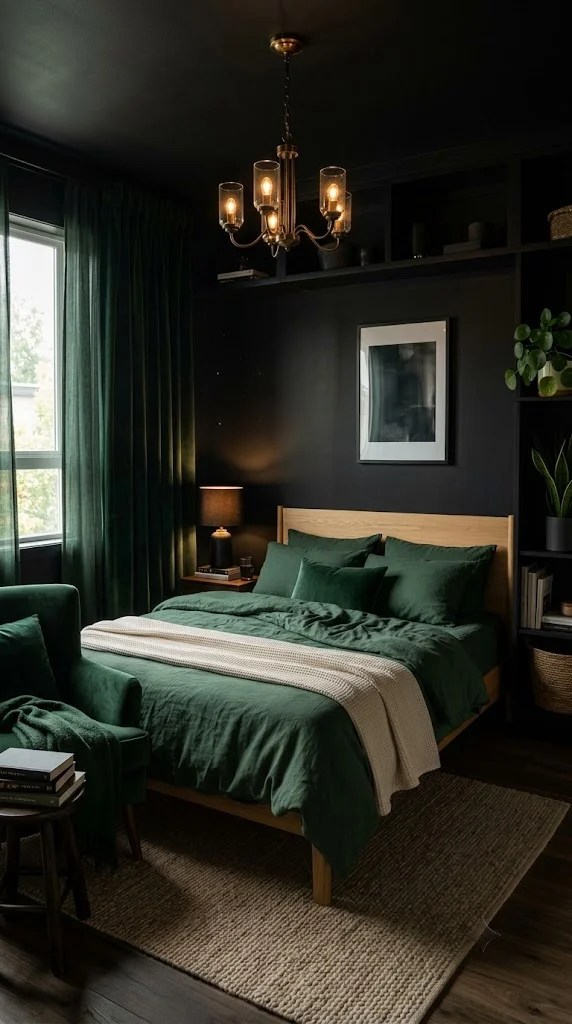
I’d choose a lightweight linen or cotton blend for a casual, everyday look, or a heavier velvet or blackout-lined fabric for bedrooms specifically, where light control and insulation both matter more than in a living space.
Best for: any room. Budget tier: low-to-mid ($40-150 per panel depending on fabric.)
2. Sheer Curtains for Soft Light
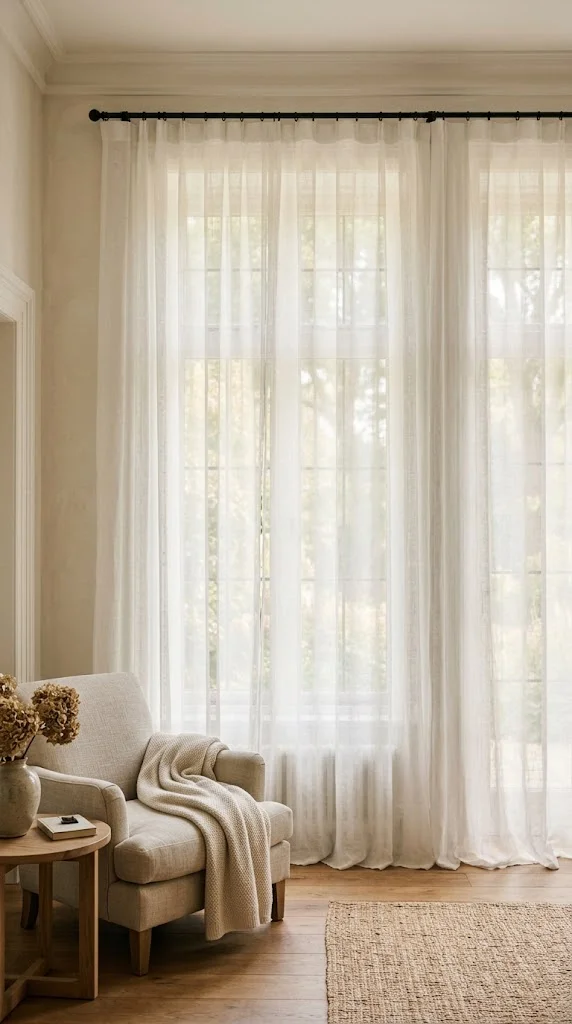
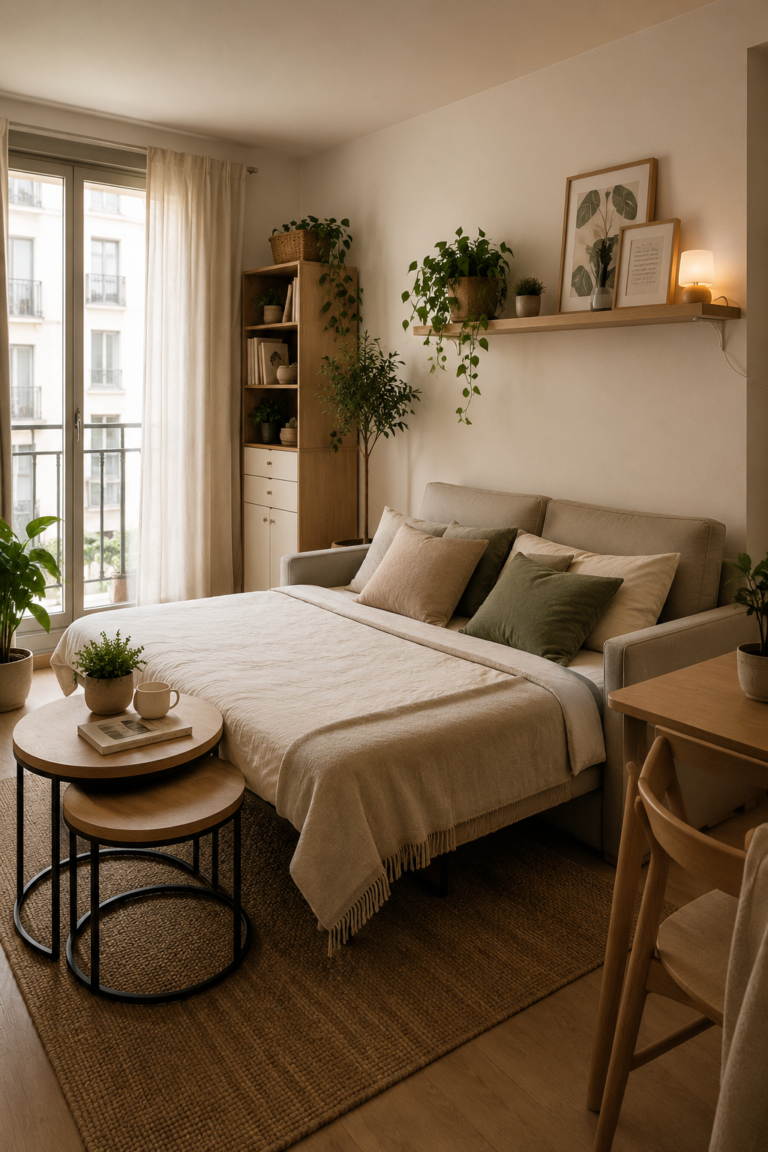
Sheer panels filter direct sunlight into a softer, diffused glow while still maintaining privacy during the day, and they work especially well layered behind a heavier curtain rather than as the sole treatment on a street-facing window.
I’d hang sheers on a second, closer-set rod behind the main curtain rod if layering, which lets both treatments move independently rather than bunching together on a single rod.
Best for: living rooms, dining rooms, or any room prioritizing natural light. Budget tier: low ($20-60 per panel.)
3. Roman Shades
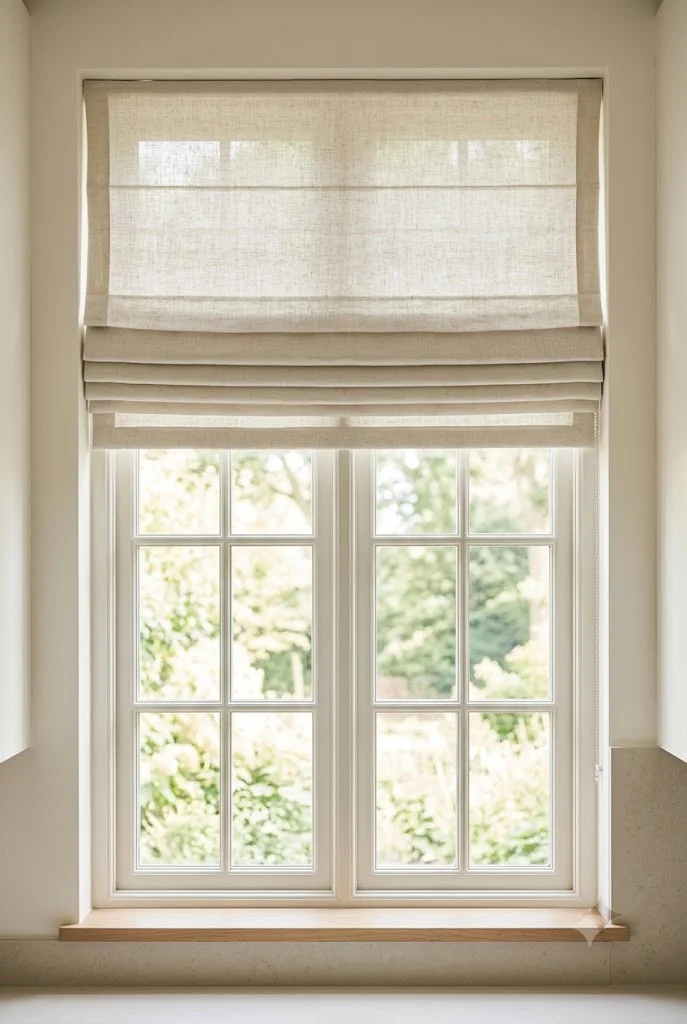
Roman shades fold into neat horizontal pleats when raised, offering a tailored, clean look that works well in rooms where you want a treatment that reads as more structured than flowing curtain panels.
I’d choose a mounting style carefully here — an “inside mount” (fitted within the window frame) gives the cleanest, most built-in look, while an “outside mount” (mounted above and around the frame) works better if your window frame is shallow or uneven.
Best for: kitchens, bathrooms, or any room wanting a tailored look without floor-length fabric. Budget tier: mid ($60-200 per window.)
4. Cellular (Honeycomb) Shades
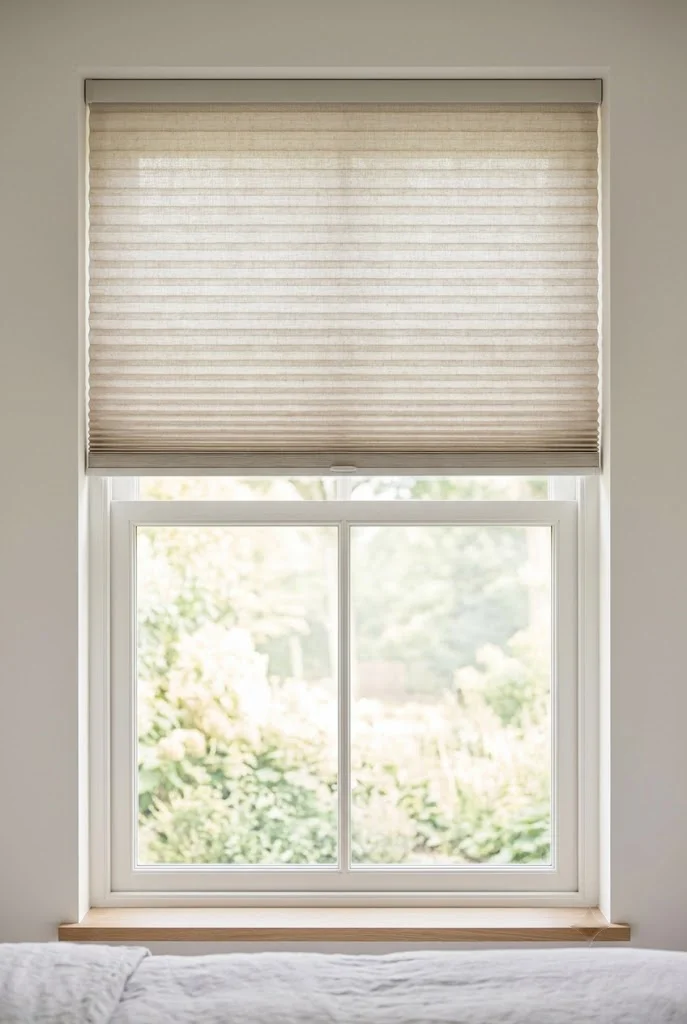
These shades use a honeycomb-structured fabric that traps air, making them one of the more energy-efficient window treatment options available, in addition to their clean, minimal appearance.
I’d choose a light-filtering fabric for living spaces where you still want daytime brightness, or a blackout version specifically for bedrooms, since the difference in light control between the two is significant.
Best for: bedrooms, home offices, or rooms where energy efficiency and light control both matter. Budget tier: mid-to-high ($80-250 per window.)
5. Wood or Faux-Wood Blinds
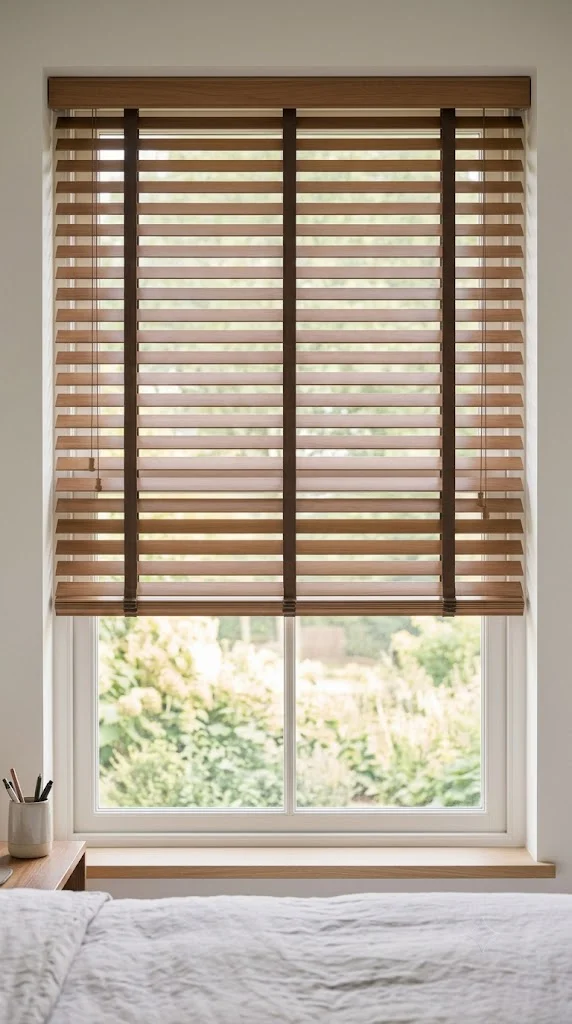
Horizontal wood or faux-wood blinds offer precise light control through adjustable slats and suit both traditional and modern spaces depending on the wood tone and slat width chosen.
I’d choose faux-wood specifically for bathrooms, kitchens, or any room with humidity exposure, since real wood can warp over time in consistently damp conditions, while faux-wood holds up without that risk.
Best for: home offices, kitchens, or rooms wanting adjustable light control. Budget tier: low-to-mid ($30-120 per window.)
6. Layered Curtains and Blinds
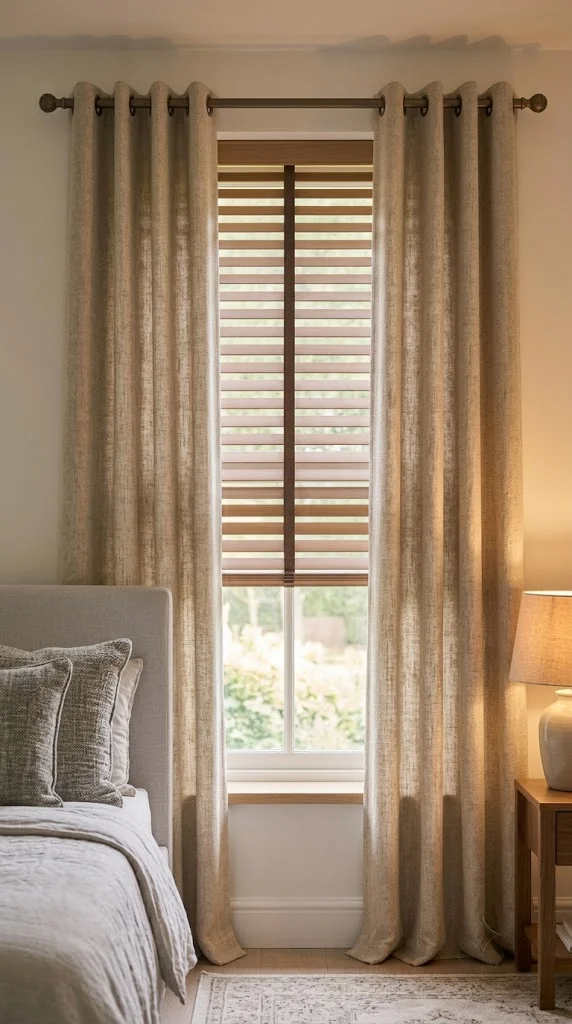
Combining a functional blind or shade underneath with decorative curtain panels on top gives you the best of both — precise daily light control from the blind, and a finished, styled look from the curtains framing the window.
I’d choose curtains primarily for their visual role in this combination, since the blind is doing the functional light-control work, freeing you to prioritize fabric and color over blackout performance in the curtain choice itself.
Best for: bedrooms and living rooms wanting both function and a fully styled look. Budget tier: mid-to-high (combines both treatment costs.)
7. Cafe Curtains
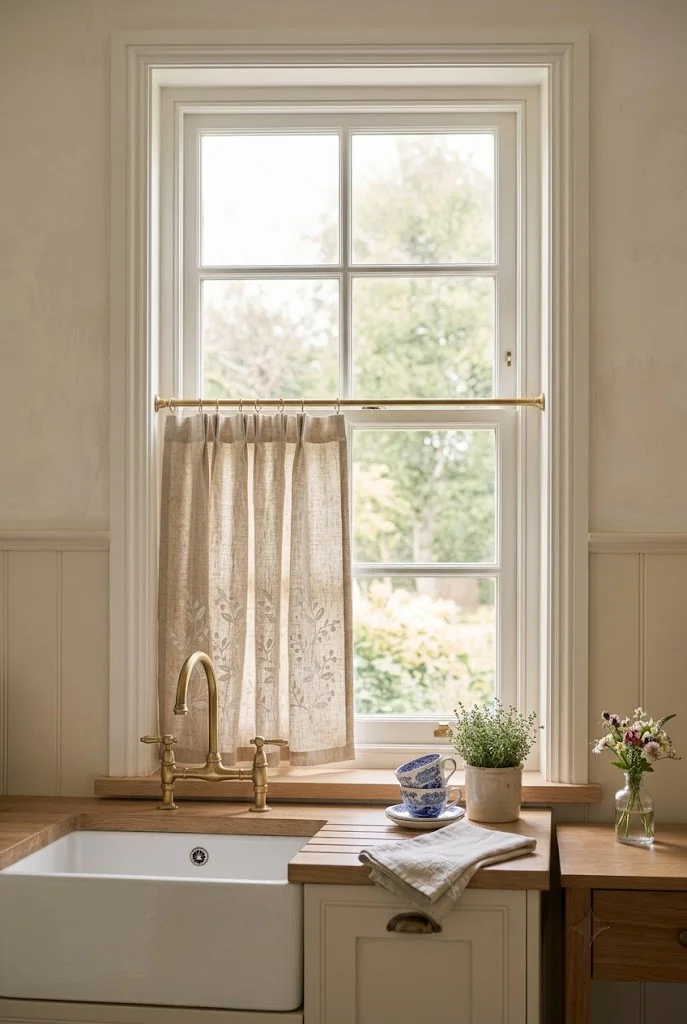
Cafe curtains cover only the lower half of a window, mounted on a rod at the window’s midpoint, offering privacy at eye level while still allowing natural light through the top portion of the glass.
I’d use this style specifically for kitchen windows above a sink, or any window where you want privacy without sacrificing all-day natural light from the upper pane.
Best for: kitchens, bathrooms, or windows facing a street or neighboring building at eye level. Budget tier: low ($20-60 per panel.)
8. Woven Wood (Bamboo) Shades
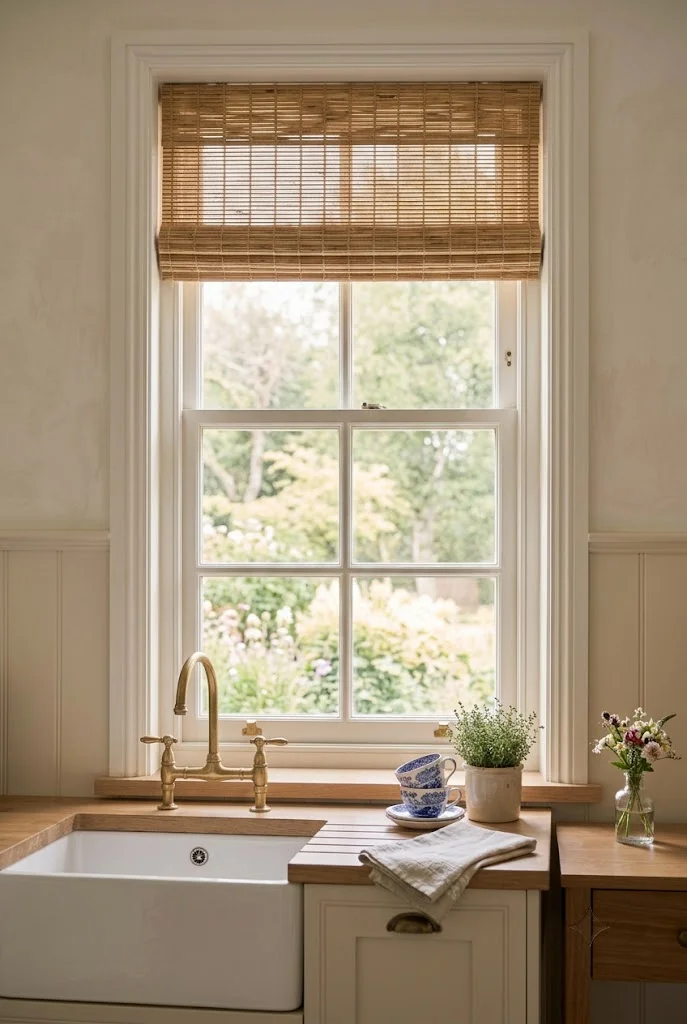
Natural woven shades bring texture and warmth to a window treatment, working especially well in boho, coastal, or organic modern interiors where a fabric curtain might feel too soft or formal for the room’s aesthetic.
I’d choose a version with a blackout or privacy liner if using this in a bedroom specifically, since standard woven shades on their own let in more light and visibility than most people expect.
Best for: living rooms, sunrooms, or boho/coastal-styled spaces. Budget tier: mid ($50-180 per window.)
9. Valances for a Finishing Layer
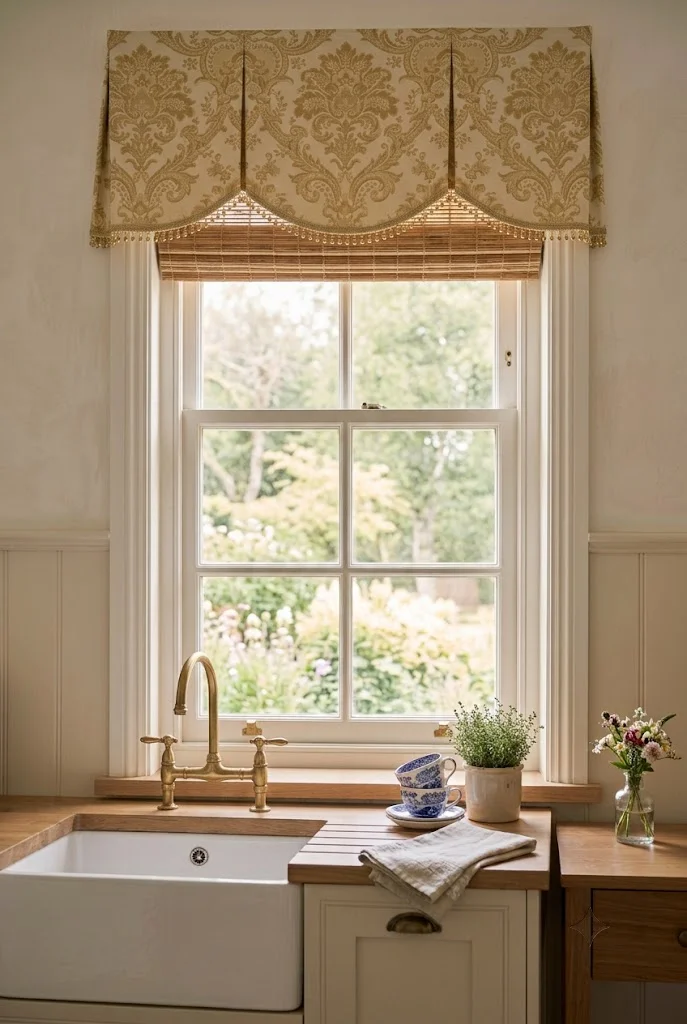
A valance — a short decorative fabric treatment mounted at the top of a window — adds a finished, tailored look above functional blinds or shades, hiding the hardware while adding a layer of color or pattern.
I’d size a valance to cover roughly the top 15-20% of the window’s total height, proportional enough to look intentional without overwhelming a shorter window.
Best for: kitchens or traditional-style rooms wanting a polished, layered look. Budget tier: low ($20-70.)
10. Motorized Smart Shades
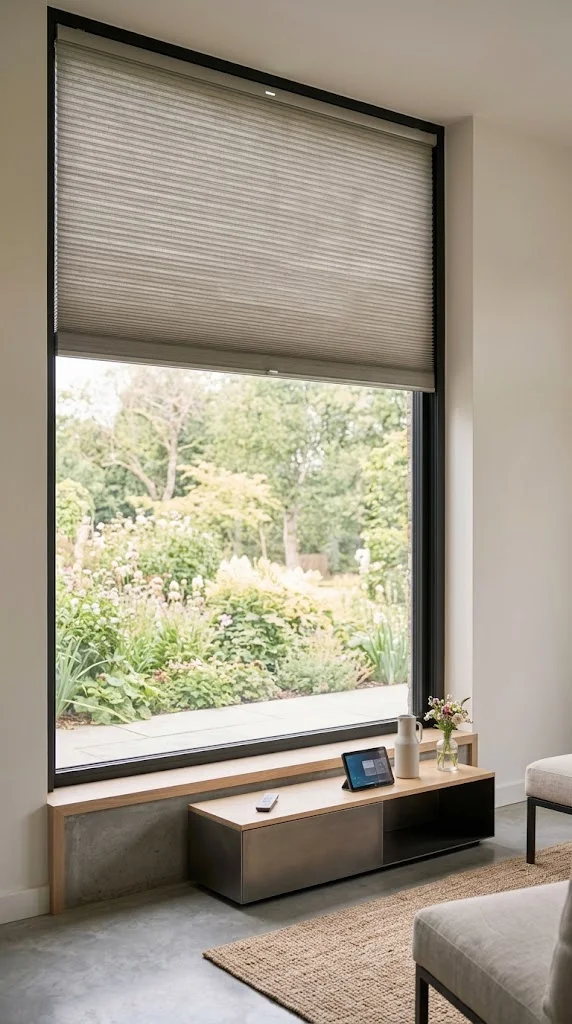
Motorized shades, controlled via remote or smartphone app, offer genuine daily convenience for hard-to-reach windows and can also be scheduled to open and close automatically for both light management and basic home security.
I’d prioritize this upgrade specifically for large or high windows where manual operation is genuinely difficult, since the cost premium is harder to justify on a small, easily reachable window.
Best for: large windows, skylights, or smart-home-focused households. Budget tier: high ($150-500+ per window.)
11. Curtain Rings for a Tailored Hang
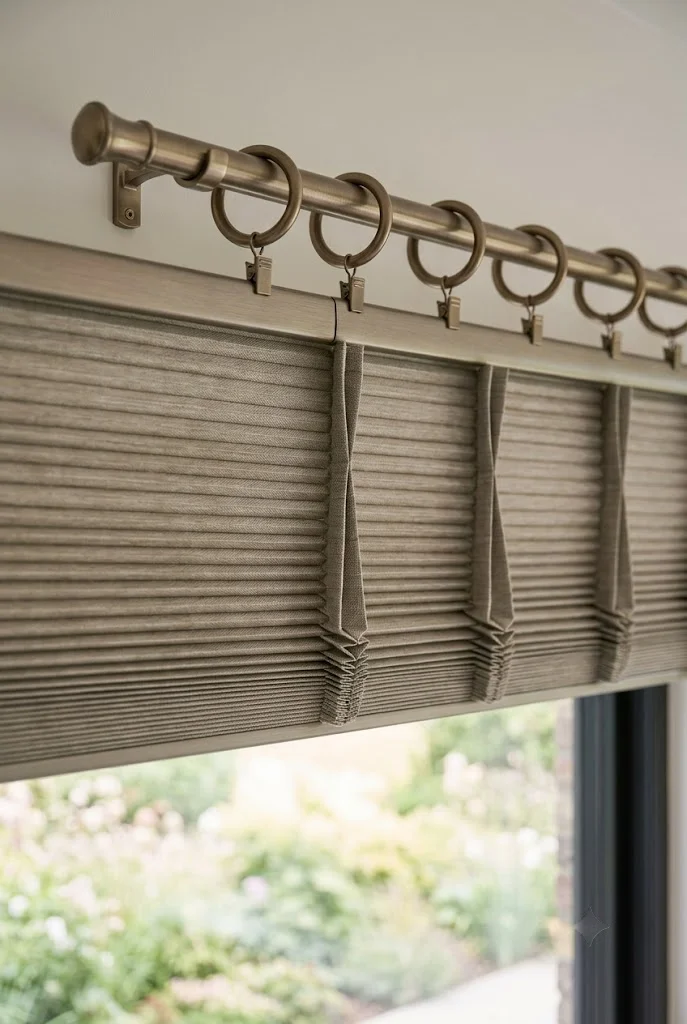
Rather than a rod pocket (where the curtain fabric bunches directly on the rod), curtain rings create a more tailored, evenly pleated look and allow the curtains to slide open and closed far more smoothly.
I’d choose rings with clips specifically for lighter fabrics, and rings with an integrated pole pocket for heavier drapery, since heavier fabric can pull loose from clip-style rings over time.
Best for: any room wanting a more polished, boutique-hotel-style hang versus a casual gathered look. Budget tier: low add-on cost ($15-40 for a full set.)
12. No Treatment (Bare Windows) as a Style Choice
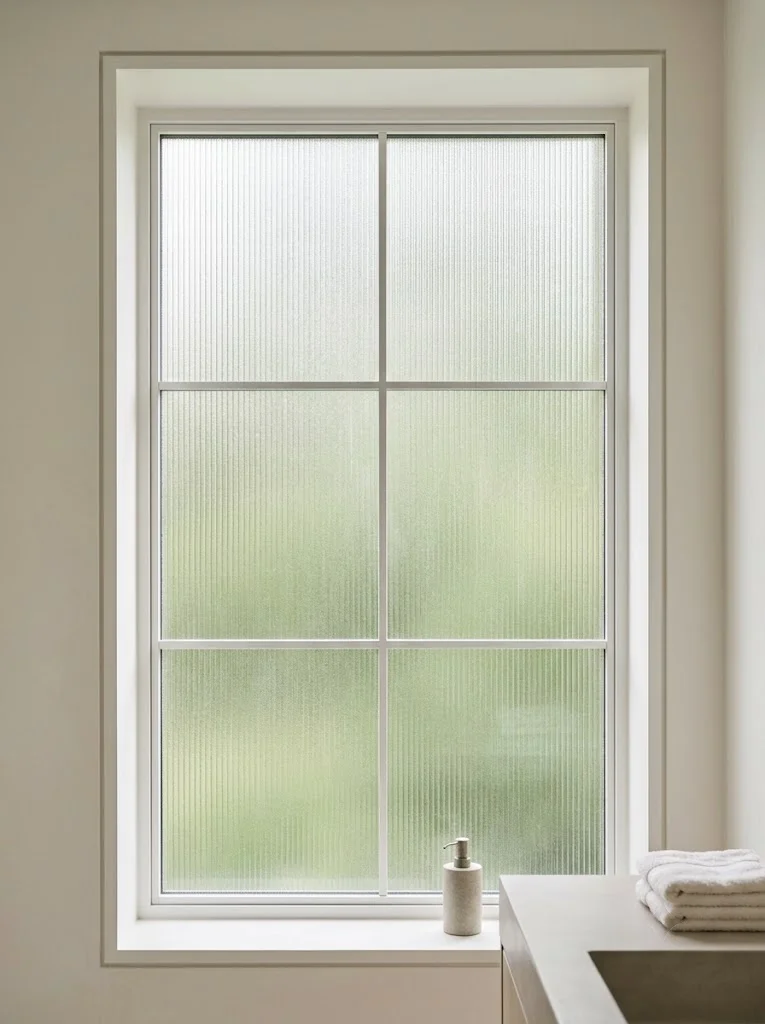
In select rooms — a small powder room with frosted or textured glass, or a window with a private, non-overlooked view — leaving a window bare is a legitimate, increasingly popular minimalist choice rather than an oversight.
I’d only recommend this where privacy genuinely isn’t a concern, and I’d still consider a simple architectural detail (interior shutters, a trim upgrade) to keep the window from feeling unfinished if going treatment-free.
Best for: private, non-street-facing windows, or already-frosted/textured glass. Budget tier: none, or low if adding architectural trim detail.
My Professional Guide to Choosing the Right Window Treatment
I always start with function before style — does this window need daily light control, privacy from the street, insulation, or purely decorative framing? A bedroom window facing an early sunrise has very different needs than a living room window with a private backyard view, even if they’re similar in size.
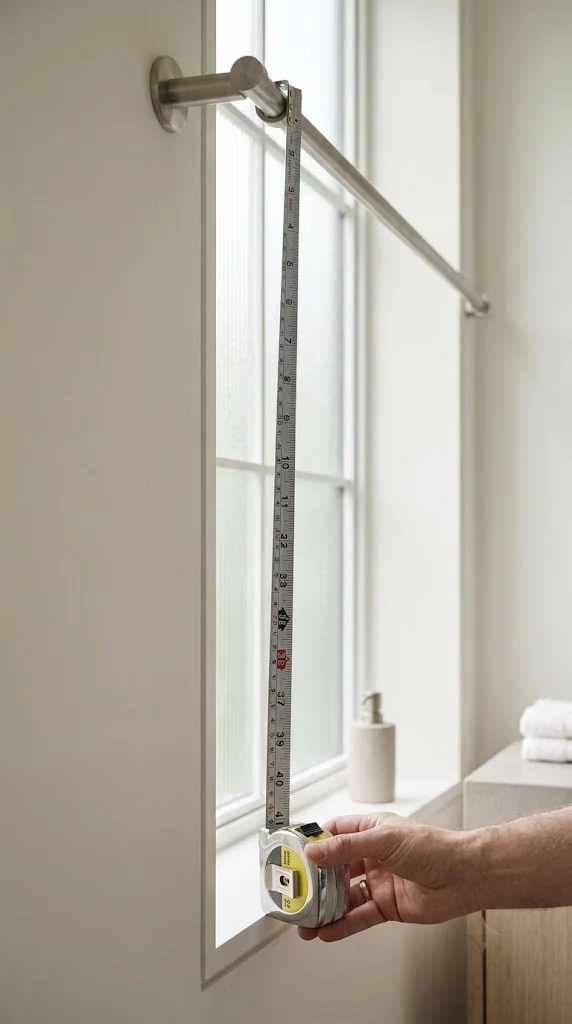
From there, I measure carefully before shopping for anything. The rod height and width rules above matter more to the finished look than fabric choice, and getting them wrong is one of the most common, most fixable mistakes in an otherwise well-decorated room.
Finally, I’d think about layering rather than choosing a single treatment by default. A blind or shade for daily function, paired with curtains for a finished look, consistently reads as more considered and complete than either treatment alone, even in a simple, budget-conscious room.
Conclusion
Window treatments come down to matching real function (light control, privacy, insulation) to your specific window and room, then applying a handful of consistent sizing rules — rod height, width, and curtain length — regardless of which style you choose. Get the measurements right first, and even a simple, affordable treatment will read as intentional and finished.
Frequently Asked Questions
How high should curtain rods be mounted?
4-6 inches above the window frame for a standard look, or higher (up to two-thirds toward the ceiling) if you want the illusion of a taller window and room.
How long should curtains be?
Curtains should either just barely graze the floor or break slightly onto it by 1-2 inches. Stopping several inches short of the floor generally reads as ill-fitting rather than intentional.
What’s the difference between blinds and shades?
Blinds use individual slats that tilt for adjustable light control, while shades are a single piece of fabric that raises and lowers as one unit, generally offering a cleaner, more minimal look.
Do I need curtains and blinds, or just one?
Either works, but layering a functional blind or shade with decorative curtains on top typically gives the most complete, finished look while still providing precise daily light control.