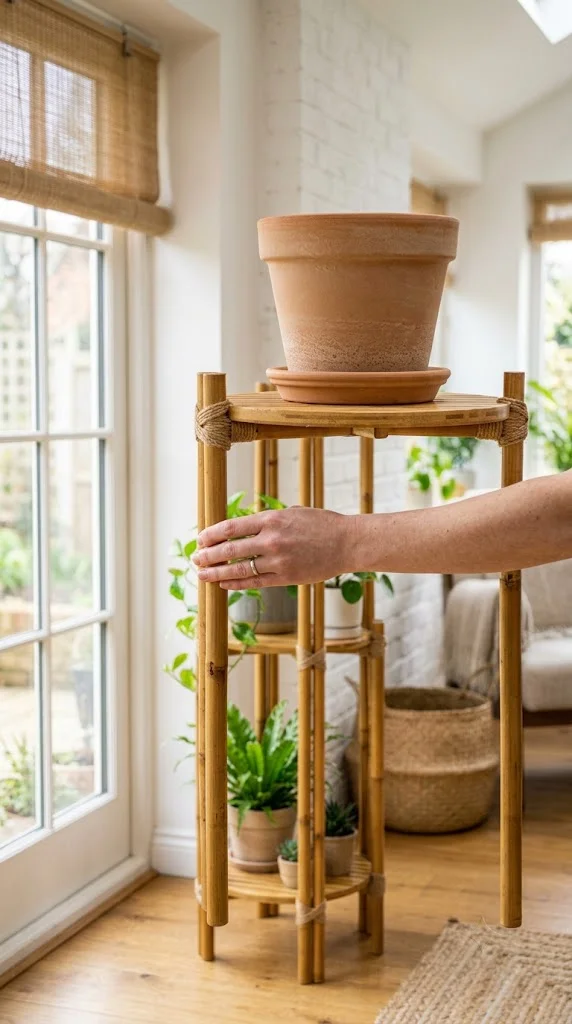
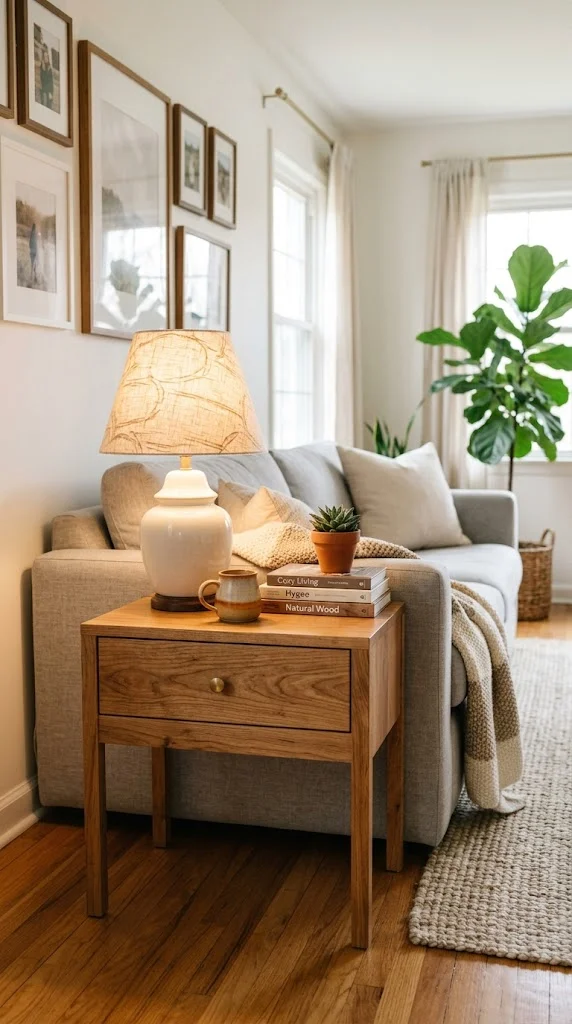
How to Choose the Perfect Living Room Side Table: 10 Types & Styles
I’ve helped plan more living room layouts than I can count, and the side table is consistently the piece people either skip entirely or get wrong on proportion. It’s a small item, but the wrong height or size next to a sofa throws off the whole seating area in a way that’s hard to place until you notice your drink is either too far to reach or your knees keep bumping the table’s edge. Below are 10 side table types and styles, each with the real measurements and material guidance that actually determine whether one works in your specific room.
The Core Sizing Rule (Before You Choose a Style)
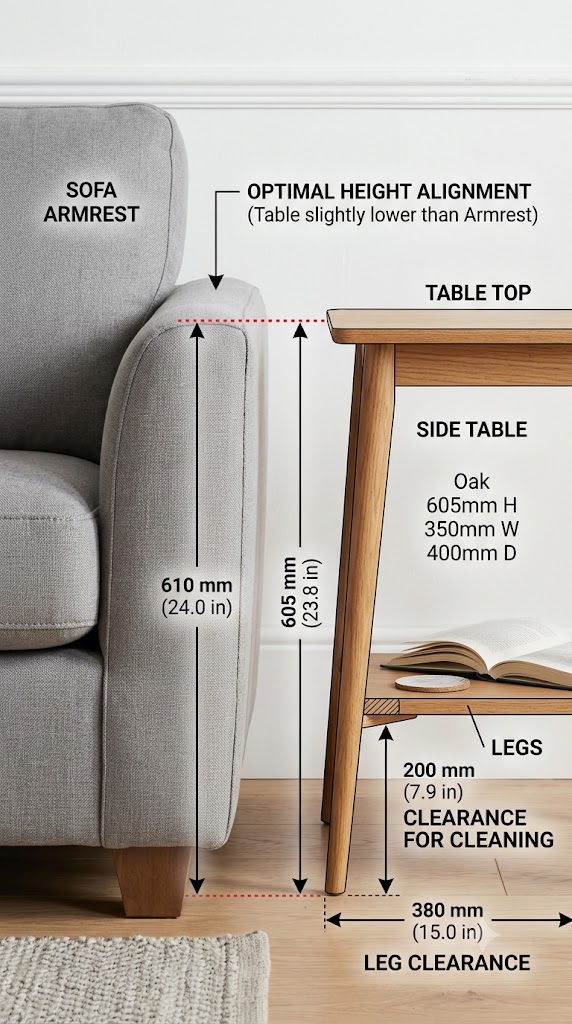
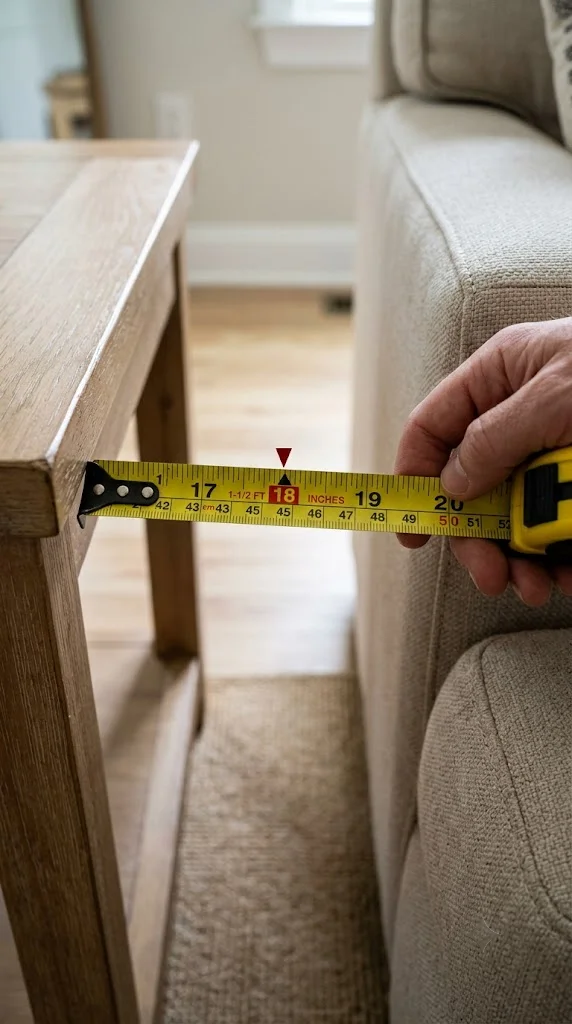
Regardless of which type you pick, a side table should sit roughly level with, or up to 2 inches below, your sofa or chair armrest — typically 22-30 inches in height for standard seating. Leave 18 inches of clearance between the table and the seating edge for comfortable legroom, and keep the table’s width proportional to the sofa so it doesn’t visually overpower or disappear next to the seating.
1. Standard End Table
This is the default choice for a reason — a simple rectangular or round table beside a sofa arm, sized to match armrest height, works as an everyday surface for drinks, remotes, and a lamp without requiring any special layout planning.
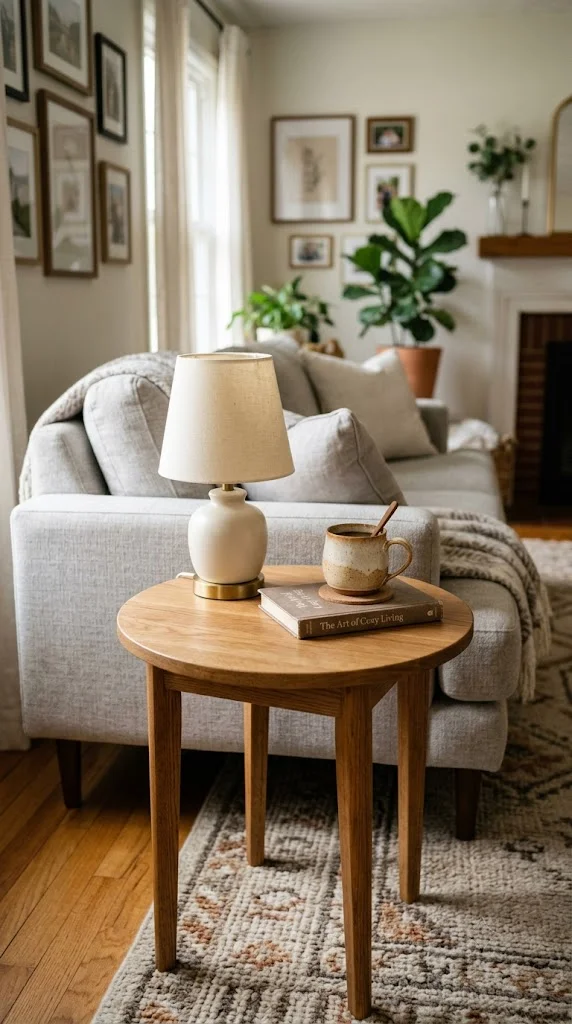
I’d choose a tabletop at least 18-24 inches in diameter or width, large enough to hold a lamp and a drink simultaneously without feeling cramped.
Best for: any standard living room layout. Budget tier: low-to-mid ($50-200 depending on material).
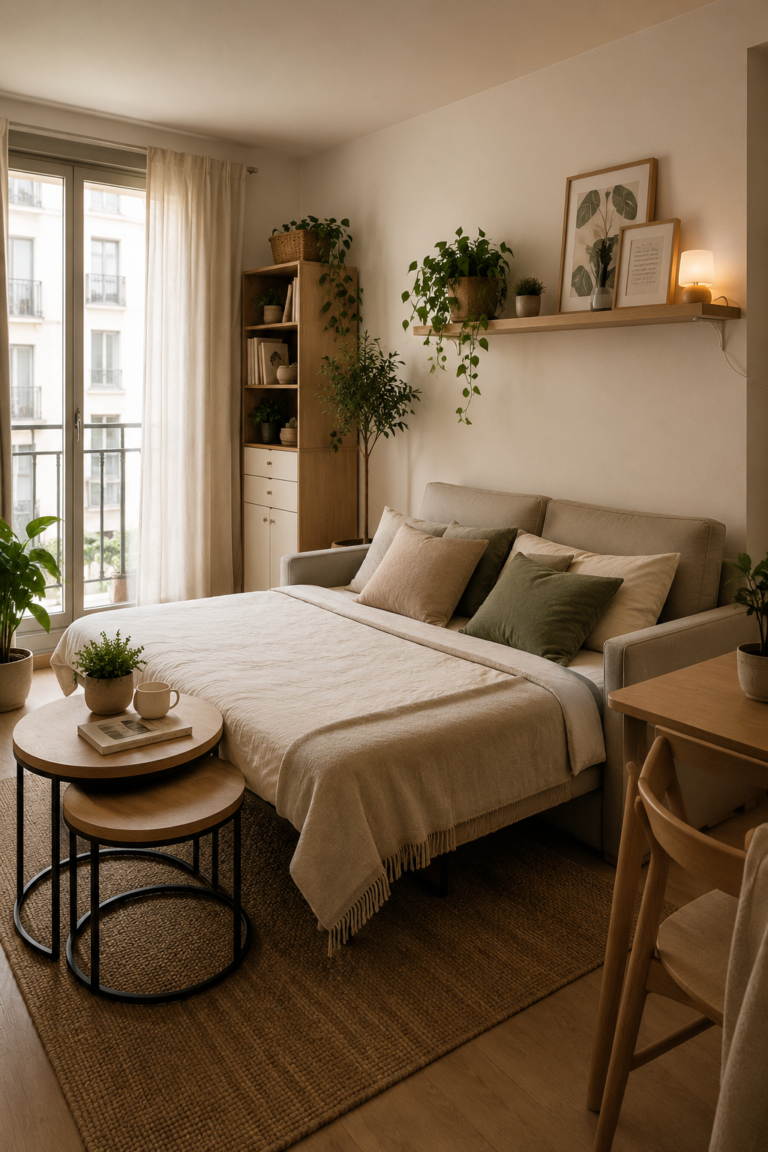
2. Nesting Table Set
Two or three graduated tables that stack together offer real flexibility — pull the smaller tables out when entertaining, then tuck them back under the largest table to save floor space day-to-day.
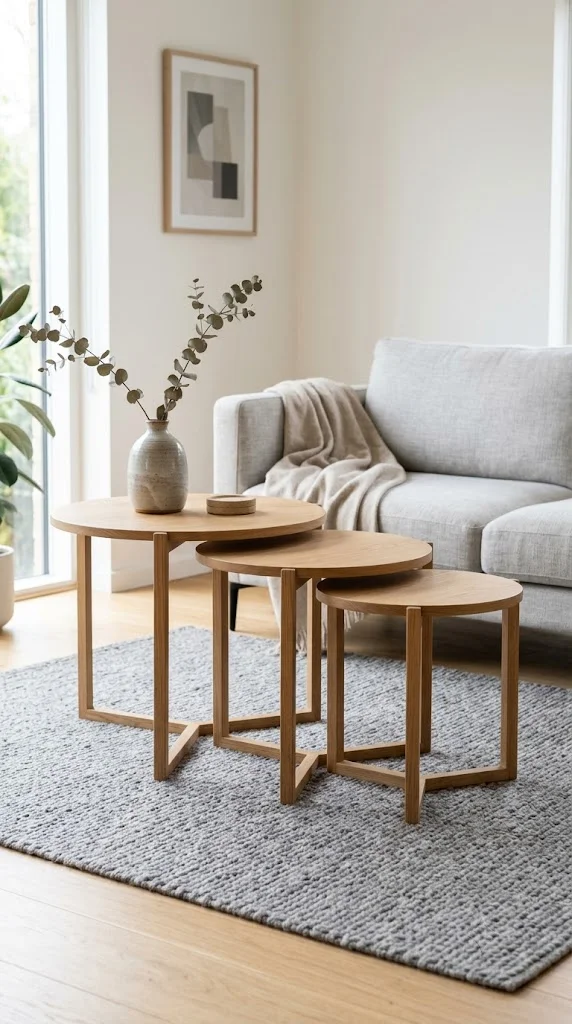
I’d choose a set with at least 4-6 inches of height difference between each table, enough that they nest cleanly without the surfaces overlapping awkwardly.
Best for: smaller living rooms or households that entertain occasionally and need flexible extra surface space. Budget tier: low-to-mid ($60-180 for a set.)
3. C-Table (Cantilever Table)
A C-shaped base lets this table slide directly over a sofa arm or seat cushion, positioning the surface right above your lap — genuinely useful for working from the couch or eating during a movie without a full tray table.
I’d measure your sofa arm height and the clearance under the table’s top before buying, since C-tables vary in how much vertical clearance they offer for different seat heights.
Best for: small apartments, tight layouts, or anyone who regularly works or eats from the couch. Budget tier: low-to-mid ($50-150.)
4. Console Side Table
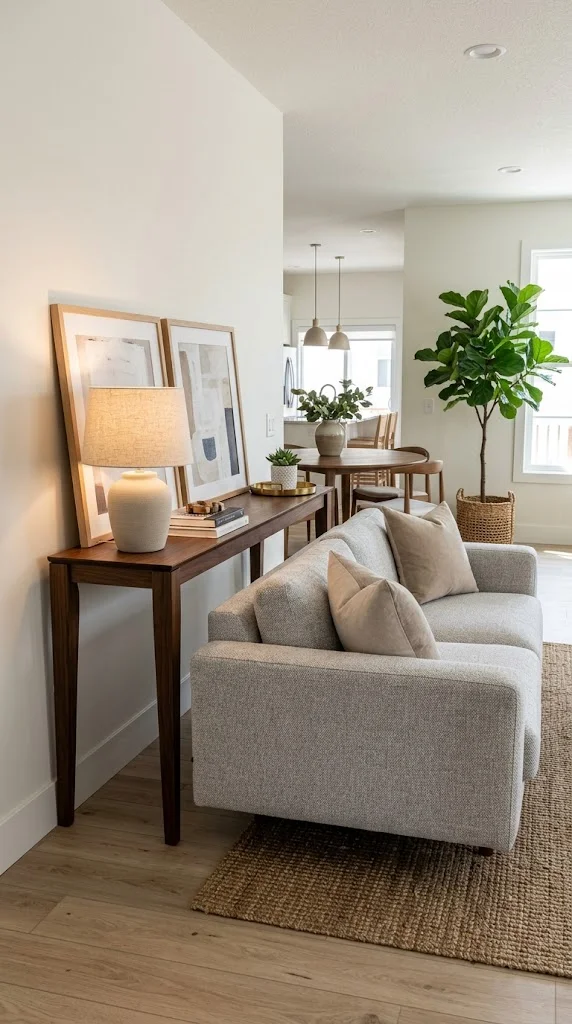
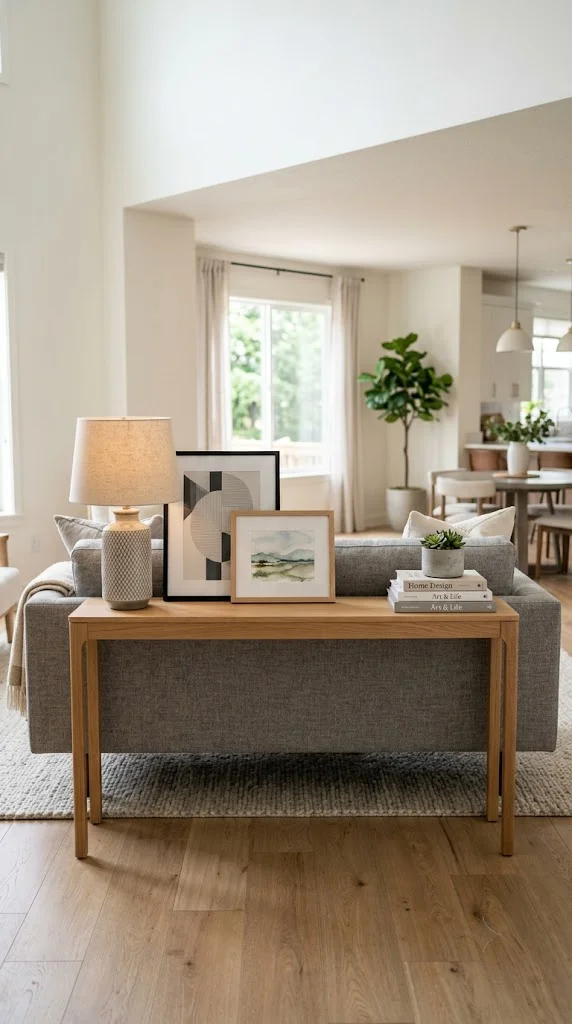
A narrow, elongated table placed against a wall or behind a sofa (rather than beside seating) works well for displaying lamps, art, or decor, and can double as an entryway-style surface in an open-concept layout.
I’d keep the depth under 14-16 inches for a behind-sofa placement specifically, so it doesn’t push the sofa forward into the room’s main walking path.
Best for: open-concept layouts, behind a floating sofa, or as a display surface rather than a functional drink table. Budget tier: mid ($100-300.)
5. Storage Side Table (Drawers or Cabinet)
A side table with a drawer or small enclosed cabinet hides remotes, chargers, or clutter directly at seating level, which matters more than people expect in a small living room without much other nearby storage.
I’d check drawer depth specifically if you plan to store anything beyond small flat items — many storage side tables prioritize a slim profile over real drawer capacity.
Best for: small living rooms without a nearby console or media unit for extra storage. Budget tier: mid ($100-250.)
6. Marble-and-Metal Table
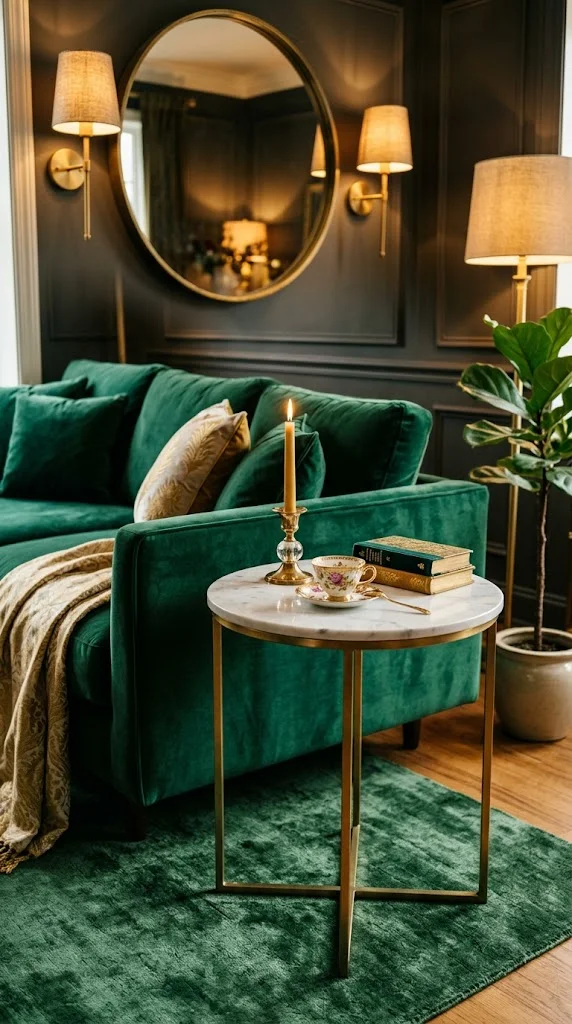
A marble or marble-look tabletop paired with a slim brass or matte black metal base is one of the more current material combinations, offering visual weight from the stone without the bulk a solid marble piece would add.
Genuine marble adds real cost and weight — I’d consider marble-look engineered stone or ceramic if working with a moderate budget, since the visual difference is minimal once styled with a lamp or decor on top.
Best for: living rooms wanting a polished, slightly glam material mix. Budget tier: mid-to-high for genuine marble ($150-400+), low-to-mid for marble-look alternatives ($75-200.)
7. Natural Wood Table
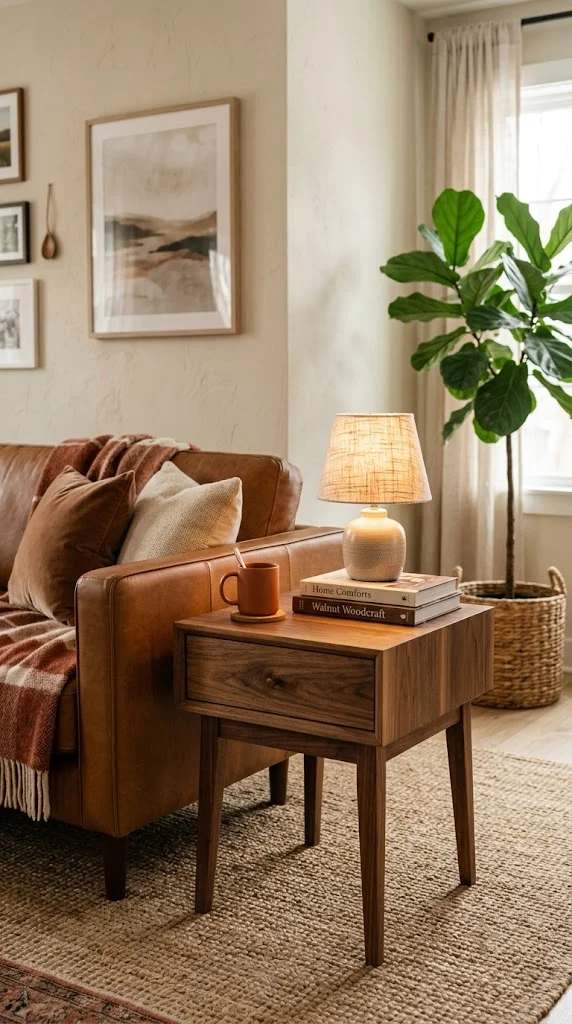
Solid wood — walnut, oak, or a lighter ash tone — brings warmth to a room and works across more style categories than almost any other material, from mid-century to farmhouse to modern.
I’d match the wood tone loosely (not necessarily exactly) to your other wood furniture in the room, since an exact match across every piece can read as more matched-set than intentionally curated.
Best for: nearly any style, especially rooms wanting warmth against leather or neutral upholstery. Budget tier: mid ($100-300, more for solid hardwood versus veneer.)
8. Acrylic or Glass Table
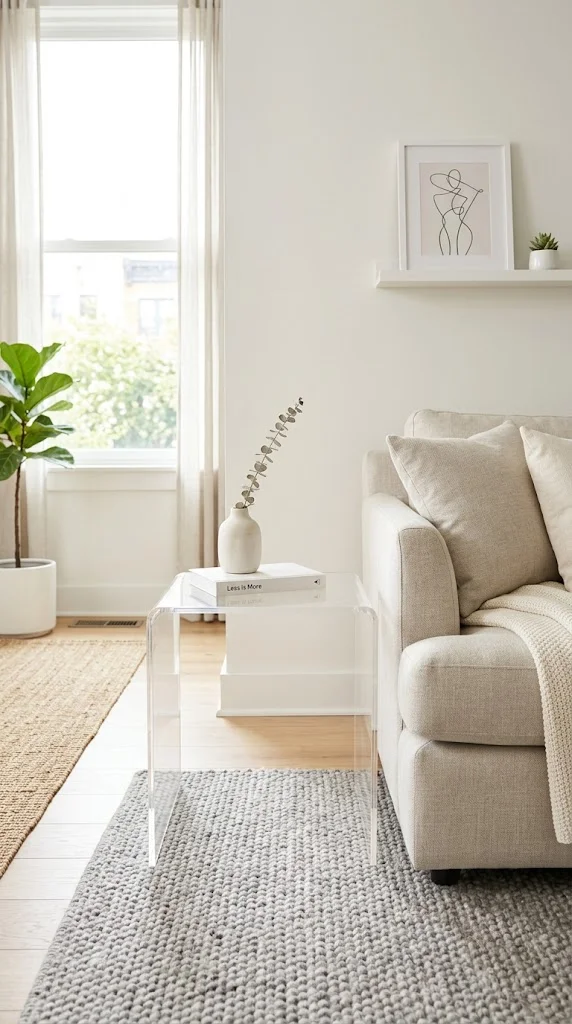
A transparent acrylic or glass table adds functional surface area without adding visual bulk, which makes it one of the better choices for genuinely small living rooms where every piece of furniture affects how open the room feels.
I’d avoid this material choice in households with young kids or pets specifically, since acrylic scratches more easily and glass carries obvious breakage risk that other materials don’t.
Best for: small apartments or rooms where visual openness matters more than material texture. Budget tier: low-to-mid ($60-200.)
9. Woven or Rattan Table
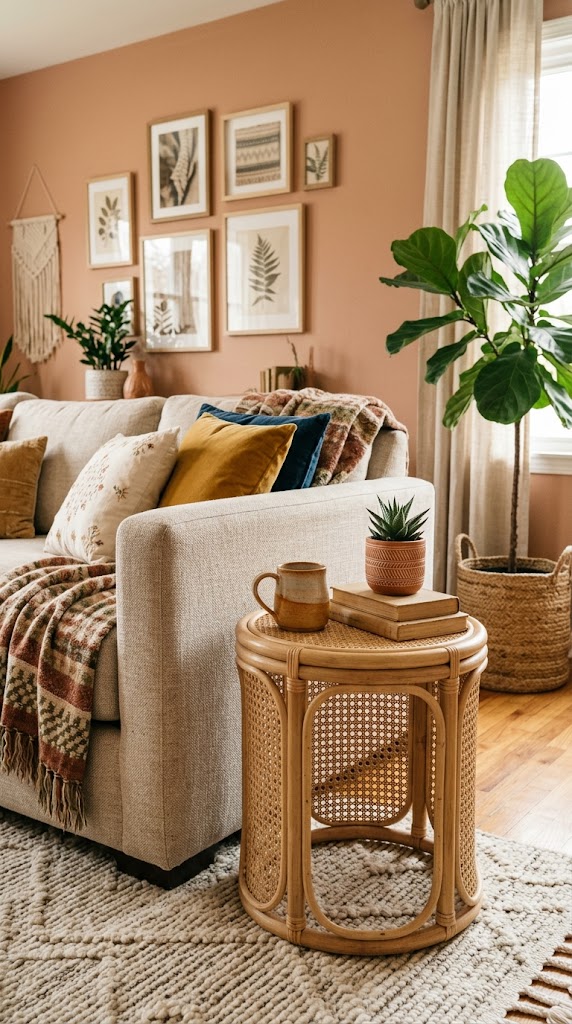
Natural woven materials — rattan, cane, or wicker-style construction — bring texture and an organic, lighter visual weight than solid wood or stone, and work especially well in boho, coastal, or Scandinavian-styled rooms.
I’d check the construction quality carefully before buying, since woven furniture varies significantly in durability — tightly woven, reinforced pieces hold up far better over time than loosely assembled budget versions.
Best for: boho, coastal, or organic modern living rooms. Budget tier: low-to-mid ($60-180.)
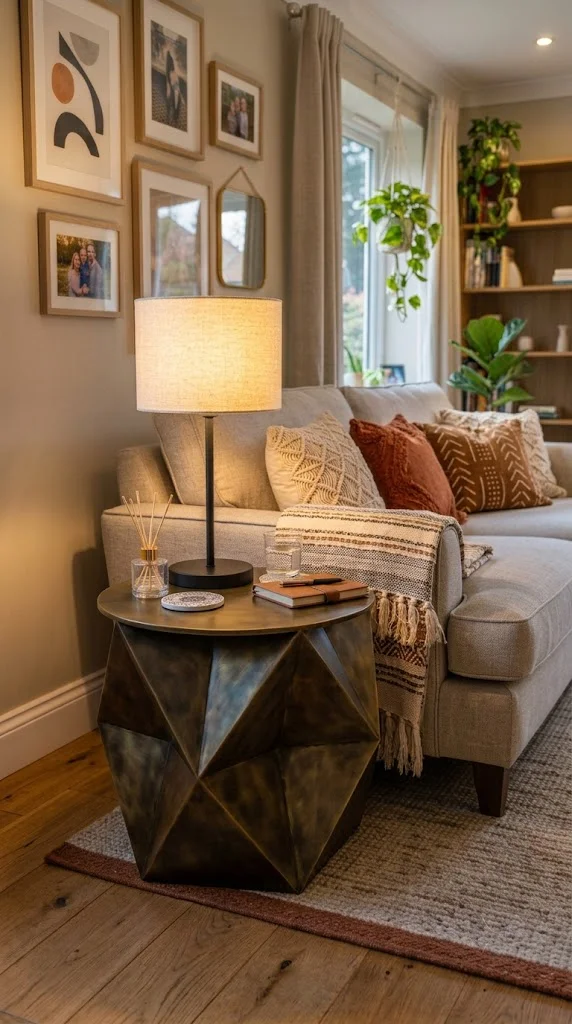
10. Sculptural Statement Table
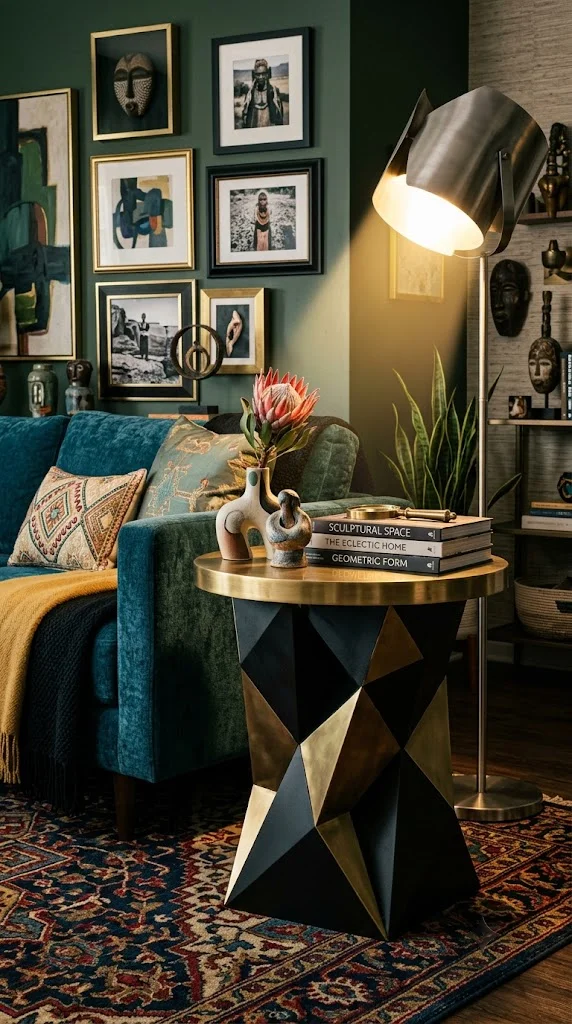
A side table with a bold, artistic base — geometric metal, a sculptural curved form, or an unexpected material like concrete — functions as a design focal point in its own right, not just a functional surface.
I’d use this type sparingly — one sculptural piece per seating area reads as intentional, while multiple statement tables in the same room start to compete with each other rather than complementing the space.
Best for: eclectic or maximalist living rooms wanting a genuine focal point. Budget tier: mid-to-high ($150-400+, depending on material and craftsmanship.)
How to Style a Side Table Once You’ve Chosen One
I’d always start with a decorative tray to visually contain smaller items — coasters, remotes, candles — rather than letting them sit loose on the surface, which reads as cluttered even on a nice table.
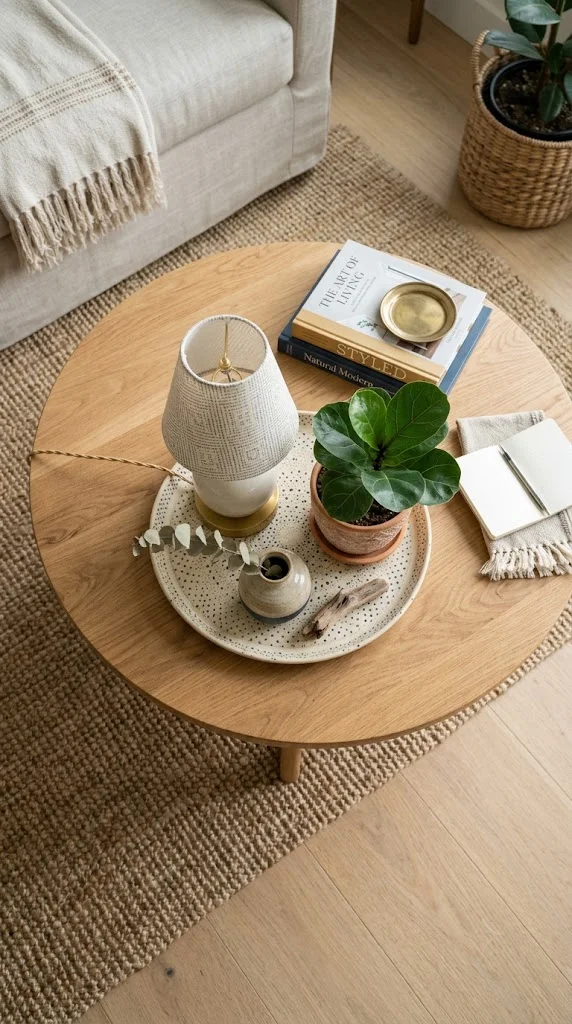
From there, apply the same rule of three used in shelf styling: group 2-3 items of varying height (a lamp, a low bowl, a small plant) rather than a single centered object or an uneven scatter of many small pieces. A lamp specifically should sit proportional to the table — avoid an oversized shade on a small table, or a delicate small lamp on a chunky, substantial base.
My Professional Guide to Choosing the Right Side Table
I always measure the actual gap next to my seating before considering style at all — the 18-inch clearance rule matters more for daily comfort than any material or design choice, and a beautiful table that crowds your legroom will bother you every single day you use the room.
From there, I think about function first: do you need drink space only, or genuine storage? A slim acrylic table looks great but won’t solve a household’s remote-and-charger clutter problem the way a small drawer table would.
Finally, I’d let material do the work of tying the table to the rest of the room — matching or intentionally contrasting with your sofa’s material (a marble table against velvet, a wood table against leather) does more to make the piece feel chosen rather than random than the table’s individual style alone.
Conclusion
A side table is a small piece of furniture with an outsized effect on daily comfort and how finished a living room feels. Start with the core sizing rule — armrest-height, 18 inches of clearance — then choose the type and material that matches your storage needs and room’s style. Get the proportions right first, and the aesthetic choices become far easier to get right too.
Frequently Asked Questions
How tall should a living room side table be?
Roughly 22-30 inches, aiming to sit level with or slightly below your sofa or chair armrest for comfortable reach.
How much space should be between a side table and the sofa?
About 18 inches, enough for comfortable legroom without the table feeling disconnected from the seating.
What’s the best material for a small living room side table?
Acrylic or glass tables add functional surface area without visual bulk, making them a strong choice when floor space and openness matter most.
Can I mix different side table styles in the same room?
Yes, as long as materials or finishes share some connection (matching metal tones, a similar wood family) — full mismatches without any common thread tend to read as accidental rather than intentionally eclectic.
Related Posts
- 25 Small Apartment Living Room Ideas 2026
- 25 Small Bedroom Ideas 2026
- 25 Small Kitchen Ideas 2026
- 25 Small Bathroom Ideas 2026
Follow us on Pinterest for more budget-friendly small space inspiration!