12 Front Room Designs: Complete Style Directions for Any Home
I’ve noticed that picking individual decor pieces is much easier once you’ve settled on an overall design direction first — trying to choose a rug, then a sofa, then art, without a unifying style in mind is how front rooms end up feeling disjointed. Below are 12 complete front room design styles, each with the materials, colors, and furniture direction that define the look, so you can choose one cohesive direction rather than assembling pieces that don’t quite agree with each other.
1. Traditional Formal Front Room
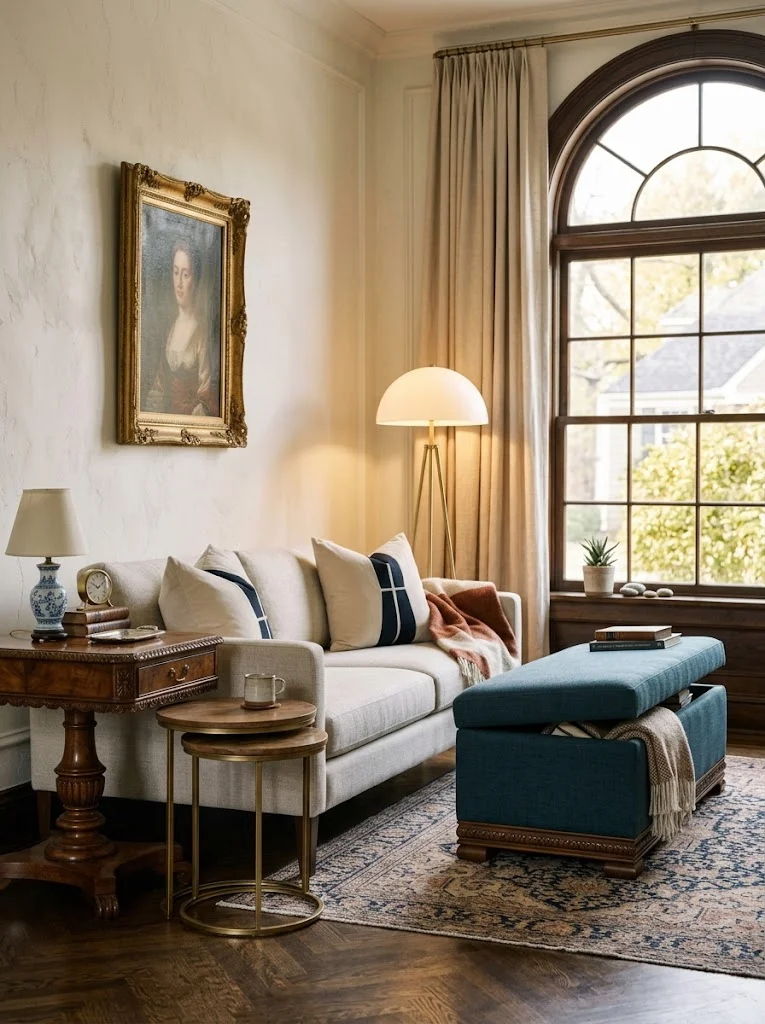
This style leans into symmetry, matched furniture pairs, and classic materials — think a pair of upholstered wingback chairs flanking a fireplace, rich wood furniture, and a restrained color palette (cream, navy, burgundy) that reads as polished rather than casual.
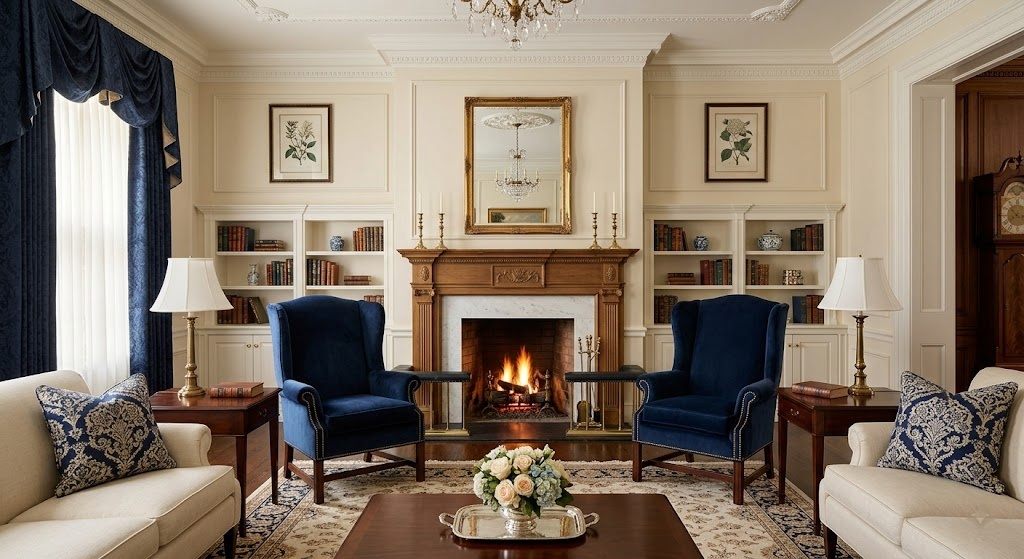
I’d prioritize genuine architectural detail here if your home has it (crown molding, a fireplace mantel), since traditional design depends on those details reading as intentional rather than an afterthought.
Best for: period or traditional-style homes, guest-facing formal front rooms. Budget tier: mid-to-high, given the quality furniture this style depends on.
2. Modern Minimalist Front Room
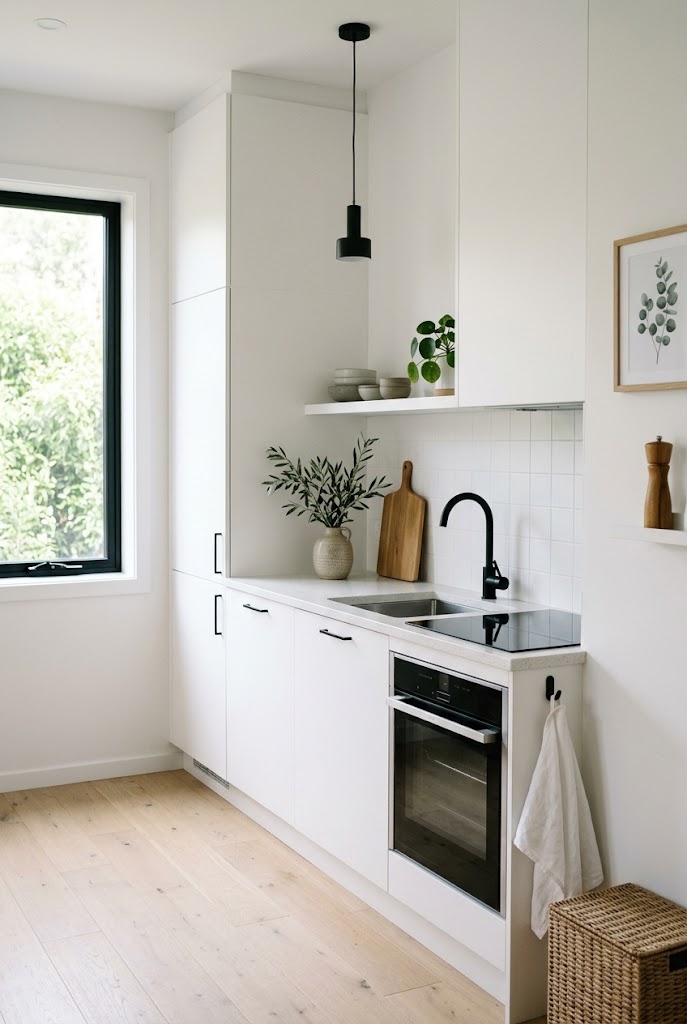
Clean lines, a neutral palette (white, gray, black), and deliberately limited furniture define this direction — every piece earns its place, and negative space is treated as a design feature rather than something to fill.
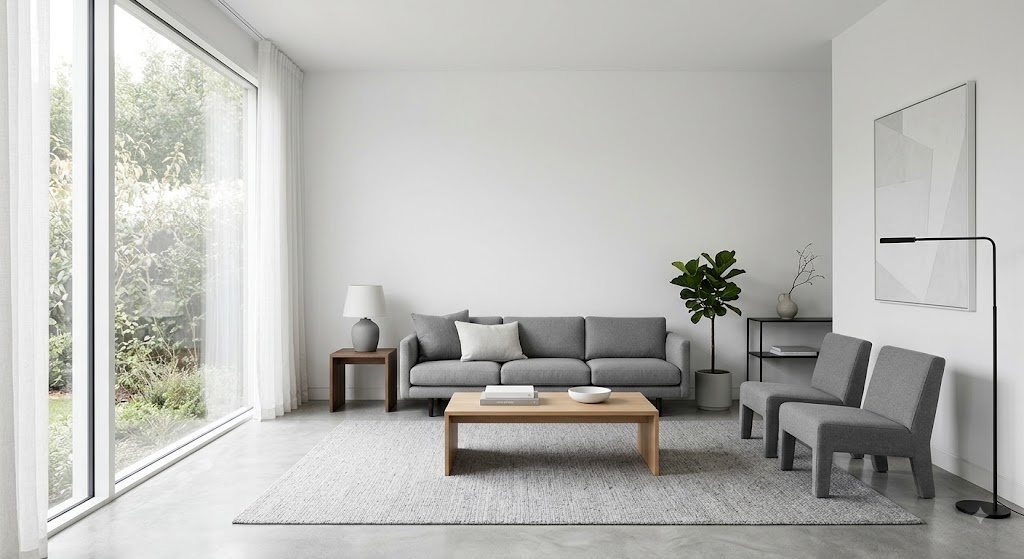
I’d choose furniture with simple, unornamented silhouettes specifically, and resist the urge to add decorative objects purely to fill visual gaps, since restraint is the whole point of this style.
Best for: contemporary homes, front rooms wanting a calm, uncluttered first impression. Budget tier: mid, since fewer pieces means the budget goes further per item.
3. Scandinavian-Inspired Front Room
Light wood tones, soft neutrals, and functional, unfussy furniture create a bright, airy feel well suited to front rooms with good natural light, often layered with natural textures (wool, linen, rattan) for warmth.
I’d keep the color palette tight — whites, light grays, pale wood — and introduce warmth through texture rather than color, which is the defining trait separating this from a purely minimalist approach.
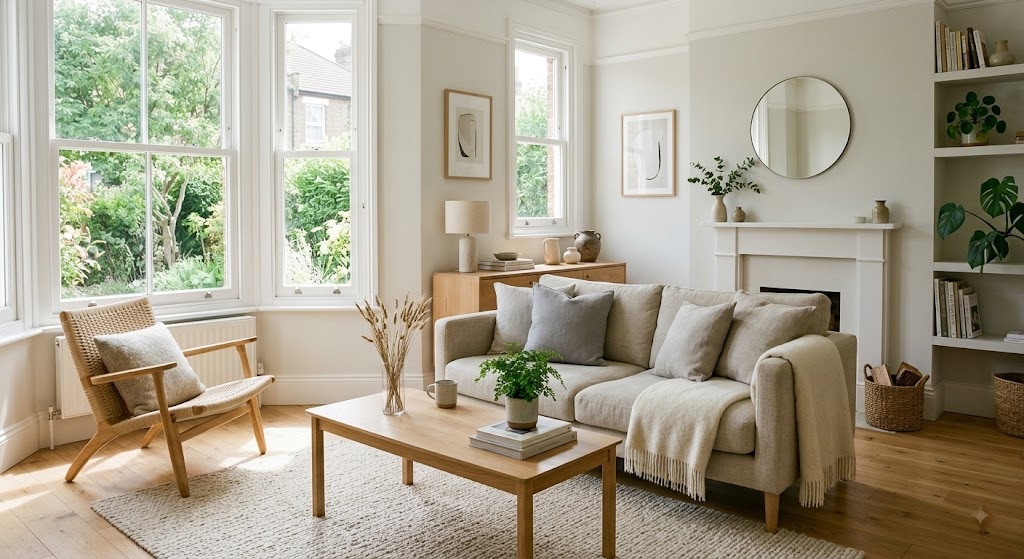
Best for: front rooms with strong natural light, homes wanting a cozy-but-uncluttered feel. Budget tier: low-to-mid, since this style pairs well with simpler, less ornate furniture.
4. Traditional English Front Room
Deep, saturated colors, patterned wallpaper, layered textiles, and a mix of antique and vintage furniture define this cozy, maximalist-leaning direction — a front room styled this way feels collected over time rather than newly furnished all at once.
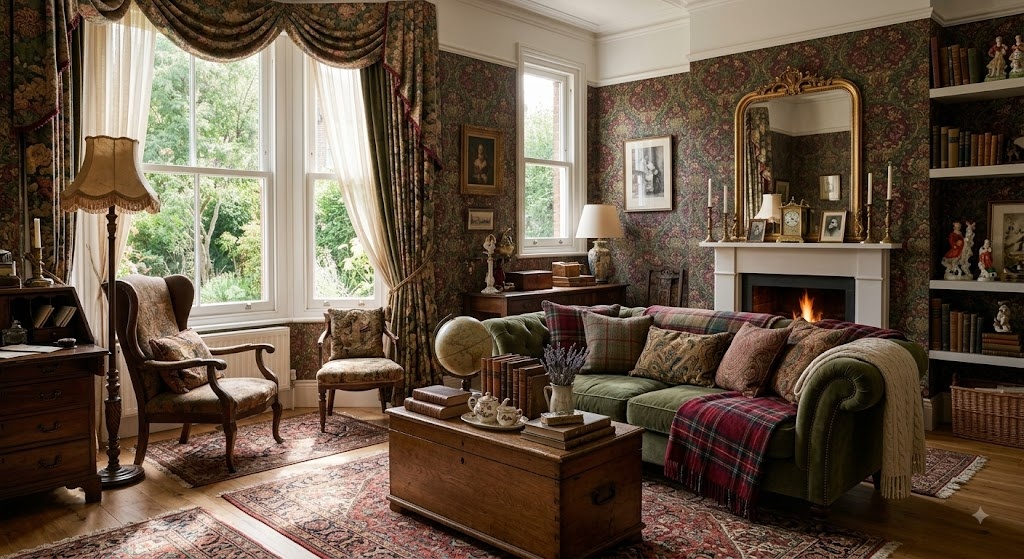
I’d source at least one or two genuinely vintage or antique pieces for authenticity, since reproduction furniture alone tends to read as decorative rather than genuinely characterful in this style.
Best for: period homes, front rooms wanting warmth and personality over restraint. Budget tier: varies widely — secondhand sourcing keeps this affordable, new reproduction pieces push it higher.
5. Industrial Front Room
Exposed or exposed-look materials — brick, black metal, raw wood — paired with leather furniture and minimal ornamentation create an urban, loft-inspired feel, well suited to converted or open-plan homes with existing architectural character.
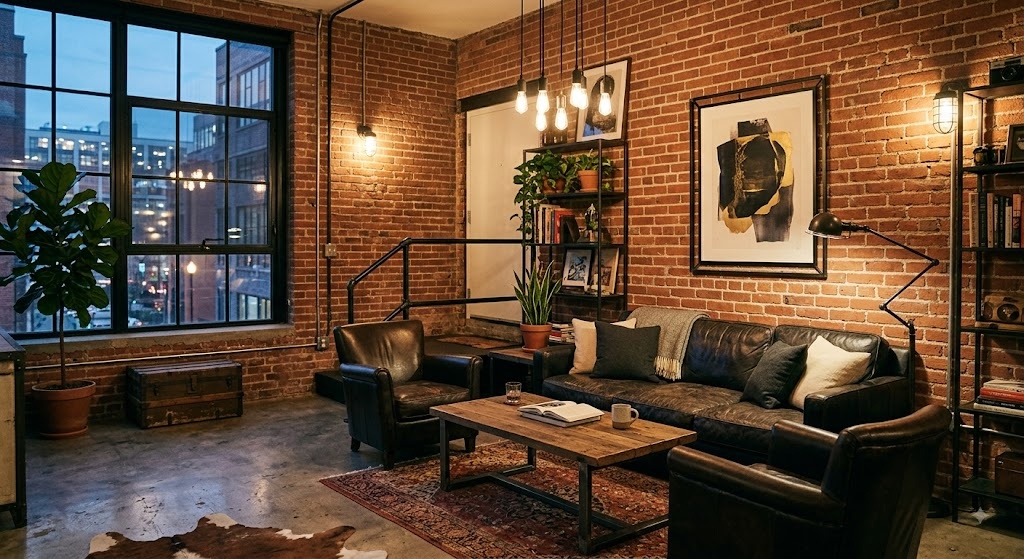
I’d lean into any genuine existing industrial features (exposed brick, visible ductwork) rather than trying to fully replicate the look in a home without them, since faux industrial detailing can read as less convincing than working with what’s already there.
Best for: converted lofts, open-plan modern homes. Budget tier: mid, with leather furniture and metal fixtures as the main cost drivers.
6. Coastal Front Room
Soft blues, sandy neutrals, and natural textures (rattan, jute, linen) create a relaxed, breezy feel that works well regardless of actual proximity to a coastline, especially in front rooms with good natural light.
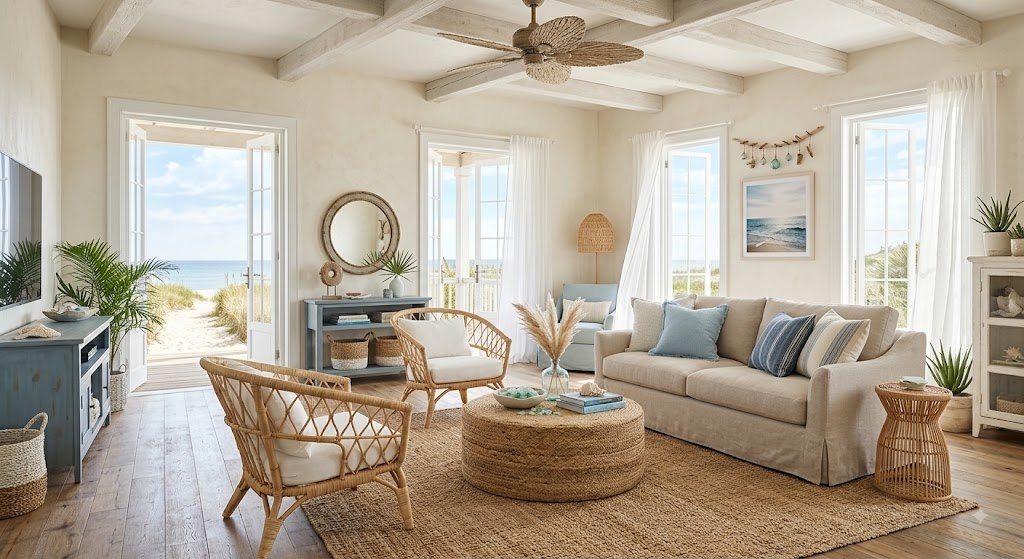
I’d keep pattern subtle (a woven texture rather than a literal nautical print) for a more sophisticated take on this style, since overly literal coastal decor can tip into theme-park territory rather than genuine design.
Best for: front rooms with natural light, homes wanting a light, relaxed formal space. Budget tier: low-to-mid.
7. Bohemian Front Room
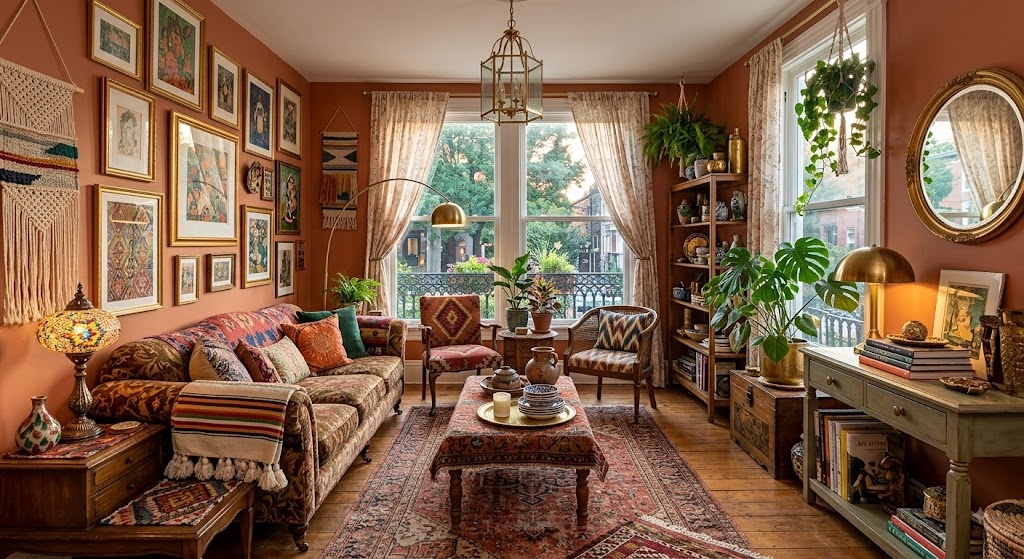
Layered patterns, mixed textures, warm earthy tones, and an eclectic mix of furniture and personal collected objects define this maximalist, personality-driven direction, well suited to front rooms wanting genuine visual richness.
I’d apply some restraint even within a boho direction — a color family (warm terracottas, deep golds, greens) to tie the eclectic mix together, rather than combining every pattern and color without any connecting thread.
Best for: front rooms wanting personality and warmth, eclectic homes. Budget tier: low-to-mid, since this style suits thrifted and collected pieces well.
8. Transitional Front Room
Blending traditional furniture shapes with more modern, simplified finishes and a neutral palette, transitional design splits the difference between formal and contemporary — comfortable for a front room serving both daily use and guest-facing formality.
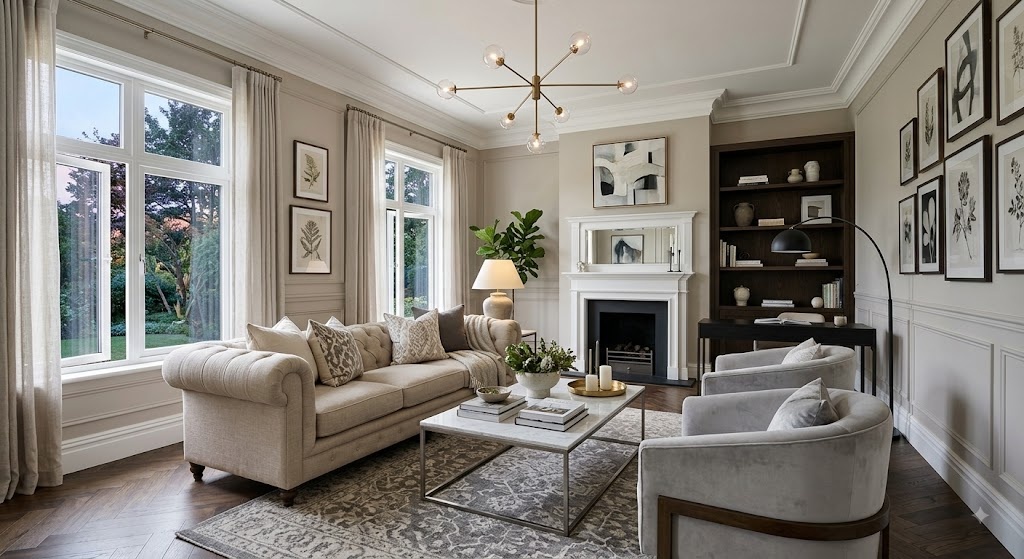
I’d choose one or two traditional-shaped pieces (a classic-silhouette sofa, a traditional coffee table) paired with more modern lighting and accessories, since balancing both eras is the entire point of this style.
Best for: households wanting a front room that works for both daily life and guests. Budget tier: mid.
9. Farmhouse Front Room
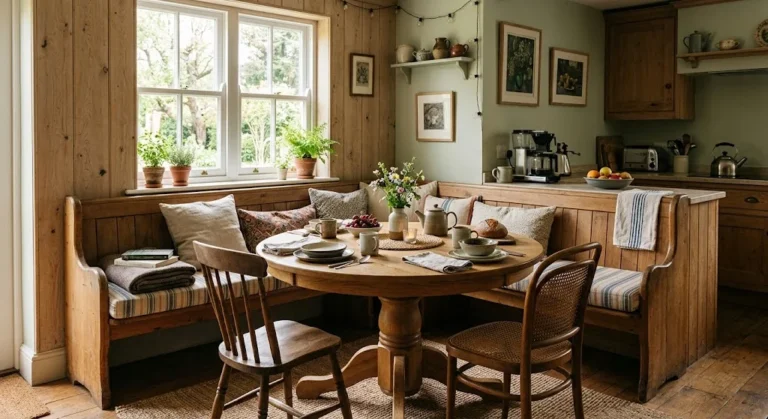
Warm wood tones, white or cream walls, vintage-inspired accents, and comfortable, slightly worn-in furniture create a welcoming, lived-in feel that suits both rural and suburban homes.
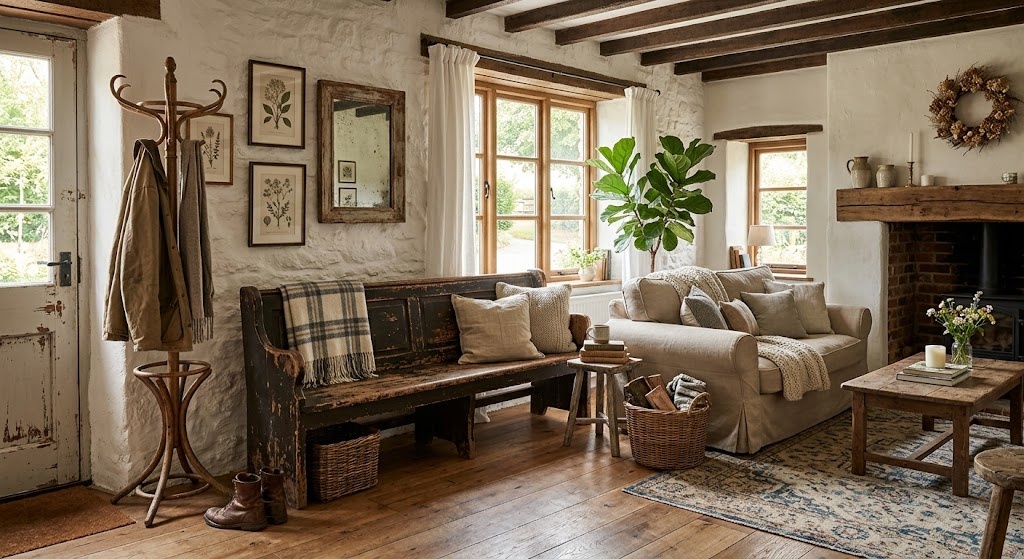
I’d mix in at least one genuinely aged or reclaimed piece (a vintage bench, a distressed wood table) for authenticity, since a fully new furniture set in this style can read as more “farmhouse-themed” than genuinely farmhouse.
Best for: traditional or rural-style homes, front rooms wanting warmth over formality. Budget tier: low-to-mid.
10. Art Deco-Inspired Front Room
Bold geometric patterns, rich jewel tones, glossy or lacquered finishes, and glamorous metallic accents (brass, gold) create a genuinely striking, formal front room well suited to households wanting real drama.
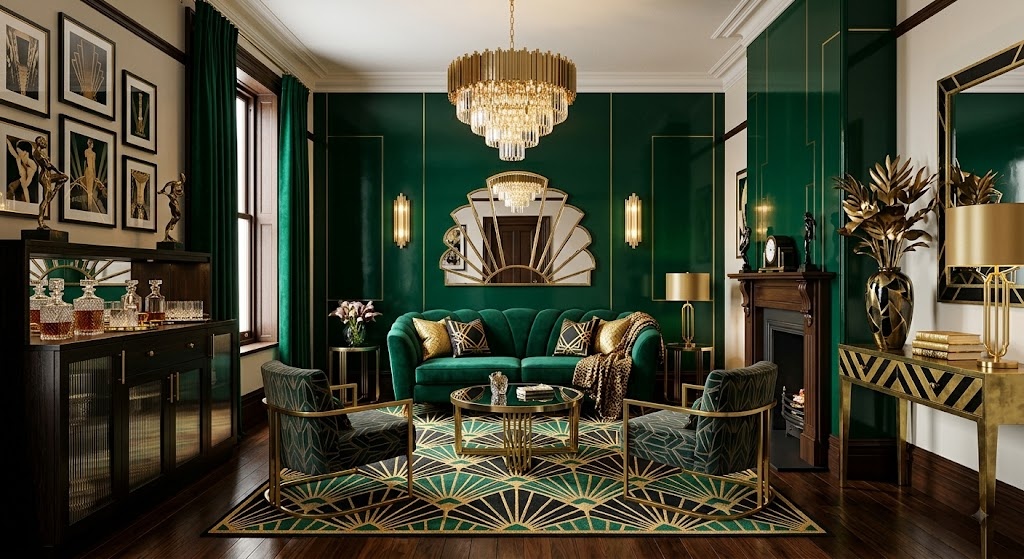
I’d choose one strong geometric element (a statement rug, a patterned wallpaper) as the anchor, then keep surrounding furniture simpler, since this style’s boldness works best with one clear focal point rather than pattern layered on pattern.
Best for: formal front rooms wanting genuine glamour. Budget tier: mid-to-high, given the material and finish quality this style depends on.
11. Japandi Front Room
Combining Japanese minimalism with Scandinavian warmth, this style pairs clean lines and uncluttered space with natural materials and a muted, earthy palette — calmer than pure minimalism, less textural than full Scandinavian design.
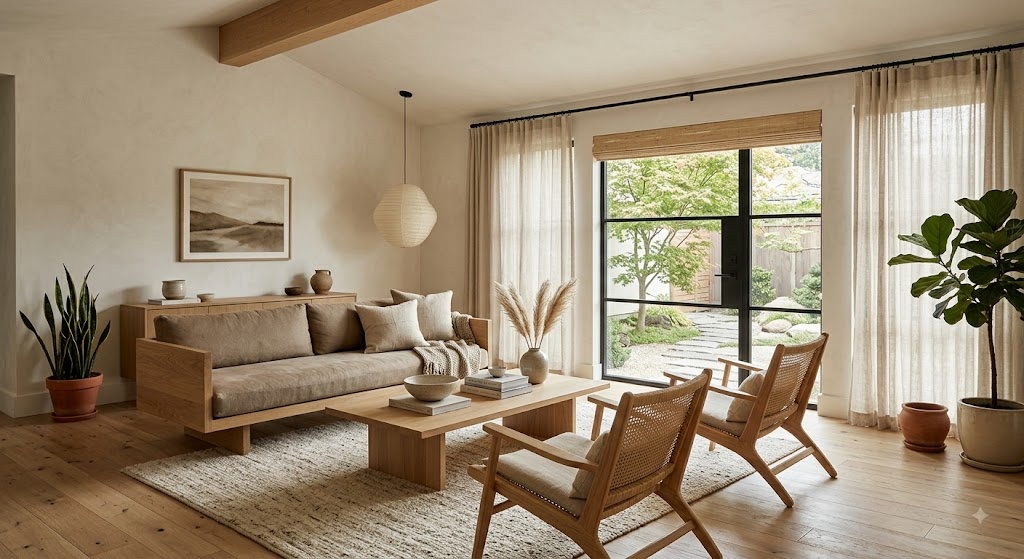
I’d choose furniture with simple, low-profile silhouettes and natural wood or ceramic finishes specifically, keeping any decorative objects to a genuinely curated few rather than a full display.
Best for: front rooms wanting calm sophistication without full minimalist starkness. Budget tier: mid.
12. Contemporary Eclectic Front Room
Rather than committing to one historical style, this direction mixes modern furniture with a few statement vintage or unique pieces, tied together through a consistent color palette or material thread rather than a single defined era.
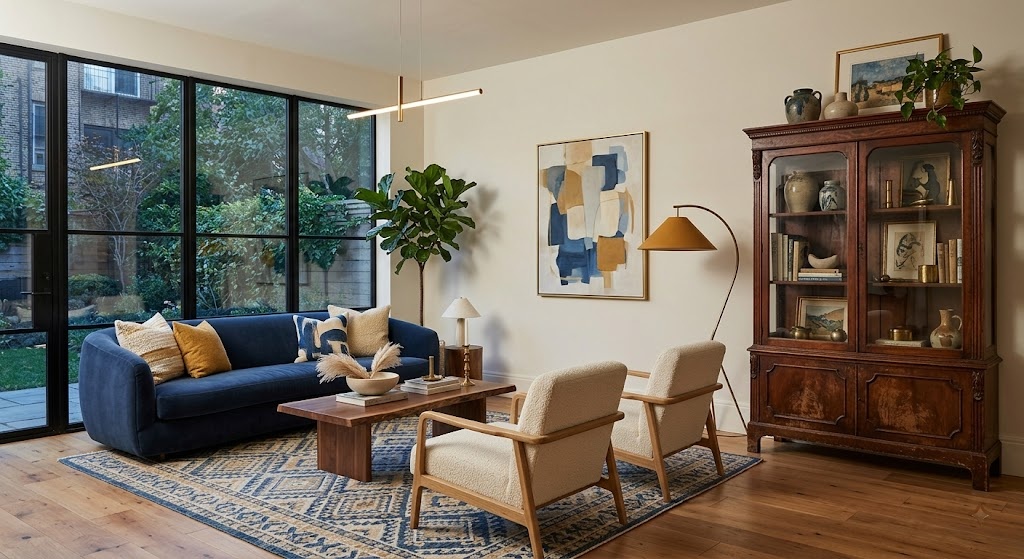
I’d choose this specifically if you already own pieces from different styles and don’t want to start over — a consistent color story (rather than matched furniture) is what makes eclectic mixing read as intentional rather than accidental.
Best for: households building a front room gradually, or blending existing furniture with new pieces. Budget tier: varies widely depending on existing pieces.
My Professional Guide to Choosing a Front Room Design Direction
I always start by looking at what’s already fixed in the room — existing architectural details, flooring, or furniture you’re not replacing — since the best-fitting style works with these elements rather than against them. A front room with existing crown molding and a fireplace leans naturally toward traditional or transitional design, while a converted loft with exposed brick suits industrial styling far more easily.
From there, I think about the room’s actual function again, the same consideration that matters for individual front room decor choices — a style like Art Deco or full traditional formal suits a guest-facing room better than a household’s primary everyday living space, which often does better with more forgiving, comfortable styles like farmhouse or transitional.
Finally, I’d commit to the chosen style’s core defining elements (the color palette, the material story) before shopping for individual pieces, since this single decision makes every subsequent furniture and decor choice significantly easier and more cohesive.
Conclusion
Choosing a complete front room design direction before shopping for individual pieces prevents the disjointed feeling that comes from selecting items one at a time without a unifying plan. Match your chosen style to the room’s existing architecture and its real function in your household, commit to that style’s defining colors and materials, and the individual decor decisions that follow will fall into place far more easily.
Frequently Asked Questions
What front room design style works best for a small space?
Scandinavian, Japandi, and modern minimalist styles all tend to suit smaller front rooms well, since their restrained color palettes and simple furniture silhouettes avoid visually crowding a limited footprint.
How do I choose a front room style if I already own furniture in different styles?
A contemporary eclectic or transitional approach works well here, using a consistent color palette or material thread to tie existing mixed pieces together rather than starting over completely.
What’s the difference between transitional and traditional front room design?
Traditional design commits fully to classic furniture shapes and formal detailing, while transitional design blends those same classic shapes with more modern, simplified finishes for a look that works for both daily use and formal occasions.
Which front room style is most budget-friendly?
Bohemian and farmhouse styles both suit thrifted, secondhand, and collected pieces particularly well, making them generally more affordable to build out than styles like Art Deco or full traditional formal, which depend more on new, higher-quality furniture and finishes.
Related Posts
- 20 Beautiful Wall Decor Living Room Ideas
- Shelf Decor Ideas
- 25 Small Apartment Living Room Ideas 2026