
12 Home Office Decor Ideas for a Productive Workspace
Intro
A home office should help you focus, not fight you. The right desk, good light, and smart storage turn even a small corner into a place where work feels easier. You do not need a separate room or a big budget to get it right. These 12 home office decor ideas cover desks, chairs, lighting, color, plants, and storage, plus small space setups and real costs, so you can build a workspace that looks beautiful and helps you get things done.
1. The Right Desk for Your Work
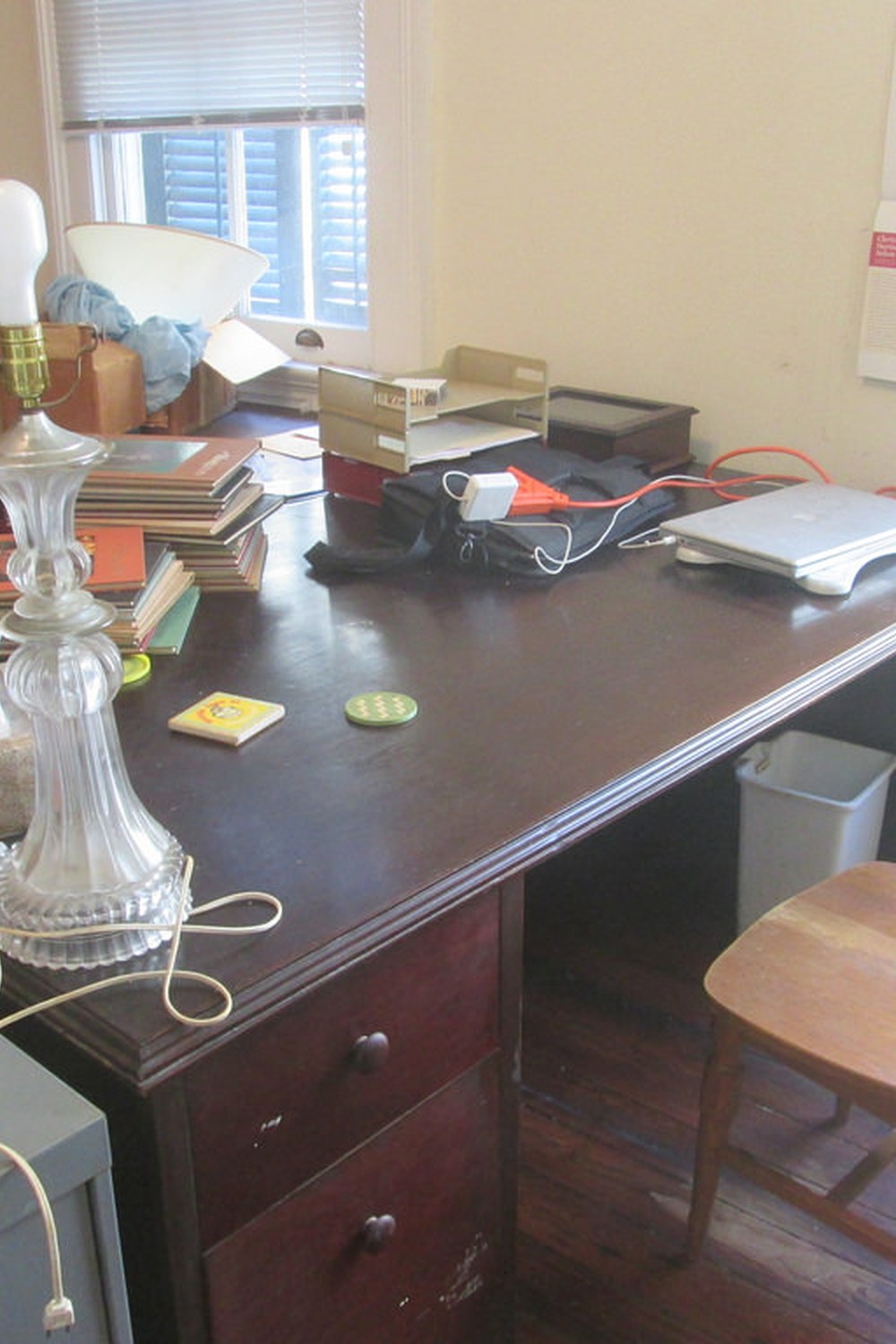
Start with a desk that fits your work and your room. A 48 inch desk suits most laptops and monitors, while a corner desk saves space in small rooms. Sit stand desks let you change position during the day, which helps energy and focus. Place the desk near a window for natural light, but angle it so the sun never shines directly on your screen. For space saving pieces, see these furniture ideas for small bedrooms. Keep only daily tools on the desk, and store the rest nearby.
2. An Ergonomic Chair That Looks Good
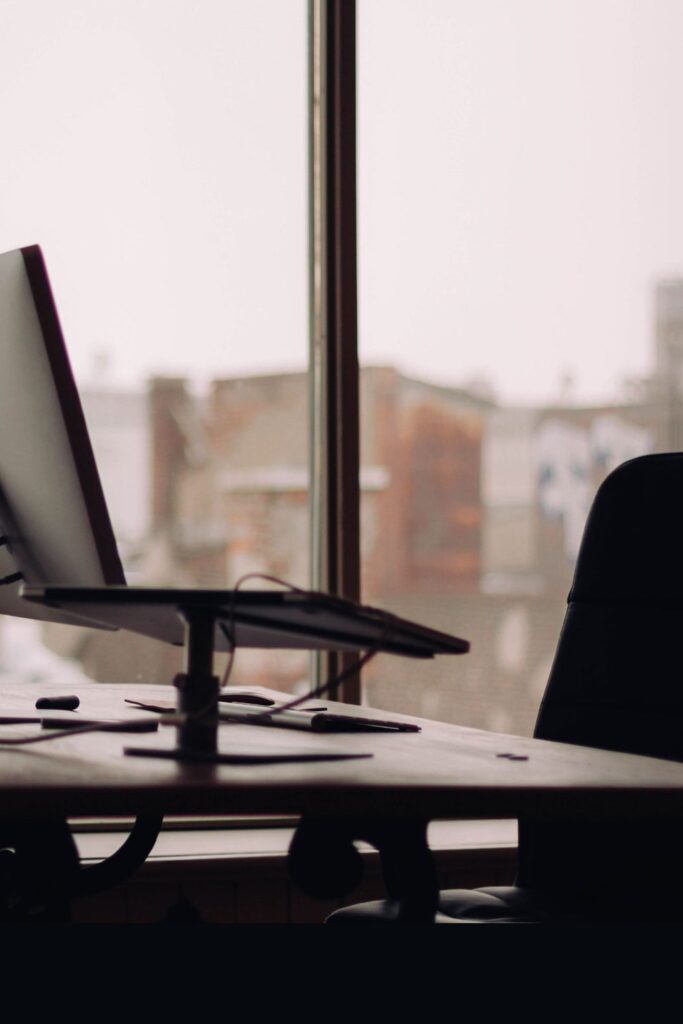
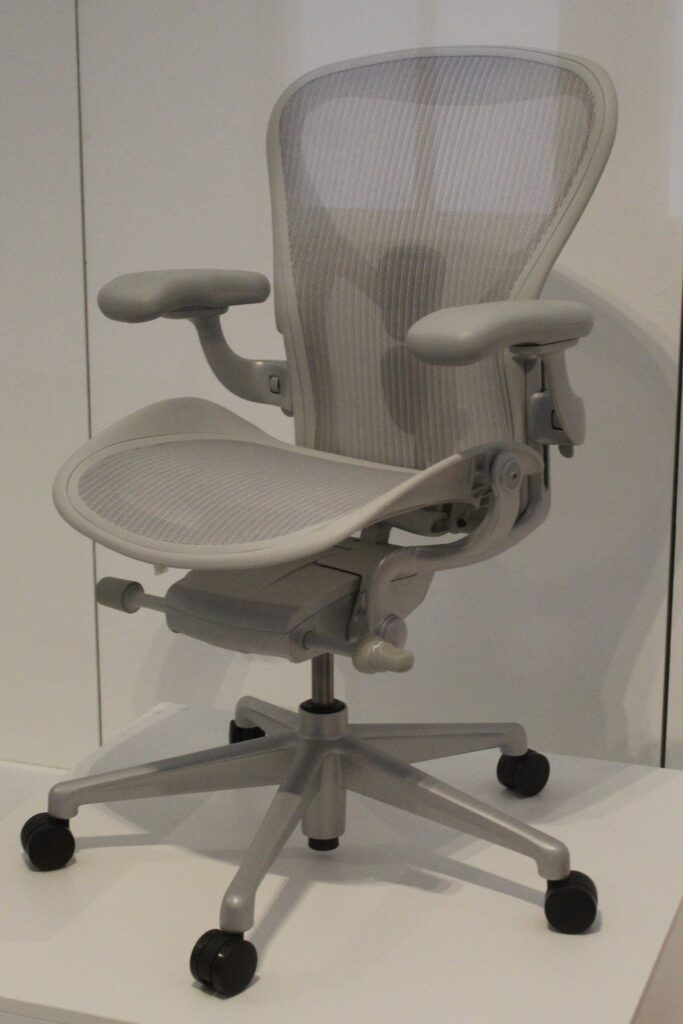
You sit for hours, so your chair matters more than almost anything else in the room. Choose a chair with lumbar support, adjustable height, and breathable fabric, in a color that matches your decor. A good chair prevents back pain and keeps you comfortable through long workdays. If a full office chair feels too bulky, try a cushioned dining chair with a lumbar pillow. Test the height so your feet rest flat on the floor and your elbows sit at desk level.
3. Lighting That Prevents Eye Strain
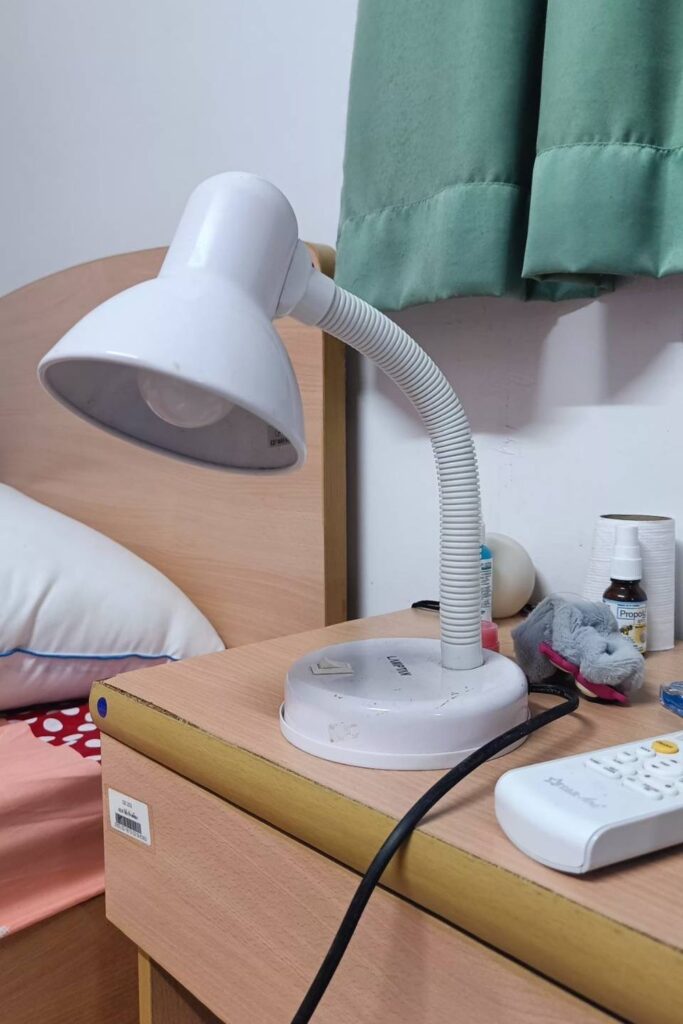
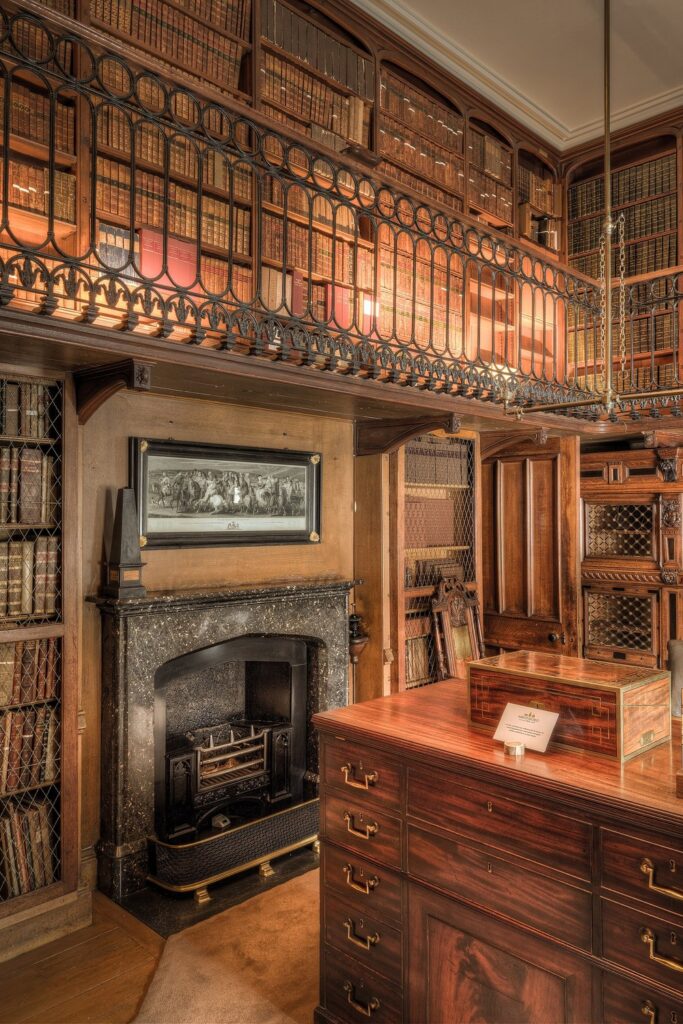
Good lighting protects your eyes and your focus. Use natural daylight as the main source, then add a task lamp for cloudy days and evenings. Place the lamp on the opposite side of your writing hand, so your hand never casts a shadow on your work. Avoid harsh overhead lights and screen glare by facing your monitor away from windows. Warm white bulbs feel cozy, while daylight bulbs suit detailed work. A well lit desk makes afternoon work feel much easier.
4. Shelves and Wall Storage
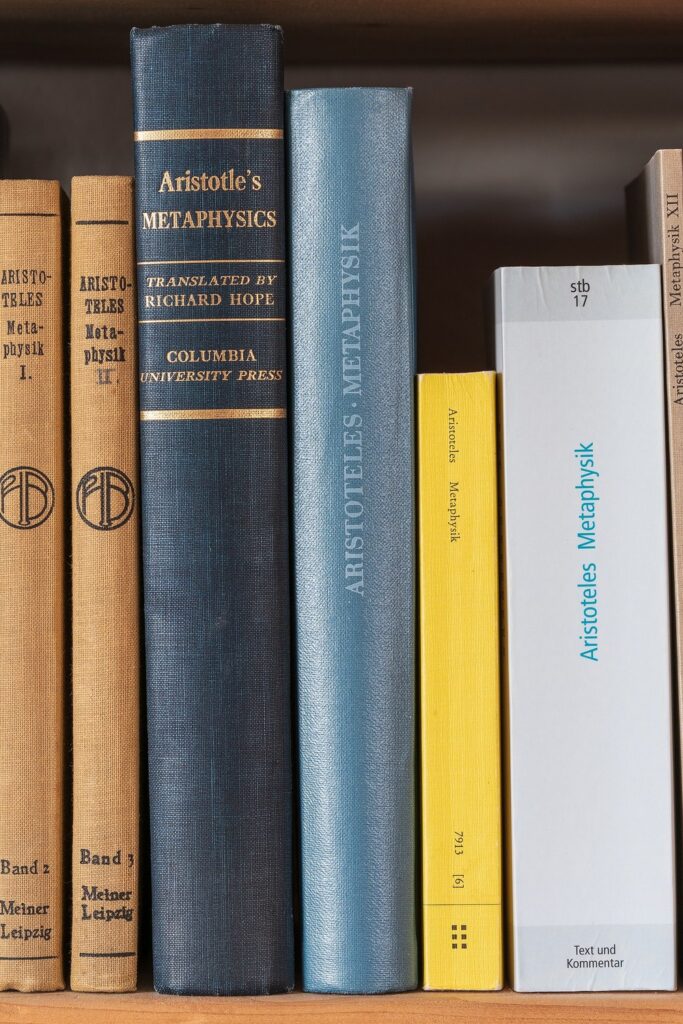
Walls are free storage in a home office. Add floating shelves above the desk for books, plants, and supplies, keeping daily items within arm’s reach. Use matching baskets or boxes on shelves to hide clutter, and label them so you find things fast. A pegboard above the desk holds tools, cables, and notes in plain sight. Wall storage keeps the desk clear, which helps focus, and it makes a small office feel bigger because the floor stays open.
5. A Calm Color Palette
Color affects mood more than most people realize. Soft sage, warm white, dusty blue, and light gray help focus, while one accent wall in navy or deep green adds depth without distraction. Avoid bright red and neon colors on large walls, since they tire the eyes over a long day. Paint is cheap and changes the whole room, so test a color on one wall first. For color confidence, see these living room paint ideas.
6. Plants That Help You Focus
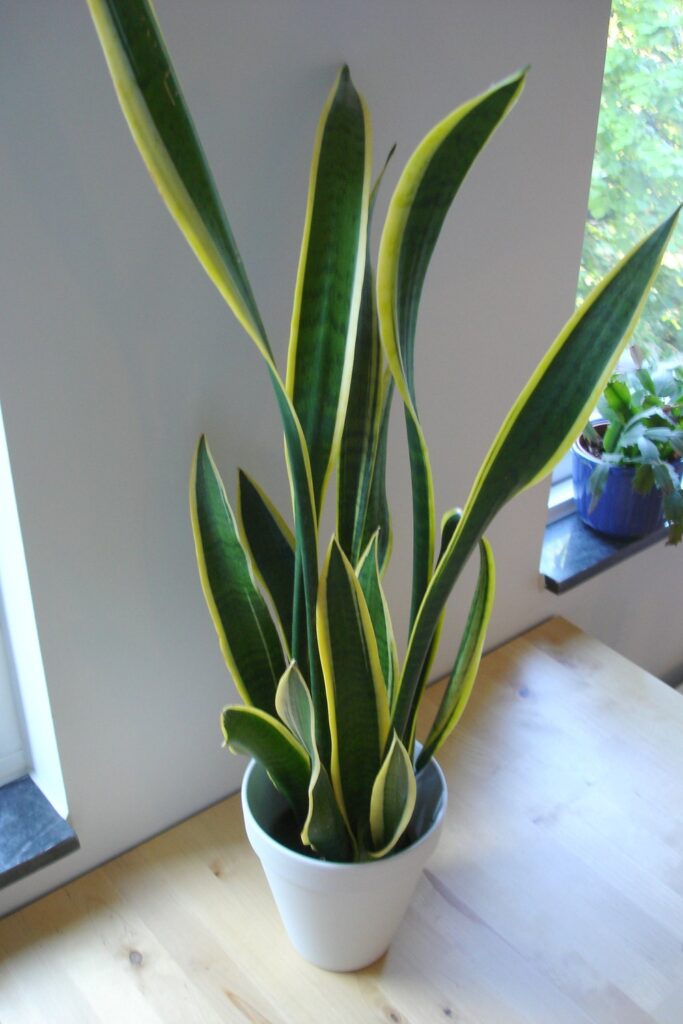
Plants make a workspace feel alive and calm. Snake plants, pothos, and ZZ plants need very little care and survive low light, which suits offices with small windows. Place one plant on the desk and one on a shelf or the floor, so greenery surrounds you without crowding your work. Plants also soften hard furniture and screens, and studies link them with better mood and focus. Water sparingly, since overwatering kills more office plants than neglect.
7. Cable Management
Cables ruin the look of a good office fast. Run cables through a tray under the desk, use clips along the desk edge, and switch to wireless keyboards and mice where you can. Label power bricks so you never unplug the wrong device. A tidy cable setup makes cleaning easier, protects cables from damage, and makes the whole office look professional on video calls. Spend thirty minutes on cables once, and the room stays tidy for months.
8. A Vision Board or Art Wall
One wall of inspiration beats a desk full of clutter. Hang a cork board, a grid panel, or two framed prints with quotes and images that motivate you. Change the board with seasons or projects, so it stays fresh. Keep art simple and positive, and avoid covering every inch of wall, since a calm wall helps focus. For handmade wall pieces, see these DIY home decor ideas. A vision board also makes a great video call background.

9. Noise and Privacy in Shared Spaces
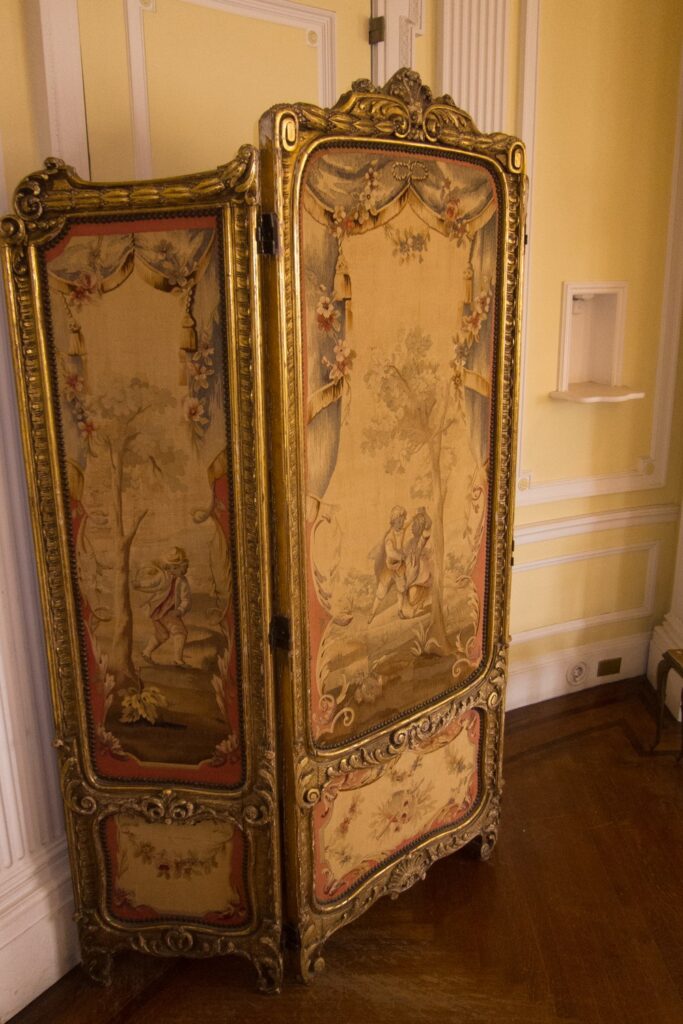
If your office shares a room, create boundaries. A thick rug under the desk zones the workspace, curtains or a folding screen block visual noise, and noise cancelling headphones handle sound. Agree on work hours with family or housemates, and use a small sign or a closed door signal for calls. Even a simple room divider changes how a shared space feels, because your brain learns that the zoned area means work time.
10. A Video Call Corner
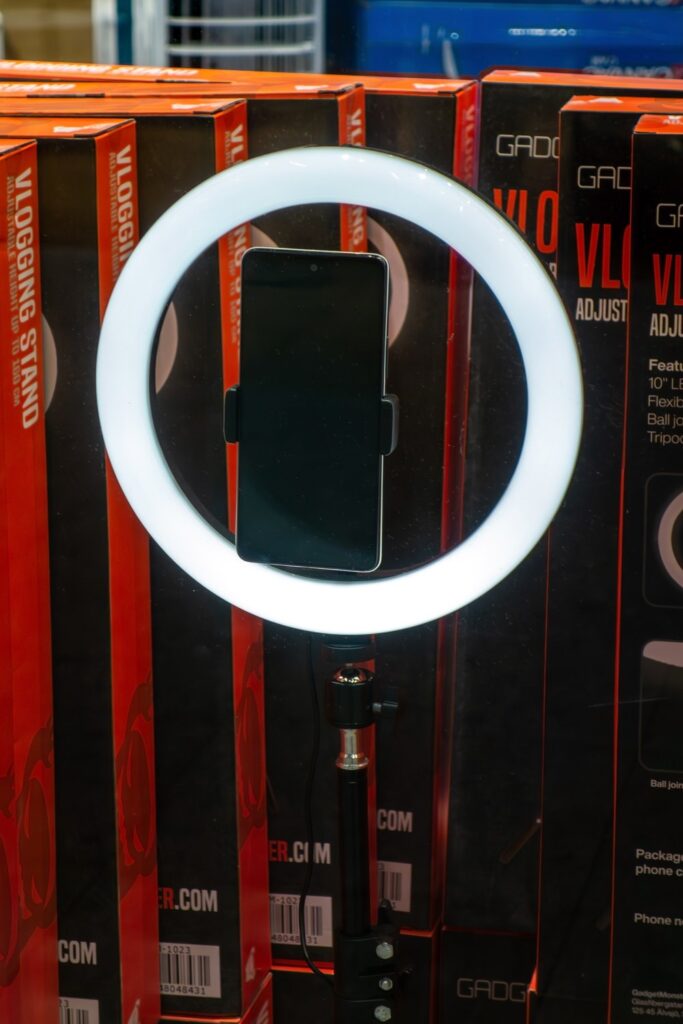
Video calls are part of work now, so design one corner for them. Face a clean wall or a shelf with plants and books, place a ring light or a lamp in front of you, and raise your laptop so the camera sits at eye level. Test the background on a call with a friend before an important meeting. A tidy call corner looks professional, hides bedroom or kitchen clutter, and makes you feel more confident on camera.
11. Storage That Hides Clutter
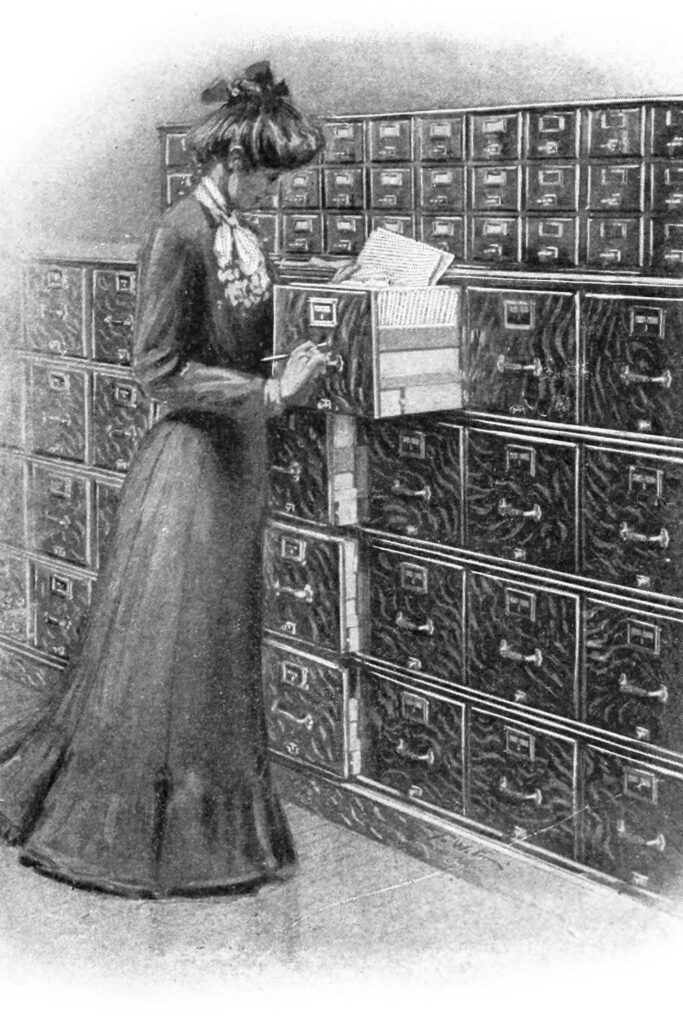
Closed storage keeps a home office calm. Use a cabinet or a credenza for files and supplies, drawer organizers for small items, and baskets for cables and chargers. Keep one drawer for daily tools and the rest for archives. Label everything, and clear the desk at the end of each day, so tomorrow starts fresh. Hidden storage is the difference between an office that looks busy and one that looks peaceful.
12. Personal Touches That Make It Yours
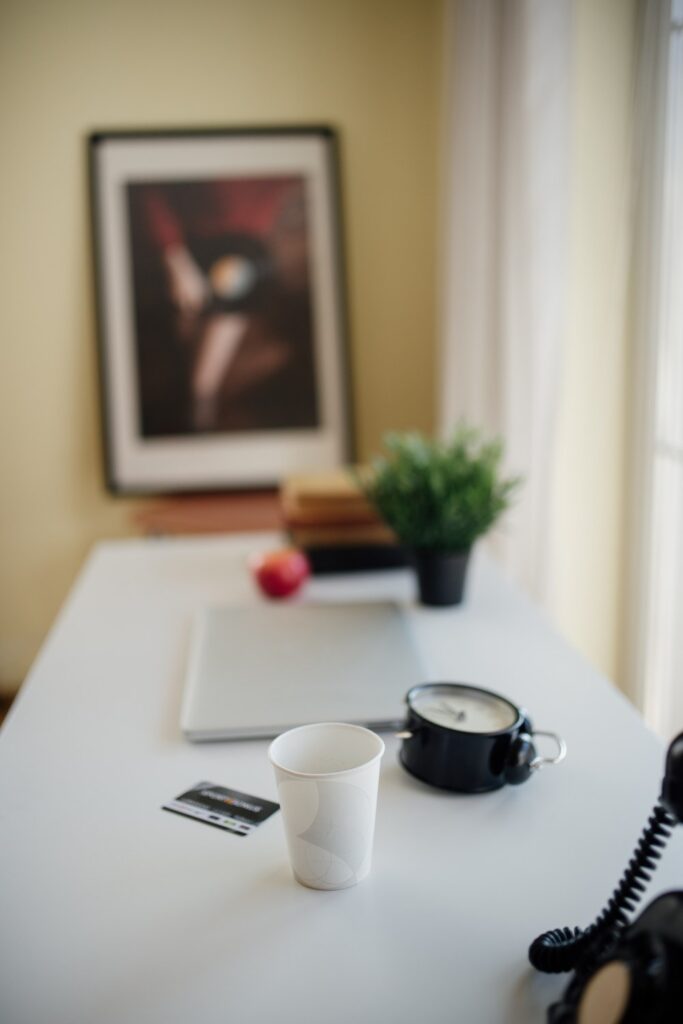
An office should feel like yours, not like a cubicle. Add a favorite mug station, a candle for focus time, a family photo, and a clock you love. Pick two or three personal pieces rather than ten, so the room stays calm. A soft throw on the chair adds comfort on cold days, and a small speaker for background music makes long tasks pleasant. Personal touches make you want to sit down and work, which is the whole point.
How to Set Up a Home Office in a Small Space
Small spaces work fine with the right plan. Use a corner desk or a wall mounted fold down desk that closes when work ends. A closet nook becomes an office with a desk board, a light, and a curtain door. In a bedroom corner, a rug and a screen zone the office without building walls. For more small space thinking, see these small kitchen setup ideas. Keep only daily tools in the zone, store the rest elsewhere, and the small office will feel bigger than it is.
Home Office Setup Cost
A home office fits almost any budget. Under 100 dollars covers a task lamp, a lumbar pillow, cable clips, and a plant. Around 300 dollars adds shelves, a good chair cushion, and wall storage. Around 1000 dollars buys a quality desk and an ergonomic chair that last for years. Start with the chair and lighting, because comfort and eyesight matter most, then add storage and decor as you can. Buy the chair first if you must choose one upgrade.
Frequently Asked Questions
What is the best desk position in a home office? Face a window or sit perpendicular to it, so you get daylight without screen glare. Avoid sitting with your back to the door if it bothers you, and keep the monitor at arm’s length with the top of the screen at eye level.
How do I make a home office in a bedroom corner? Zone the corner with a rug, a small desk, and a screen or curtain. Keep work tools in the zone only, and close the laptop or cover the desk at night, so the bedroom still feels like rest space.
What color is best for focus in a home office? Soft greens, blues, and warm neutrals help focus and calm the mind. Sage green and dusty blue are popular choices, with white trim to keep the room bright. Avoid large areas of bright red or neon color.
How do I stop back pain when working from home? Set the chair so feet rest flat and elbows sit at desk level, keep the screen at eye level, and stand or stretch every hour. A lumbar pillow and a footrest help a lot, and a sit stand desk lets you change position during the day.
Final Thoughts
A productive home office is not about size or money, it is about the right chair, good light, and a tidy desk. Start with comfort, add storage, then finish with color and plants. Your workspace should make work feel easier the moment you sit down. Pick one idea from this list today, and build your office one thoughtful piece at a time.